 English
 Español
 عربى
عربى
Home / News / Industry News / Bag Type Dust Collector for Grinding Machine: A High-Efficiency Dust Removal and Environmental Protection Solution
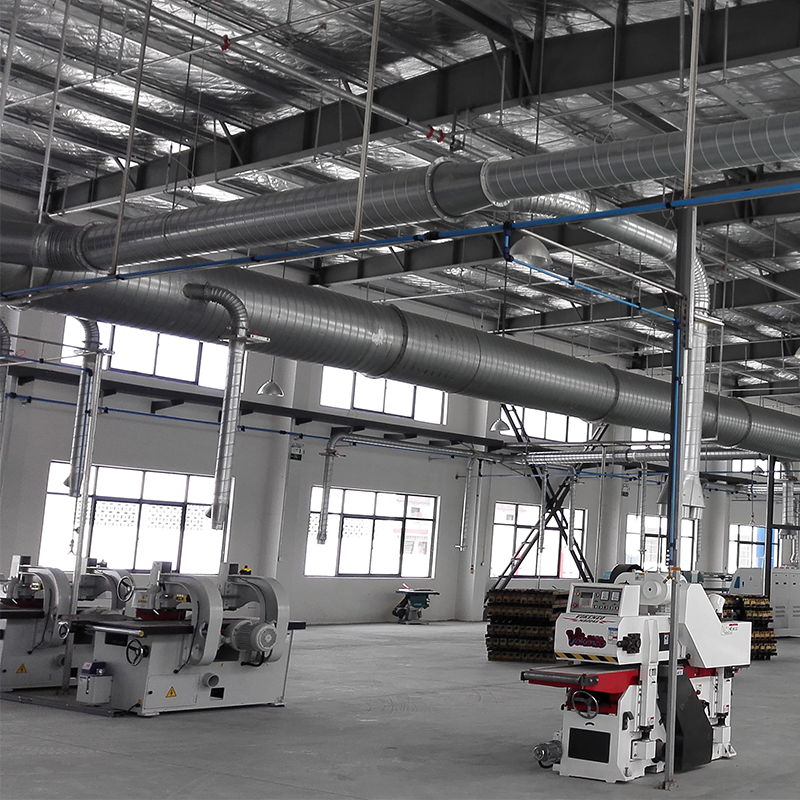
In modern industrial production, grinding machines, as a crucial link in metal processing and machinery manufacturing, generate a large amount of dust during processing. This not only affects the production environment but also potentially threatens the health of operators. To address this issue, the Bag Type Dust Collector for Grinding Machine, as a high-efficiency dust removal device, has gradually become an indispensable environmental protection equipment in the grinding machine industry.
Working Principle of Bag Filters
The core of a bag filter is air purification through filter bags. When dust is generated during grinding, this dust enters the dust collector with the airflow. Air passes through the filter bags, while the dust is trapped on the surface of the filter bags, and clean air is discharged through the exhaust system. This filtration method can effectively capture micron-sized dust, and is especially suitable for fine particles generated during grinding.
Compared to traditional cyclone dust collectors or water spray dust collectors, bag filters have higher filtration accuracy and more stable dust removal efficiency, while maintaining low resistance during equipment operation, thereby reducing energy consumption. This is one of the reasons why the grinding machine industry is increasingly adopting baghouse dust collection solutions.
Special Requirements for Dust Collection Equipment in the Grinding Machine Industry
The dust generated during grinding processes is characterized by high density, high abrasiveness, and fine particles, placing higher demands on dust collection equipment. Filter bag materials must possess excellent wear resistance and high-temperature resistance to withstand long-term continuous operation. The dust collector needs stable airflow and pressure to ensure timely dust absorption during grinding, preventing dust diffusion in the workshop environment.
The uneven particle distribution of grinding dust, and its potential presence of oily substances, poses a challenge to the anti-sticking performance of the filter bags. Therefore, modern baghouse dust collectors commonly employ composite materials or surface coating technologies in their filter bag design to improve dust collection efficiency and extend service life.
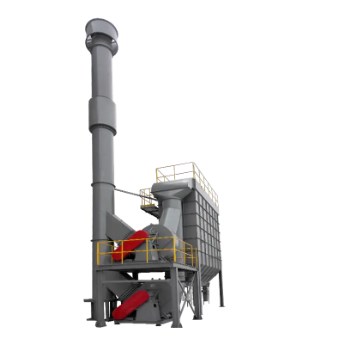
Structural Characteristics of Baghouse Dust Collectors
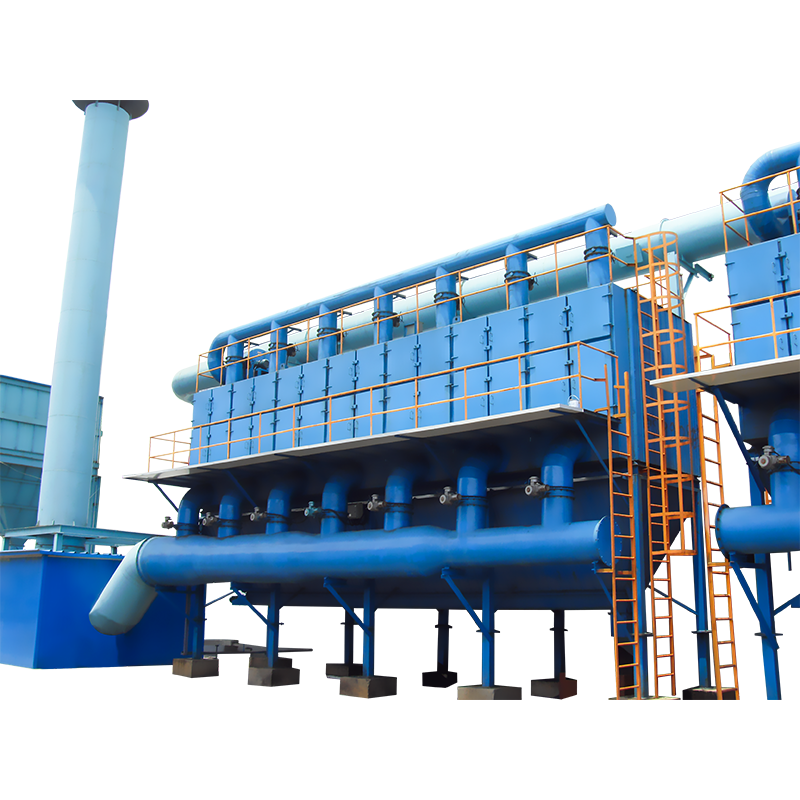
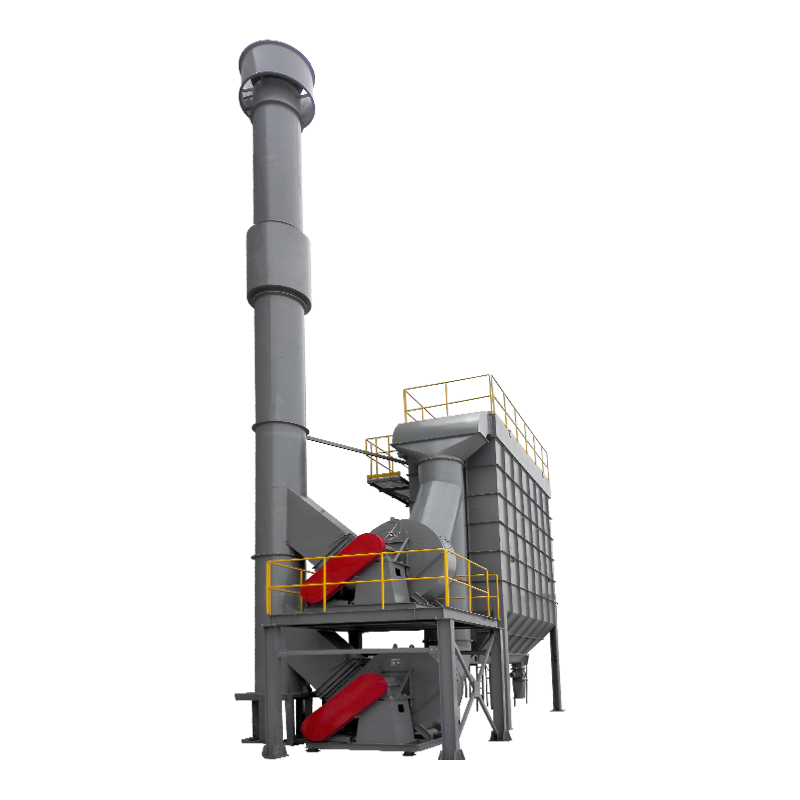
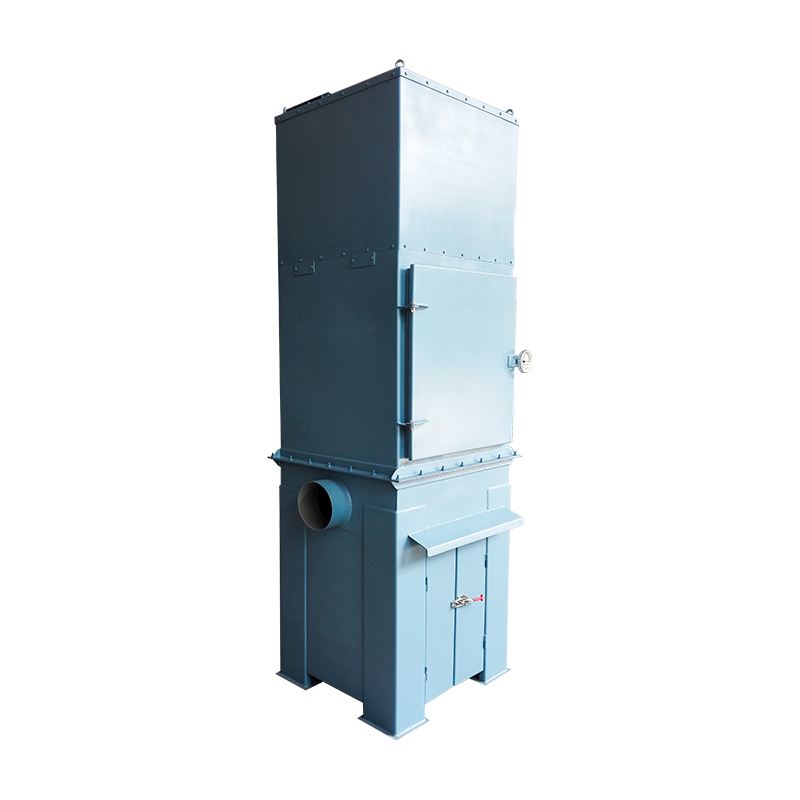
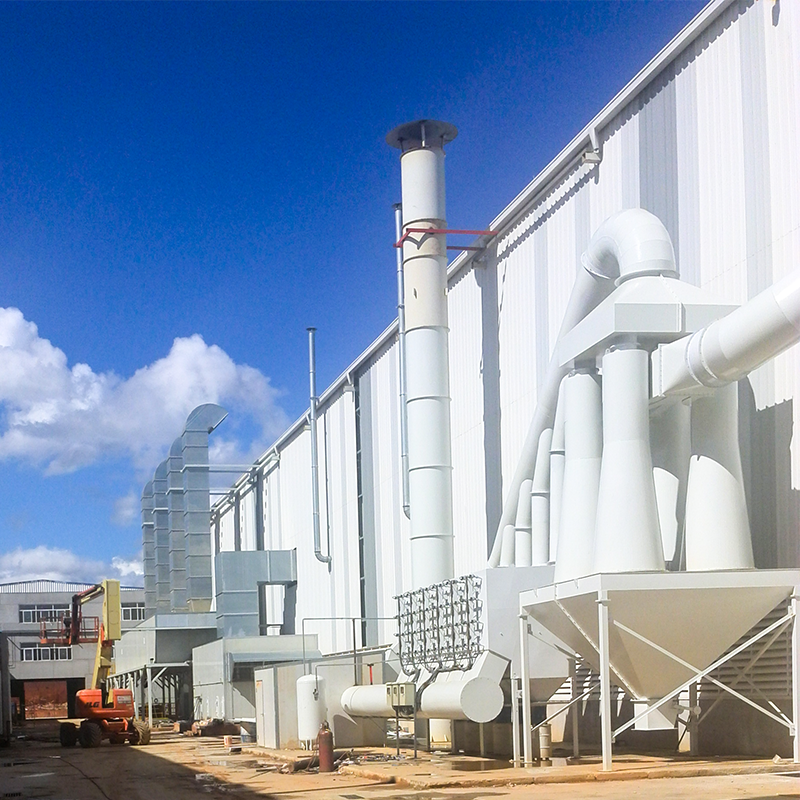
The structure of a baghouse dust collector typically includes an inlet, filter bag assembly, dust hopper, and exhaust system. The filter bag assembly is the core component, determining the dust collection efficiency and maintenance cycle. Filter bags are typically arranged in a cylindrical or bag-like shape. Accumulated dust is periodically cleaned using a pulse-jet cleaning system to ensure long-term operation without compromising filtration efficiency.
The dust hopper design is closely related to dust emission. A well-designed conical or cylindrical shape allows dust to fall smoothly into the hopper and be discharged through the dust removal system, reducing damage to the filter bags from dust backflow. Furthermore, modern baghouse dust collectors are designed for compactness and modularity to adapt to the limited space in grinding machine workshops.
Advantages of Baghouse Dust Collectors in the Grinding Machine Industry
Using baghouse dust collectors offers numerous advantages for grinding machine production. Firstly, it significantly improves the workshop environment, reduces airborne dust, protects operator health, and meets modern industrial environmental standards. Secondly, its high dust collection efficiency reduces equipment wear and maintenance costs, extending the service life of grinding machines and surrounding equipment.
Baghouse dust collectors excel in energy conservation and environmental protection. By optimizing duct design and filter bag materials, the equipment maintains stable airflow during operation while reducing energy consumption, achieving green production goals. Its reliable operation also enables companies to reduce production losses caused by equipment downtime.
Maintenance Management and Operation Optimization
The long-term efficient operation of baghouse dust collectors relies on scientific maintenance management. Regular inspection and cleaning of the filter bags are crucial. By monitoring differential pressure and dust removal status, the condition of the filter bags can be determined, and timely replacement can be achieved. Simultaneously, the air inlet and ash hopper of the dust collector need to be kept unobstructed to prevent blockages and dust backflow.
Regarding operation optimization, modern baghouse dust collectors are generally equipped with intelligent control systems that can automatically adjust the cleaning cycle and airflow according to the grinding machine's operating status, ensuring dust removal efficiency while reducing energy consumption. This intelligent management not only improves equipment reliability but also saves grinding machine companies significant manpower and maintenance costs.
Conclusion
Baghouse dust collectors (Bag Type Dust Collectors for Grinding Machines), with their high-efficiency dust collection capabilities, stable operating performance, and design adapted to grinding machine operating conditions, have become indispensable environmental protection equipment in modern grinding machine processing. They offer significant advantages in improving workshop air quality, protecting operator health, reducing equipment wear, and achieving energy conservation and emission reduction. With continuous technological advancements, future baghouse dust collectors will become more intelligent and efficient, providing solid support for the development of the grinding machine industry.