 English
 Español
 عربى
عربى
Home / News / Industry News / How Effective Is a Pulse Jet Bag Dust Collector for Industrial Dust Control?
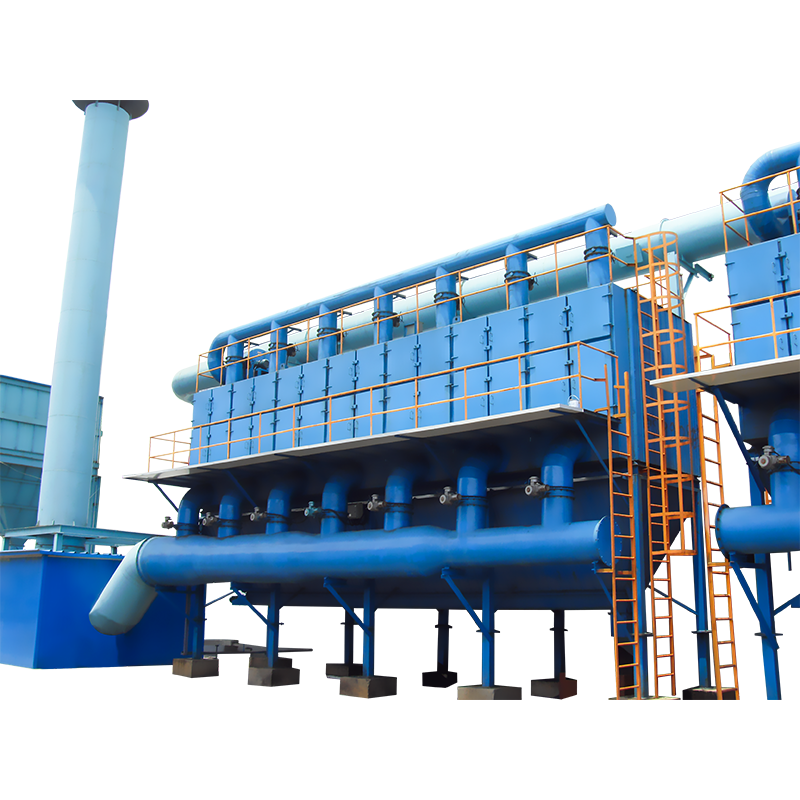
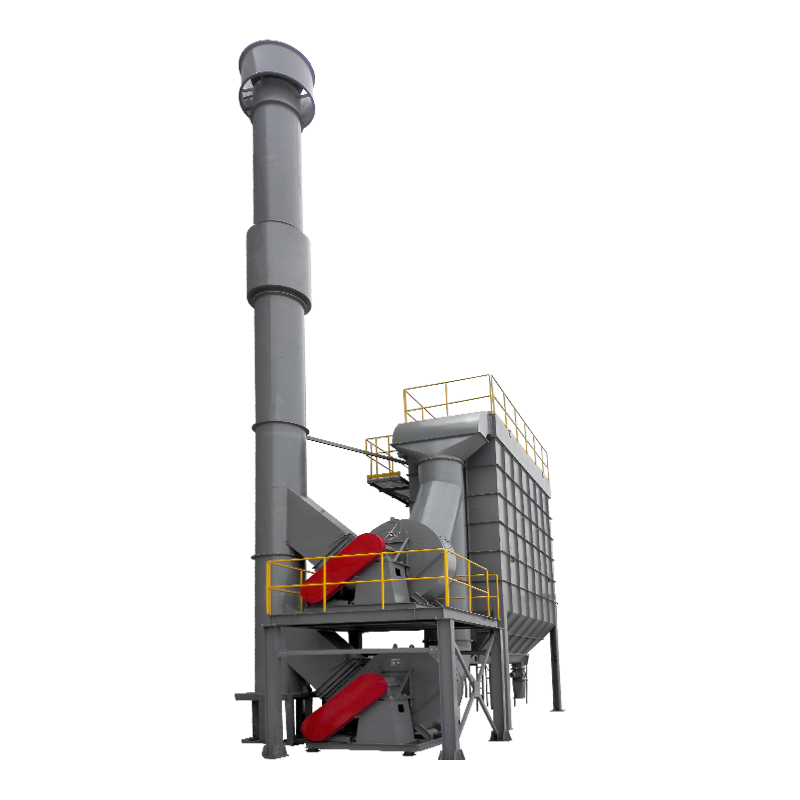
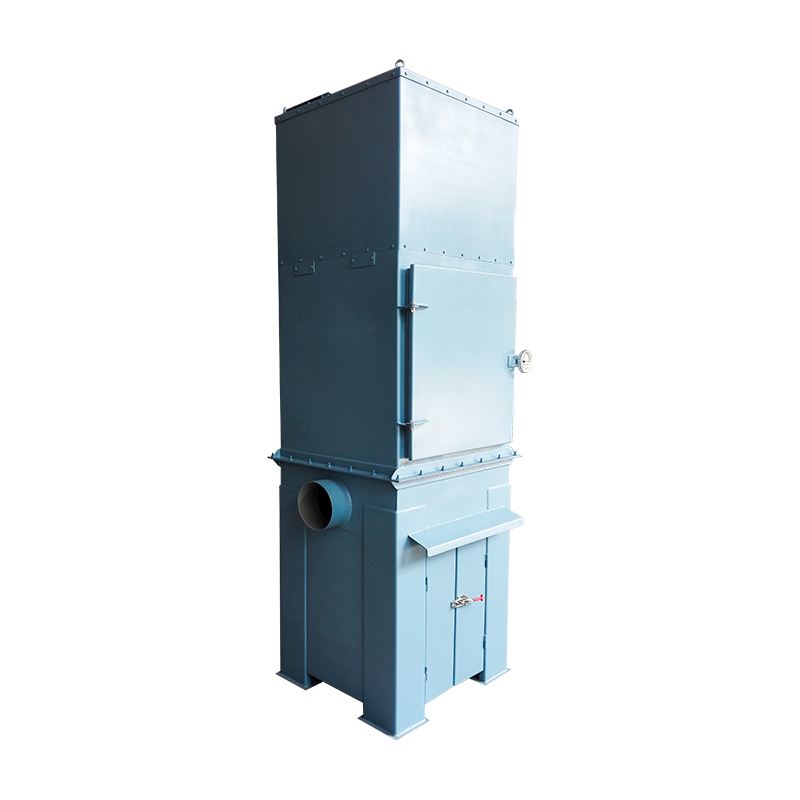
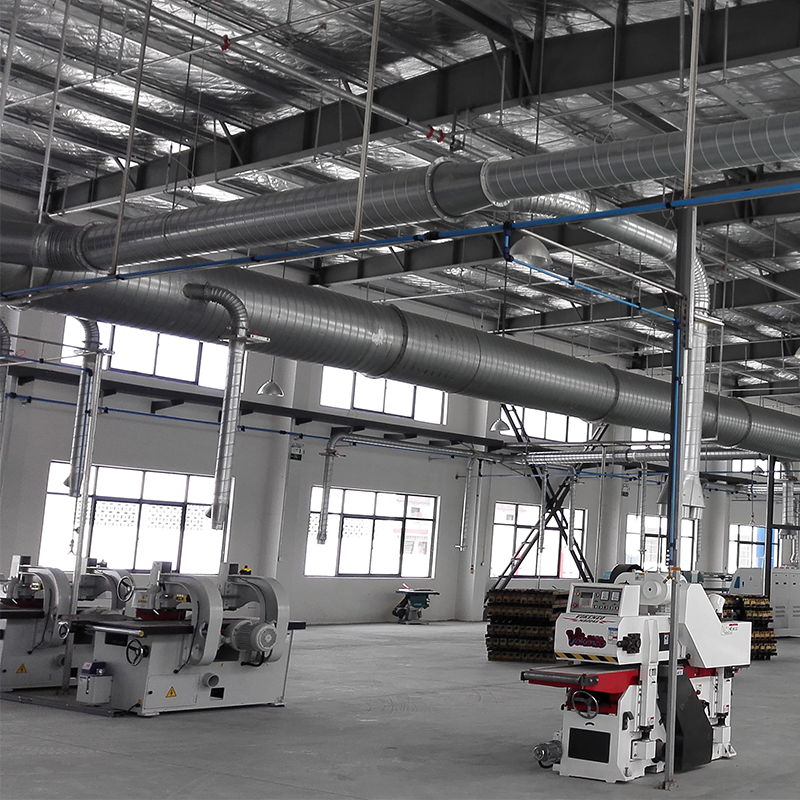
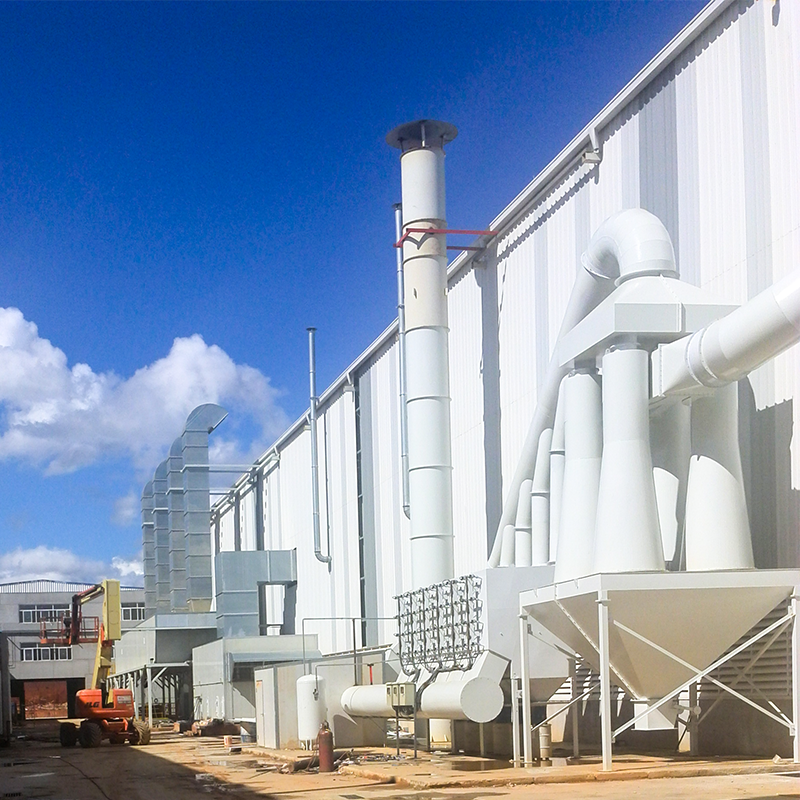
In modern industrial production, dust control has become a critical aspect of environmental protection and operational safety. The Industrial Pulse Jet Blowing Bag Dust Collector has emerged as an indispensable piece of equipment across various industrial applications due to its high efficiency, stability, and energy-saving capabilities. This article explores its working principle, design features, operational advantages, and maintenance, guiding companies in selecting dust control equipment.
Pulse Jet Technology: The Core of High Dust Collection Efficiency
The core of the industrial pulse jet blowing bag dust collector lies in its unique pulse jet cleaning technology. Compared to traditional bag dust collectors, the pulse jet uses short, high-energy bursts of compressed air to remove dust from the surface of the filter bags, maintaining filtration permeability and dust collection efficiency. This technology enables online cleaning during continuous operation without requiring shutdowns, significantly improving production efficiency and operational stability.
In this system, each bag functions as an independent filtration unit. Compressed air is released instantly through the pulse jet pipe, generating a pulse wave that shakes the dust off into the hopper. This method maximizes the use of the filter surface while prolonging bag life and reducing replacement and maintenance costs.
High-Performance Filter Media and Structural Design
The industrial pulse jet blowing bag dust collector is designed with attention to filtration precision, airflow resistance, and durability. The filter media are typically high-performance fiber materials with excellent temperature resistance, corrosion resistance, and anti-static properties, capable of handling various industrial dust environments. The cylindrical bag design maximizes surface area while ensuring even airflow distribution, minimizing local clogging.
The collector's housing and hopper are optimized for fluid dynamics. Air enters through the inlet, and dust quickly settles under the influence of cyclone effect and gravity, while clean air passes through the bags. This design enhances dust collection efficiency and reduces energy consumption, meeting modern industrial energy-saving and eco-friendly requirements.
Operation and Control System: Intelligent Management
Modern industrial pulse jet blowing bag dust collectors are often equipped with intelligent control systems, using PLC or microcomputers to precisely adjust pulse intervals, intensity, and airflow parameters. The system can automatically optimize operation based on dust concentration and pressure changes, balancing energy efficiency with high dust collection performance.
The intelligent system also provides fault alerts and data logging, allowing real-time monitoring of equipment status and early warning for bag wear, airflow issues, or pulse jet malfunctions. This automation reduces manual intervention and enhances overall system reliability for long-term operations.
Application Advantages Across Industries
The industrial pulse jet blowing bag dust collector is suitable for dust collection in chemical, metallurgical, cement, power, and food industries. Its advantages include high dust collection efficiency, low maintenance cost, compact footprint, stable operation, and environmental compliance.
Even in high dust concentration or fine particulate environments, it maintains stable filtration while meeting strict emission standards, making it an ideal solution for companies seeking production safety and regulatory compliance.
Maintenance and Longevity
Although the industrial pulse jet blowing bag dust collector is robust and durable, proper maintenance is essential for long-term stable operation. Routine maintenance includes inspecting compressed air lines, checking filter bag conditions, and cleaning the hopper. For high-temperature or corrosive dust environments, special filter materials can extend service life.
Additionally, pulse valves, control systems, and electrical components should be inspected and calibrated periodically to prevent malfunction or performance degradation. Scientific maintenance ensures high dust collection efficiency and reduces operational costs.
Conclusion
The industrial pulse jet blowing bag dust collector combines high-efficiency pulse cleaning technology, premium filter materials, and intelligent control systems, making it a top choice for modern industrial dust management. It provides a reliable balance of low energy consumption, high dust collection efficiency, and environmental compliance, ensuring cleaner air and safer production environments.
FAQ
| Q1: What types of dust can the industrial pulse jet blowing bag dust collector handle? | It is suitable for fine, high-concentration, dry, or mildly corrosive dust and efficiently captures various industrial dust particles. |
| Q2: How often do the filter bags need replacement? | Thanks to pulse jet cleaning technology, filter bags have a long service life and rarely require frequent replacement, but periodic inspection is recommended depending on dust properties and environment. |
| Q3: How is energy consumption controlled? | Intelligent control systems adjust pulse intervals based on actual dust concentration and airflow, balancing energy efficiency and dust collection performance. |
| Q4: Does the equipment require a large installation space? | The pulse jet blowing bag dust collector is compact and suitable for installation in limited industrial spaces. |
| Q5: How can long-term stable operation be ensured? | Through regular maintenance of lines, filter bags, pulse valves, and control systems, and by using high-performance filter materials, stable and efficient operation is ensured. |