 English
 Español
 عربى
عربى
Home / News / Industry News / What Are the Key Features of High Quality Industrial Bag Filter Dust Collectors?
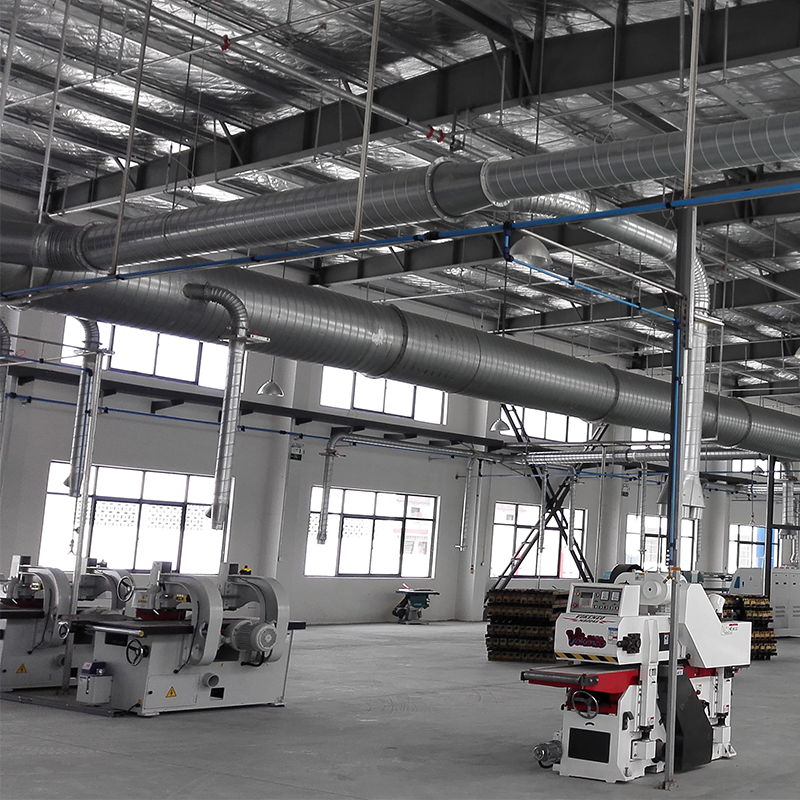
Industrial bag filter dust collectors are crucial in maintaining air quality and ensuring a safer and cleaner environment in manufacturing and heavy industries. These systems are designed to efficiently capture and remove airborne dust particles. In this article, we will explore the key features of High Quality Industrial Bag Filter Dust Collectors, focusing on their technical specifications, efficiency, and the critical factors that businesses should consider when selecting the right system for their needs.
What is a High Quality Industrial Bag Filter Dust Collector?
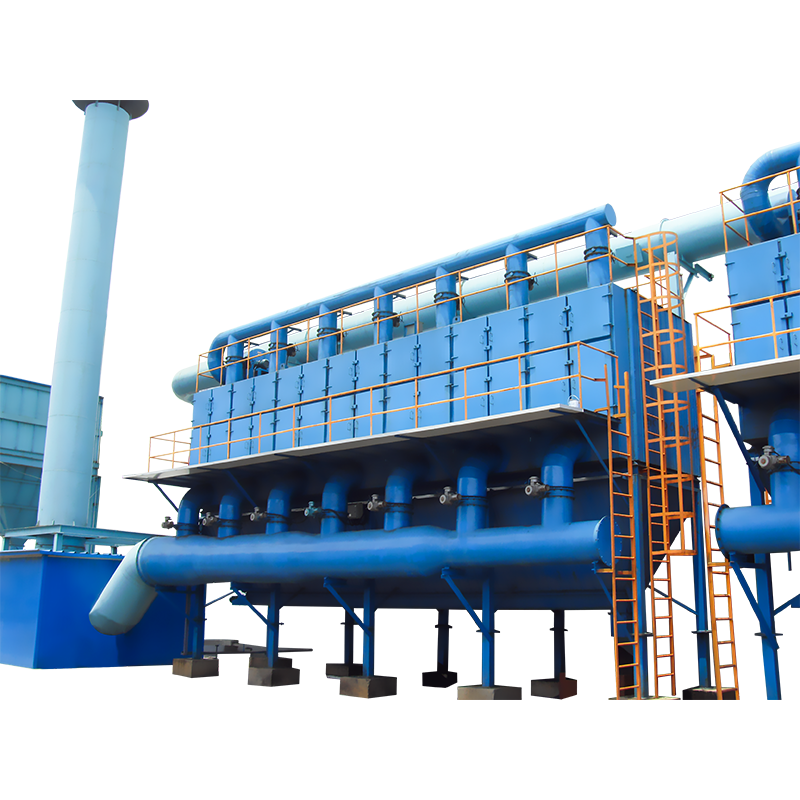
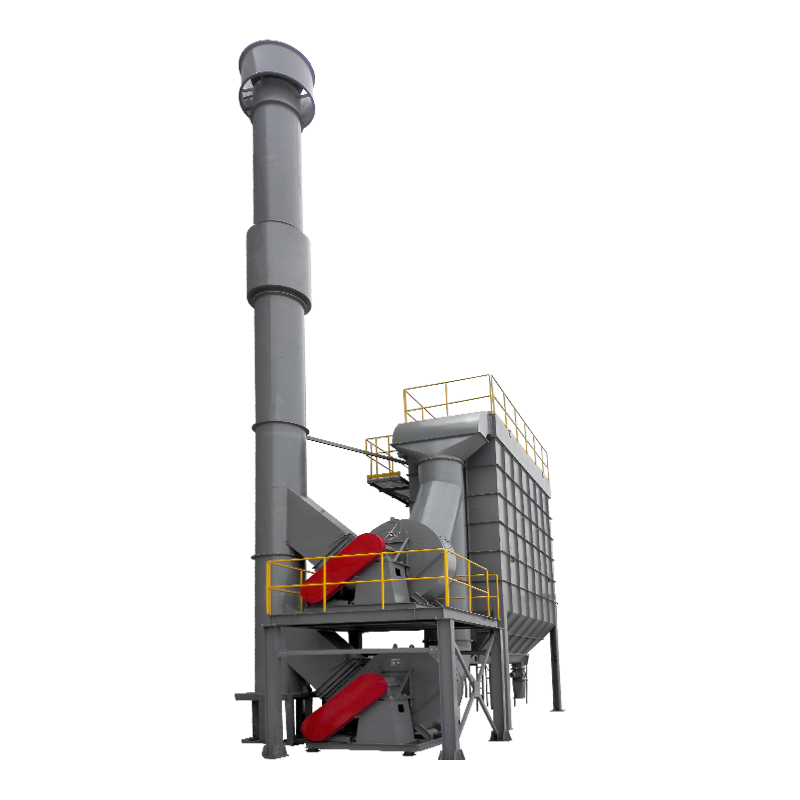
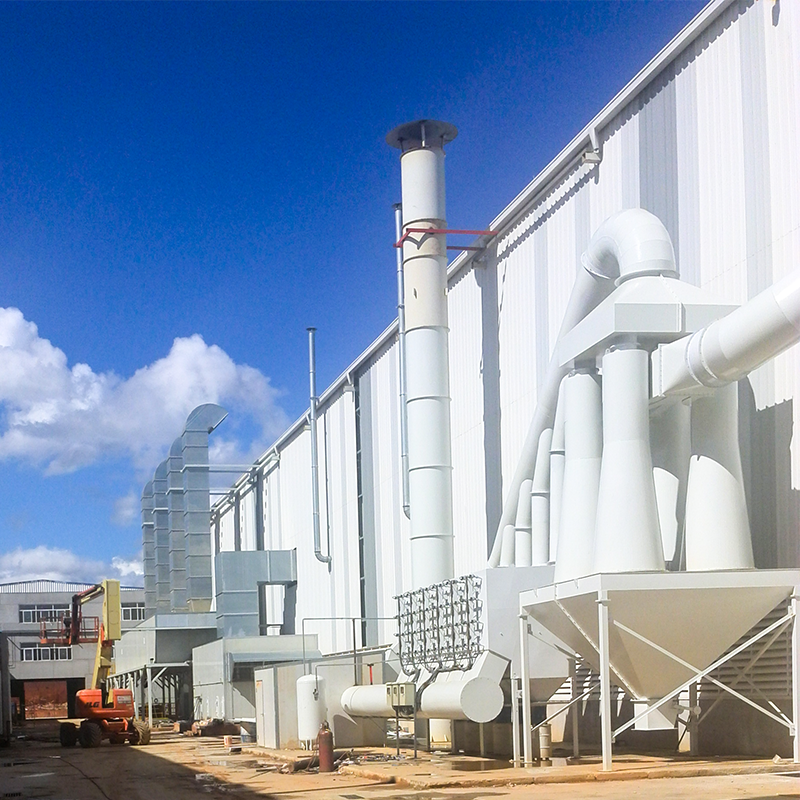
High Quality Industrial Bag Filter Dust Collectors are advanced air filtration systems that use fabric filters to capture and remove dust particles from the air in industrial settings. These systems work by drawing contaminated air through a series of fabric bags, which trap the dust particles while allowing clean air to pass through. The performance of these dust collectors is largely dependent on the quality of the filter media, the design of the system, and the cleaning mechanism used.
Applications of Industrial Bag Filter Dust Collectors
These dust collectors are widely used across various industries, including:
- Chemical Manufacturing
- Metalworking and Welding
- Pharmaceutical Production
- Food Processing
- Textile Manufacturing
For industries like these, it is crucial to select a High Quality Industrial Bag Filter Dust Collector to ensure long-term operation and compliance with health and safety regulations, particularly when dealing with hazardous materials.
Key Factors to Consider When Selecting a High Quality Industrial Bag Filter Dust Collector
Filter Efficiency
The efficiency of the filtration process is one of the most important characteristics of a dust collector. High-quality industrial bag filter dust collectors should provide a high filtration efficiency rate, ideally capturing 99% of dust particles. The material of the filter bag plays a significant role in determining filtration efficiency. Common filter materials include polyester, PTFE, and fiberglass, each offering different levels of resistance and filtration performance.
| Filter Material | Advantages | Disadvantages |
| Polyester | Cost-effective, good for a wide range of applications | Lower resistance to high temperatures |
| PTFE | High chemical resistance, excellent filtration efficiency | More expensive |
| Fiberglass | High heat resistance, ideal for high-temperature applications | Fragile and less flexible |
Durability and Maintenance
Durability is critical to ensure the long-term operation of a dust collector. High-quality systems are built with robust components designed to withstand harsh industrial environments. These systems should require minimal maintenance and have easily replaceable filter bags. Regular maintenance checks, such as cleaning the filters and checking for air leaks, are essential to keeping the system operating at peak performance.
Energy Efficiency
Another key feature of high-quality industrial bag filter dust collectors is energy efficiency. With the rising costs of energy, industrial facilities are increasingly looking for ways to minimize operational costs. Modern systems are designed with energy-saving features, such as energy-efficient motors and variable speed drives, to reduce power consumption while maintaining high filtration performance.
Key Technical Features of High Quality Industrial Bag Filter Dust Collectors
Advanced Filtration Technology
High-quality industrial bag filter dust collectors incorporate advanced filtration technologies, such as pulse-jet cleaning systems, which improve the cleaning efficiency of the filters. These systems use a burst of compressed air to remove dust buildup from the filter bags, allowing the system to operate continuously without the need for manual cleaning.
Automation and Smart Control Systems
Modern dust collectors are increasingly equipped with automation and smart control systems that allow operators to monitor the performance of the equipment remotely. These systems can provide real-time feedback on filter conditions, airflow, and dust levels, ensuring optimal operation at all times. The integration of IoT (Internet of Things) technology makes it possible for manufacturers to control and adjust system parameters via a centralized interface.
Modular Design for Flexibility
Many high-quality industrial bag filter dust collectors feature a modular design, allowing businesses to customize the system according to their specific needs. This flexibility enables companies to scale up their dust collection system as production demands increase. A modular system can be easily expanded with additional filter bags or connected to other filtration units.
How to Choose the Best Industrial Bag Filter Dust Collector for Your Business
For Small Factories
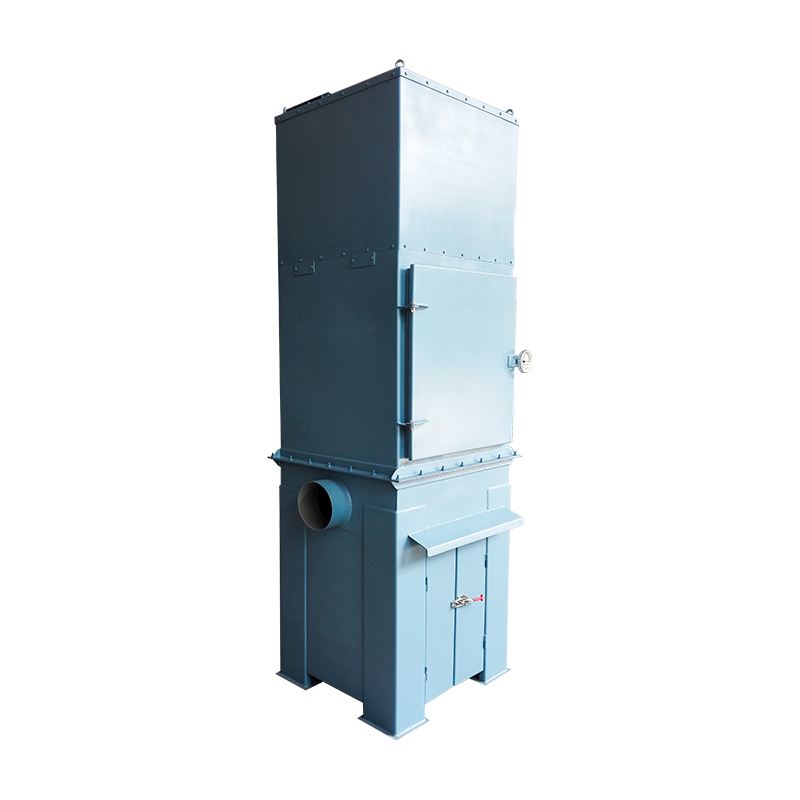
Choosing the right dust collector for small factories requires considering the available space, the type of dust being filtered, and the required airflow. For small-scale operations, a compact yet efficient system can provide adequate filtration without taking up too much space. Look for models that are cost-effective and have low maintenance requirements. Best Industrial Bag Filter Dust Collectors for Small Factories should offer a balance between performance and affordability.
Cost-Effective Solutions
For businesses on a budget, it's important to find a Affordable High Quality Industrial Bag Filter Dust Collector for Dust Control that meets the filtration requirements without compromising quality. Consider systems that offer low operational costs, energy efficiency, and durable construction.
Choosing the Right System for Heavy Industries
Heavy industries require systems that can handle high volumes of dust and operate under extreme conditions. High Efficiency Industrial Bag Filter Dust Collectors for Heavy Industries are designed with high airflow capacity, advanced cleaning mechanisms, and durable filter materials to withstand the demands of such environments. These systems are critical for maintaining a safe and clean workspace in industries like steel manufacturing or mining.
Maintenance and Care of High Quality Industrial Bag Filter Dust Collectors
Routine Maintenance
Routine maintenance is essential to prolong the life of a dust collector and ensure its efficiency. Regularly checking the filter bags for wear and tear, inspecting the motor and cleaning systems, and ensuring that there are no blockages or leaks in the system are all key steps to maintain the collector’s performance.
Common Problems and Troubleshooting
- Reduced airflow: Check for clogged filters or damaged components.
- Increased noise: Inspect the motor and fan for signs of wear.
- Lower filtration efficiency: Replace the filter bags if necessary.
Extending the Lifespan of the Equipment
Proper care and maintenance can significantly extend the lifespan of an industrial bag filter dust collector. Regular filter cleaning, scheduled part replacements, and using high-quality components are all key strategies for ensuring long-term performance.
Conclusion: The Importance of Choosing a High Quality Industrial Bag Filter Dust Collector
In summary, selecting a High Quality Industrial Bag Filter Dust Collector is essential for businesses that want to improve air quality, maintain regulatory compliance, and ensure the safety of their workers. Factors such as filtration efficiency, durability, energy efficiency, and ease of maintenance must be carefully considered when choosing the right system for your needs. With proper selection and maintenance, a high-quality dust collector can provide long-term value and contribute to a healthier, safer working environment.
FAQ
1. What are the key benefits of using a high-quality industrial bag filter dust collector?
A high-quality industrial bag filter dust collector improves air quality, reduces health risks, increases productivity, and helps businesses meet environmental regulations.
2. How can I determine the right filtration material for my dust collector?
The choice of filtration material depends on the type of dust being filtered, temperature conditions, and the required efficiency. Polyester is cost-effective, while PTFE offers higher chemical resistance and efficiency.
3. How often should I replace the filter bags in my dust collector?
Filter bags should be replaced when they show signs of wear, damage, or reduced filtration efficiency. Regular inspections will help determine the optimal replacement schedule.
4. Can I install a high-quality industrial bag filter dust collector in a small factory?
Yes, there are Best Industrial Bag Filter Dust Collectors for Small Factories designed for compact spaces while maintaining high filtration efficiency.
5. How do automation features enhance the performance of a dust collector?
Automation features, such as real-time monitoring and automatic cleaning systems, help optimize the dust collector’s performance, reduce manual intervention, and ensure consistent operation.