 English
 Español
 عربى
عربى
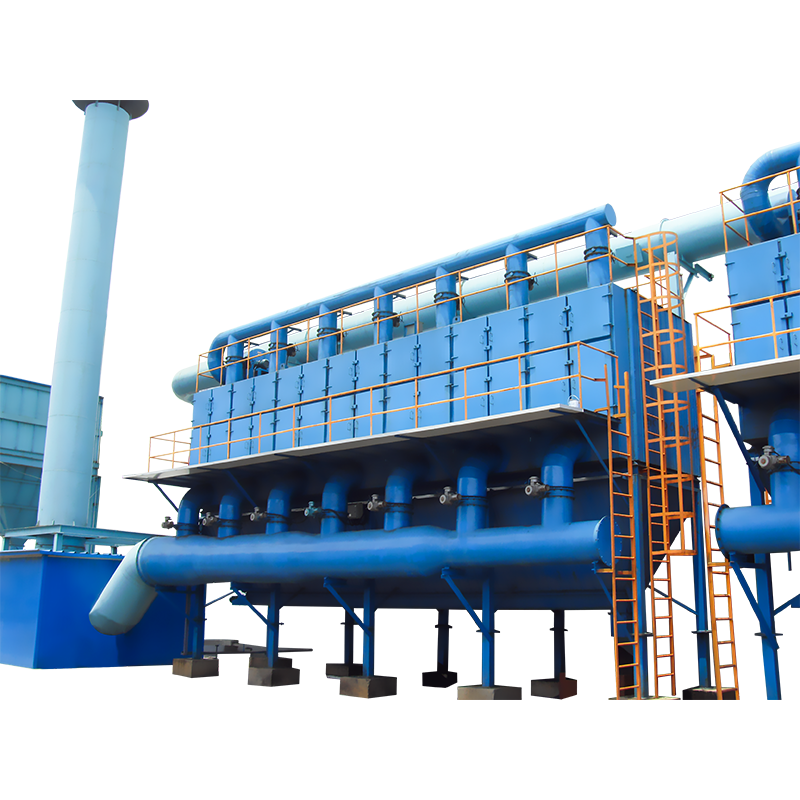
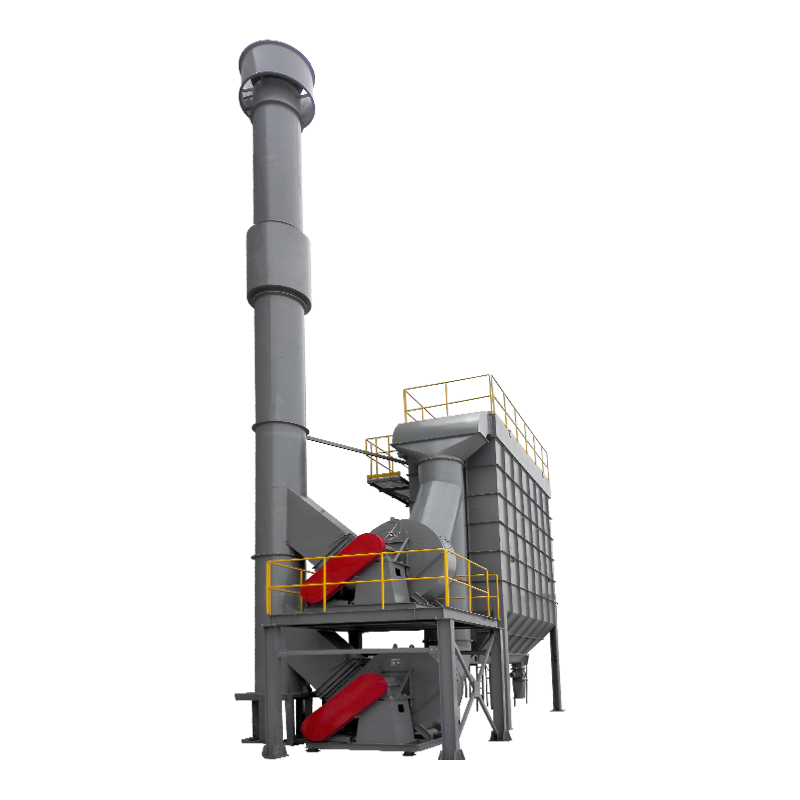
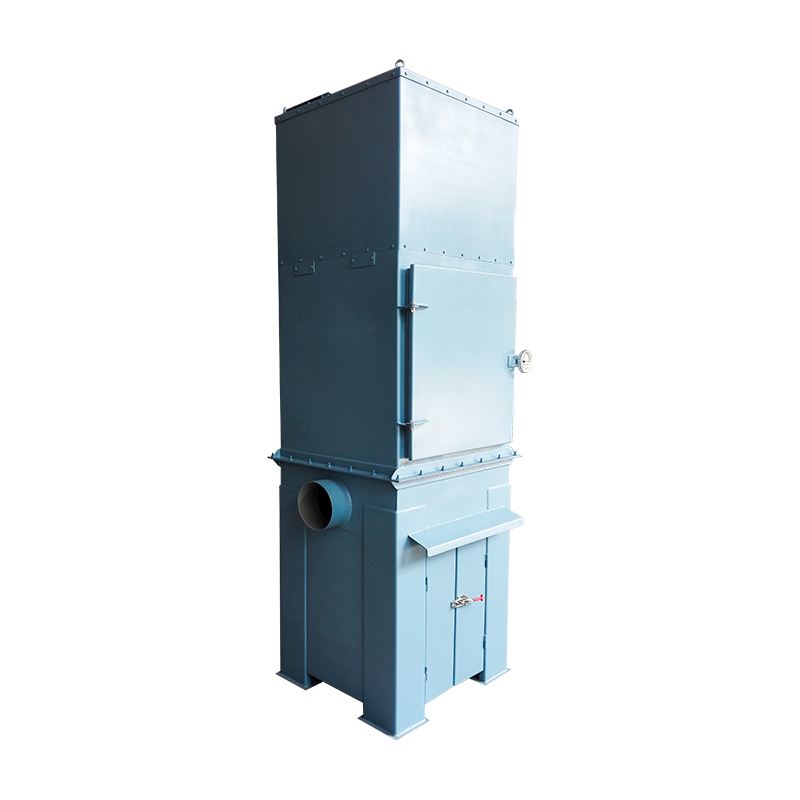
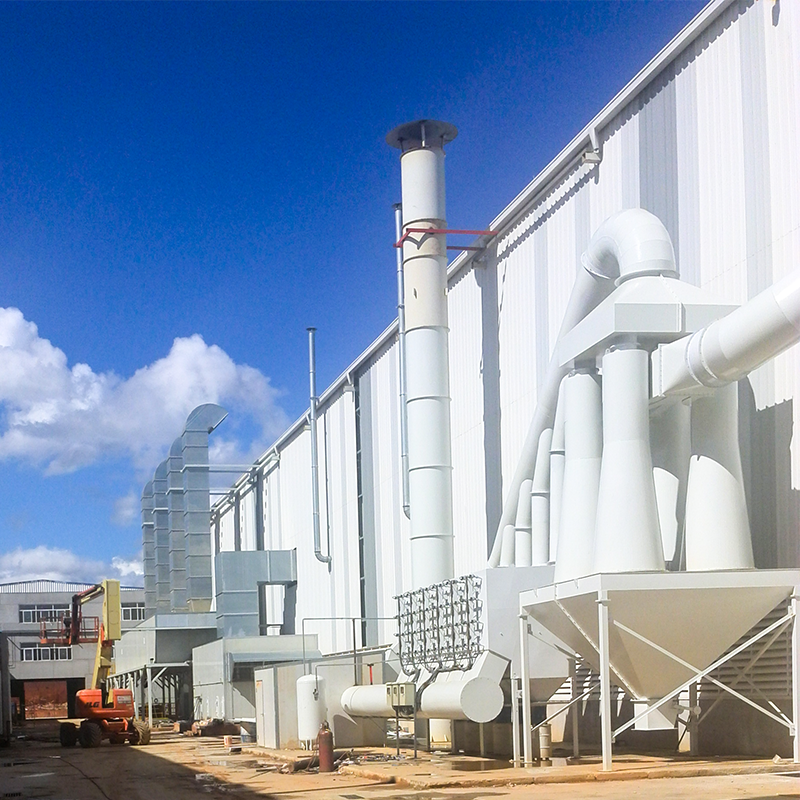
For grinding machine applications, bag type dust collectors represent the most practical, efficient, and cost-effective dust control solution available today. These systems deliver dust removal efficiency exceeding 99%, effectively capture fine grinding particles, protect equipment health, ensure workplace safety, and comply with environmental emission standards.
Unlike other dust collection technologies, bag type dust collectors maintain stable performance when handling the high-concentration, abrasive dust generated during grinding operations. They adapt seamlessly to continuous working conditions, reduce equipment wear caused by dust, extend the service life of grinding machines, and create a clean, healthy working environment for operators.
This conclusion is supported by industrial application data: factories using matched bag type dust collectors for grinding machines reduce dust-related equipment failures by over 80%, lower environmental protection non-compliance risks to nearly zero, and significantly improve on-the-job health protection for workers. In the grinding industry, bag type dust collectors have become standard supporting equipment rather than optional accessories.
Working Principle of Bag Type Dust Collectors for Grinding Machines
Basic Dust Collection Process
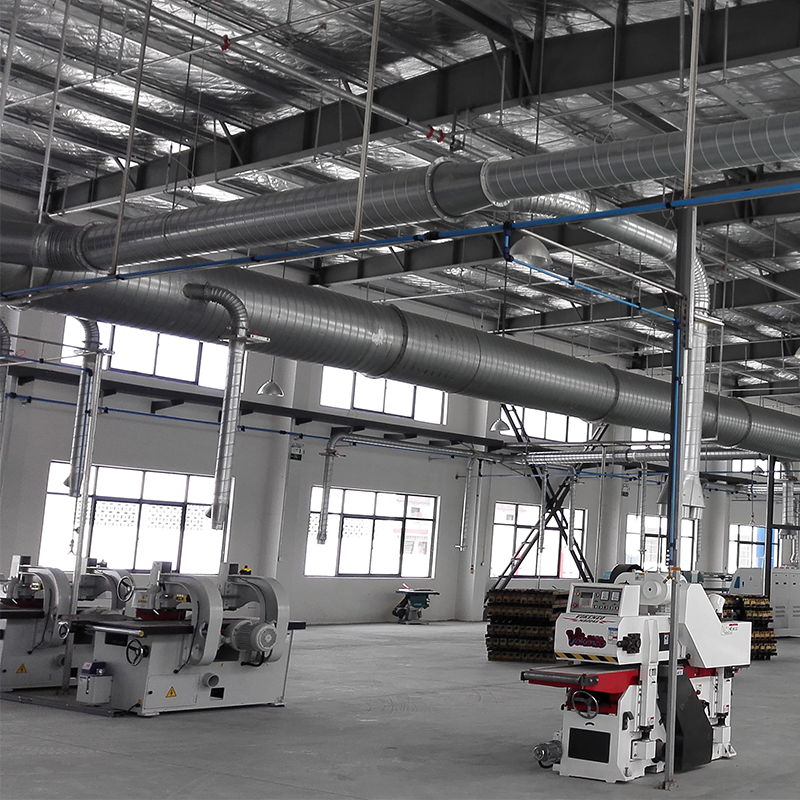
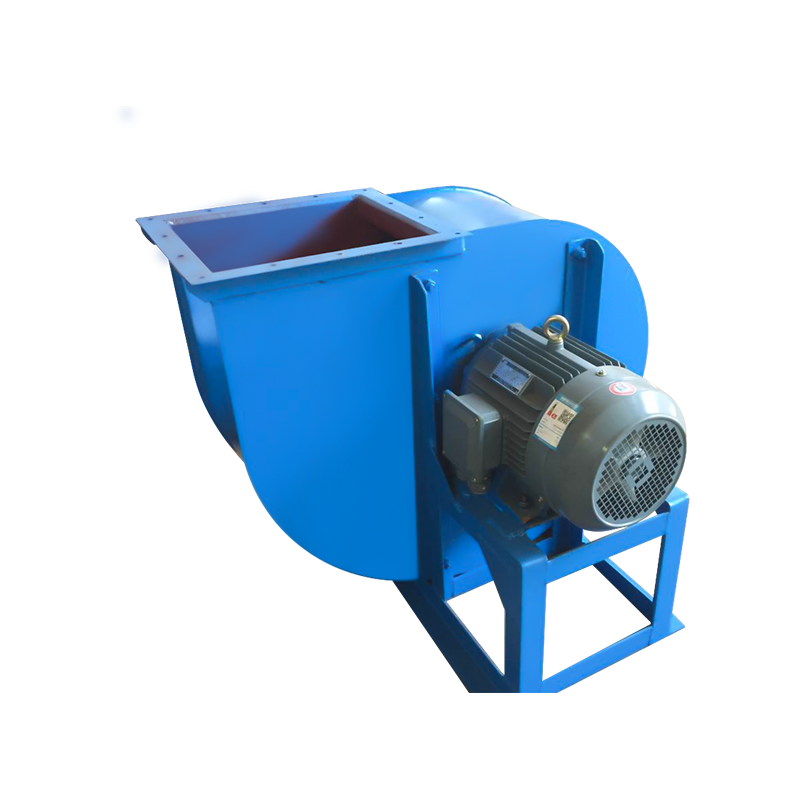
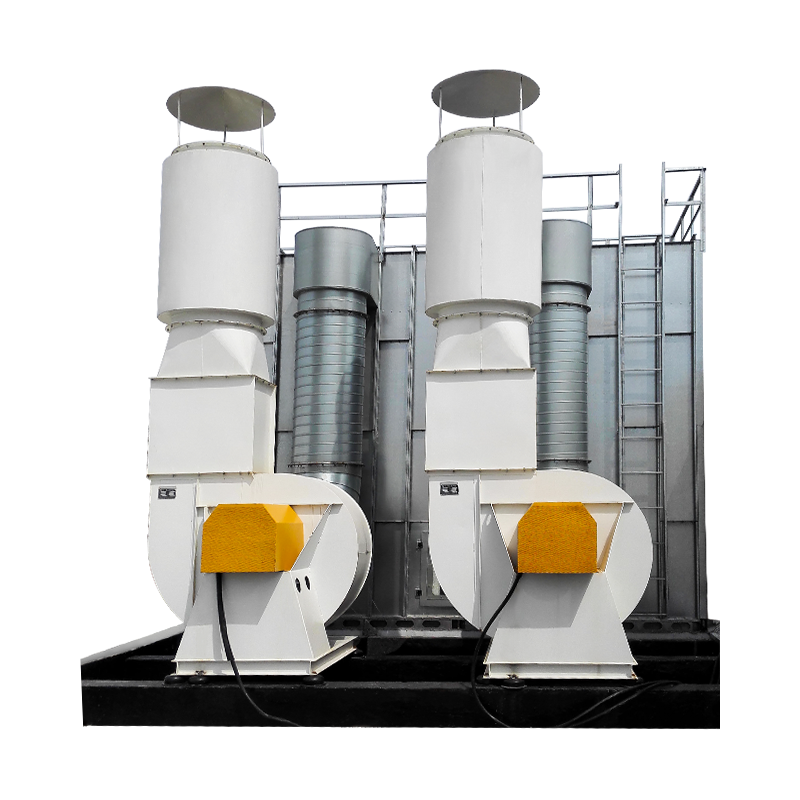
The bag type dust collector for grinding machines operates through a systematic physical filtration process. Driven by the negative pressure generated by the fan, dust-laden air produced during grinding is drawn into the dust collector through the air duct. The air passes through filter bags, where dust particles are intercepted and adsorbed on the outer surface of the bags.
Clean air after filtration passes through the filter bags, is discharged from the air outlet, or recycled back to the workshop. Dust accumulated on the bags is removed regularly through an automatic ash cleaning system and falls into the ash hopper at the bottom for centralized processing.
Ash Cleaning Mechanism for Grinding Dust
Grinding dust is highly abrasive and adhesive, requiring a targeted ash cleaning design. Most industrial-grade bag dust collectors use pulse jet ash cleaning, which uses high-pressure compressed air to instantly spray and vibrate the filter bags, removing stubborn dust layers.
This design ensures the filter bags maintain stable air permeability during long-term operation, preventing resistance increases and efficiency drops caused by excessive dust accumulation. The ash cleaning cycle can be adjusted according to the concentration of grinding dust, enhancing equipment adaptability.
Airflow Distribution and Pressure Control
Professional grinding machine dust collectors are equipped with optimized airflow distribution plates to ensure uniform contact between dust-laden air and filter bags, avoiding local wear and extending filter bag service life. The system is equipped with pressure monitoring devices to maintain stable negative pressure, ensuring efficient dust capture at the grinding source.
Key Advantages of Bag Type Dust Collectors in Grinding Applications
Ultra-High Dust Removal Efficiency
Bag type dust collectors achieve filtration efficiency above 99% for grinding dust, including fine particles below 1 micron that pose the greatest health risks. This performance far exceeds ordinary mechanical dust collectors and meets strict environmental and occupational health standards.
Strong Adaptability to Grinding Conditions
Grinding operations produce continuous, high-concentration dust with strong abrasiveness. Bag dust collectors use wear-resistant filter materials and reinforced structures to resist abrasion, ensuring stable operation under long-term continuous working conditions without significant performance degradation.
Low Operating Cost and High Cost-Effectiveness
Compared with electrostatic precipitators and other dust removal equipment, bag type dust collectors have lower initial investment, simpler maintenance, and fewer vulnerable parts. Filter bag replacement is convenient and affordable, and daily energy consumption is controlled at a low level, reducing long-term operating costs for enterprises.
Equipment Protection and Production Stability
Uncontrolled grinding dust enters the internal components of grinding machines, causing serious wear to bearings, transmission systems, and precision parts. Using a matched bag dust collector reduces equipment failure rates by more than 80%, extends maintenance intervals, and improves production continuity.
Workplace Safety and Health Protection
Grinding dust contains harmful particles that threaten respiratory health. Effective dust collection reduces operator exposure risk by over 90%, improves workshop visibility and air quality, reduces safety hazards caused by dust accumulation, and creates a compliant working environment.
Key Parameters for Selecting Bag Type Dust Collectors for Grinding Machines
Air Volume Matching
Air volume is the core parameter, determined by grinding machine type, processing material, number of grinding heads, and sealing conditions. Insufficient air volume leads to poor dust capture, while excessive air volume wastes energy and increases costs. Professional configuration ensures complete dust capture.
Filter Bag Material Selection
Grinding dust requires filter materials with good abrasion resistance and dust release performance. Common materials include polyester non-woven fabric, acrylic filter material, and high-temperature resistant filter material for special working conditions. The right material extends service life and reduces replacement frequency.
Filtration Wind Speed Design
Filtration wind speed directly affects efficiency and bag life. For grinding dust, the optimal range is 0.8 to 1.2 m/min. Too high a speed causes rapid wear and reduced efficiency; too low increases equipment size and cost. Professional design ensures balance.
Ash Cleaning System Configuration
Pulse jet ash cleaning is preferred for grinding applications, with adjustable pressure and interval. Compressed air pressure is controlled at 0.4 to 0.6 MPa for effective dust removal without damaging filter bags.
Installation Requirements for Bag Type Dust Collectors and Grinding Machines
Source Capture Hood Design
The capture hood is installed at the grinding area with reasonable shape and size to cover the dust source. A distance of 100 to 300 mm from the grinding head ensures capture efficiency without affecting operation.
Duct Layout and Installation
Ducts should be as short and straight as possible with smooth inner walls to reduce resistance and dust accumulation. Horizontal ducts have a slope for ash cleaning, and elbows use large arcs to minimize resistance.
Equipment Position and Fixing
The dust collector is placed on a stable foundation with reserved space for maintenance. It is fixed firmly to reduce vibration and noise, and connected to the grinding machine with reliable sealing to avoid air leakage.
Electrical and Control System Connection
The dust collector and grinding machine use linkage control to start simultaneously. The control panel has operation indicators and fault alarms for real-time monitoring and safe operation.
Daily Maintenance and Upkeep of Bag Type Dust Collectors for Grinding Machines
Routine Inspection Items
- Check system air tightness daily to repair air leaks in ducts and joints
- Monitor pressure gauge values; abnormal values indicate filter bag clogging
- Check ash hopper dust level and discharge regularly to prevent overflow
- Inspect fan operation for abnormal noise or vibration
Filter Bag Maintenance and Replacement
Filter bags have a service life of 6 to 12 months under normal grinding conditions. Regularly inspect for wear, breakage, or clogging. Clean or replace damaged bags immediately to maintain efficiency. Use proper tools during replacement to avoid damage.
Ash Cleaning System Maintenance
Check pulse valves and nozzles monthly for blockages or damage. Ensure stable compressed air pressure. Replace damaged solenoid valves promptly to maintain effective ash cleaning.
Regular Comprehensive Maintenance
Perform quarterly comprehensive maintenance: clean ducts and shells, lubricate fan bearings, check electrical connections, and calibrate monitoring instruments. Annual thorough maintenance ensures long-term stable performance.
Common Faults and Troubleshooting of Bag Type Dust Collectors
Insufficient Dust Collection Effect
Causes: filter bag clogging/damage, air leakage, inappropriate air volume, faulty capture hood. Solutions: clean/replace bags, repair leaks, adjust air volume, optimize hood position.
Excessive System Resistance
Causes: clogged filter bags, blocked ducts, closed valves. Solutions: activate ash cleaning, clean ducts, check valve status.
Ash Cleaning System Failure
Causes: insufficient air pressure, damaged pulse valves, clogged nozzles. Solutions: adjust pressure, replace valves, clean nozzles.
Dust Emission at Air Outlet
Causes: broken filter bags, damaged bag cages, loose seals. Solutions: replace damaged parts, reinforce sealing, reinstall components.
Performance Comparison Between Bag Type Dust Collectors and Other Dust Removal Equipment
| Equipment Type | Dust Removal Efficiency | Adaptability to Grinding Dust | Operating Cost | Maintenance Difficulty |
|---|---|---|---|---|
| Bag Type Dust Collector | Over 99% | Excellent | Low | Easy |
| Mechanical Dust Collector | 70%-80% | Poor | Medium | Medium |
| Electrostatic Precipitator | 90%-95% | Medium | High | Difficult |
The data confirms bag type dust collectors are the best choice for grinding machines, with higher efficiency, better adaptability, lower costs, and easier maintenance than alternatives.
Optimization Strategies to Improve Dust Collection Efficiency
Optimize Source Capture Structure
Upgrade closed or semi-closed capture hoods to reduce dust escape. Add flexible baffles for better coverage. This simple upgrade improves capture efficiency by 15% to 25%.
Intelligent Control of Ash Cleaning
Install differential pressure control for automatic ash cleaning based on actual resistance, replacing fixed cycles. This saves 20% to 30% compressed air and extends filter bag life by 3 to 6 months.
Upgrade High-Performance Filter Materials
Use coated or laminated filter materials with better anti-stick and abrasion resistance, ideal for grinding dust. They maintain stable air permeability and reduce cleaning frequency.
Duct System Resistance Optimization
Remove unnecessary elbows and branches, polish inner walls, and set reasonable air speeds. Reducing duct resistance by 30% lowers fan energy consumption by over 15%.
Safety Operation Specifications for Bag Type Dust Collectors
Safety is critical for dust collectors used with grinding machines. Operators must follow strict specifications to avoid risks.
- Start the dust collector 3 to 5 minutes before the grinding machine and shut it down 5 to 10 minutes after to clear residual dust
- Do not modify the system or block air inlets/outlets during operation
- Empty dust regularly to prevent accumulation and spontaneous combustion risks
- Perform maintenance only after power off and safety confirmation
- Equip with fire prevention and explosion-proof devices for flammable dust materials
Following these specifications ensures stable, safe operation and maximizes equipment service life.
Long-Term Value Brought by Bag Type Dust Collectors for Grinding Machines
Economic Benefits
Stable dust control reduces grinding machine wear, cutting maintenance costs by over 60% and extending service life by 3 to 5 years. It eliminates environmental fines and improves product quality by reducing dust contamination.
Environmental and Social Benefits
The system meets national emission standards, reduces workshop dust concentration to safe levels, protects operator health, lowers occupational disease risks, and improves the factory's environmental image.
Production Management Benefits
Automated operation reduces manual cleaning, lowers labor intensity, and creates a clean, comfortable workshop that improves employee satisfaction and reduces turnover.
Summary and Application Prospects
Bag type dust collectors are the optimal dust control solution for grinding machines, with efficiency over 99%, strong abrasion resistance, low cost, and easy maintenance. They protect equipment, ensure safety, comply with regulations, and bring significant economic and environmental benefits.
With higher environmental and health standards, bag dust collectors will become standard equipment. Future developments include more efficient filter materials, intelligent control, and energy-saving designs that further enhance performance and reduce costs.
For grinding operations, selecting a professionally matched bag type dust collector, standardized installation, and scientific maintenance is the most reliable way to achieve efficient dust control, ensuring long-term stable and compliant production.