 English
 Español
 عربى
عربى
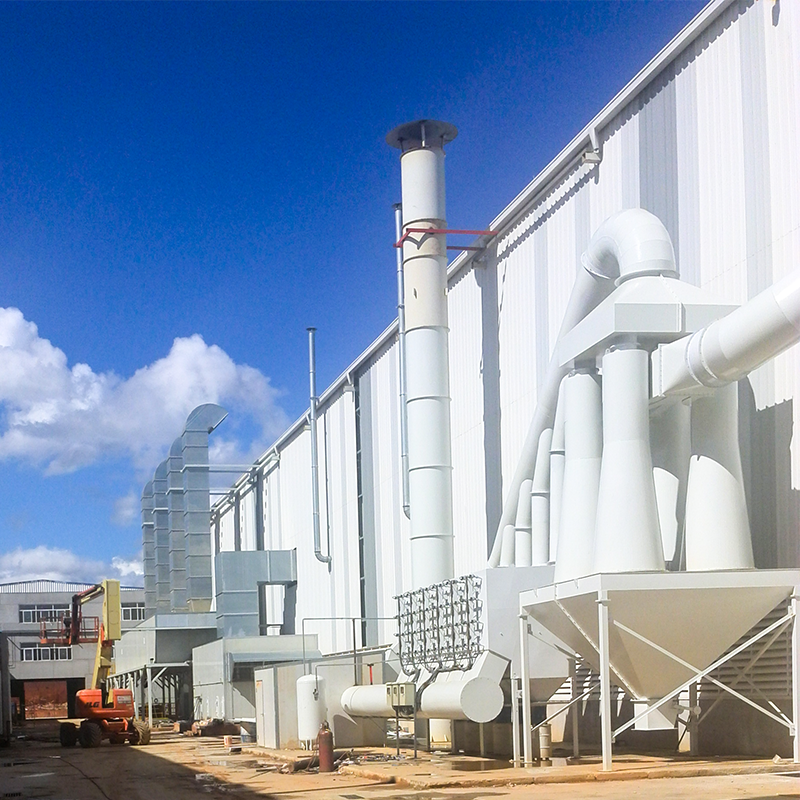
Implementing a bag type dust collector for grinding machines is the most effective and reliable method to capture hazardous airborne particles, ensure operator safety, and maintain regulatory compliance. While various filtration technologies exist, fabric filter bag systems offer the unique combination of high-efficiency capture for fine dust, cost-effective operation, and the durability required to withstand the heavy loads and sparks typically generated during grinding processes. These systems not only protect respiratory health but also prevent combustible dust explosions, making them a critical non-negotiable component in any modern industrial grinding environment.
Understanding the Hazards of Grinding Dust
Grinding operations, whether on metal, wood, or stone, inherently produce significant amounts of dust. This is not merely a nuisance; it is a serious safety hazard. The process of mechanically removing material from a workpiece creates particulate matter that varies in size, often including respirable fractions that can penetrate deep into the lungs.
For metal grinding, the risks are twofold: health toxicity and explosion risk. Grinding steel, cast iron, or aluminum releases fine metallic particles. Prolonged exposure can lead to conditions such as siderosis (iron dust accumulation in the lungs) or other respiratory impairments. Furthermore, certain metal dusts are combustible. When suspended in the air in the right concentration and met with an ignition source—such as a spark from the grinding wheel itself—these particles can cause catastrophic explosions. A bag type dust collector mitigates these risks by continuously removing the particulate from the air stream before it can settle or be inhaled.
How Bag Type Dust Collectors Function
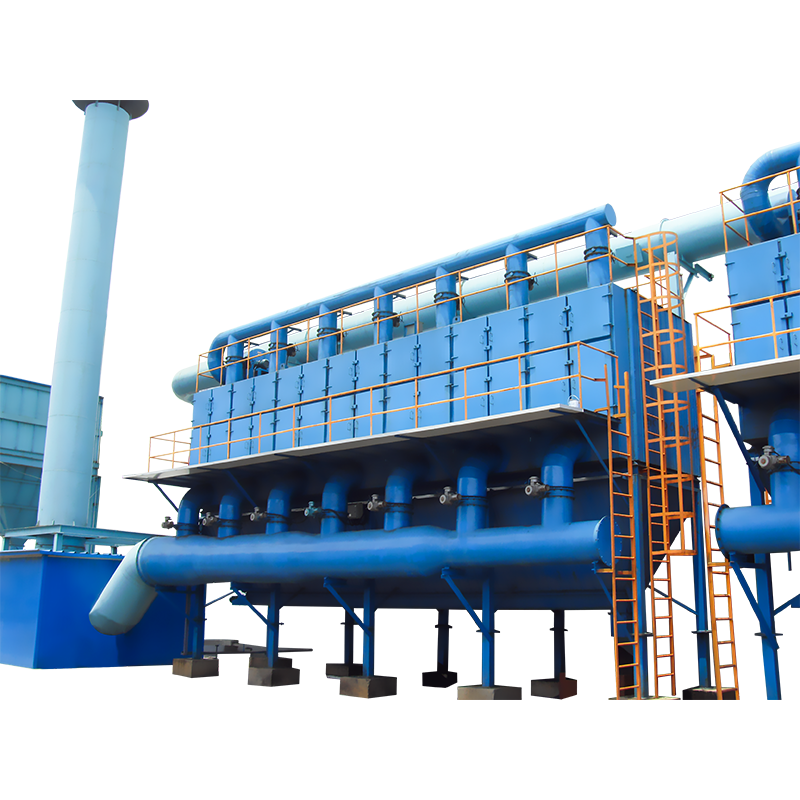
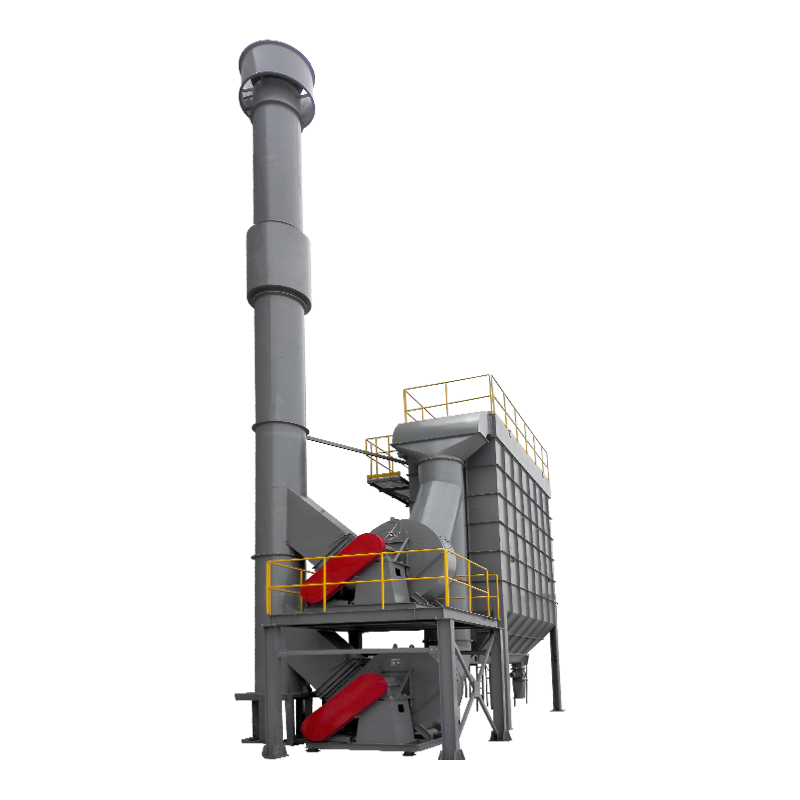
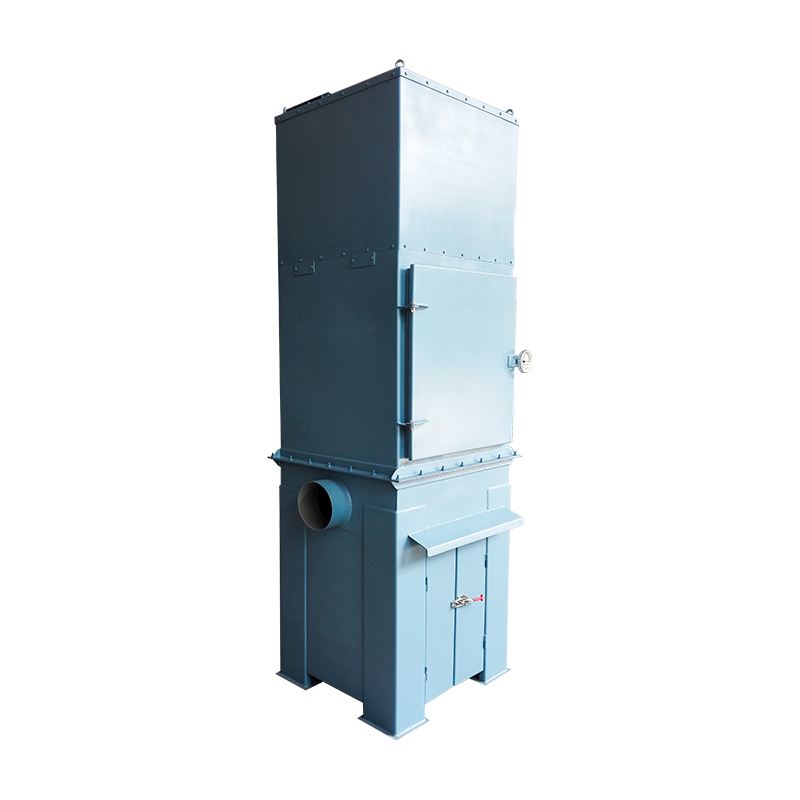
The operational principle of a bag type dust collector is rooted in the concept of surface filtration. The system draws contaminated air from the grinding machine through ductwork into a housing unit containing a series of tubular fabric filters, or "bags."
The Filtration Process
- Intake: The dust-laden air enters the hopper and is slowed down, causing larger, heavier particles to fall directly into the collection bin due to gravity.
- Filtering: The remaining air, carrying finer dust, flows through the fabric bags. The fabric acts as a porous barrier, allowing air to pass while trapping the solid particles on the surface or within the fibers of the fabric.
- Cake Formation: As dust accumulates, it forms a "dust cake" on the bag. Interestingly, this cake often enhances the filter's efficiency, acting as an additional filtering layer for subsequent particulate.
- Cleaning: To maintain airflow, the system must periodically clean the bags. This is typically done using a pulse-jet mechanism where bursts of compressed air reverse the flow, shaking the dust cake loose into the hopper below.
- Exhaust: The cleaned air is then vented back into the facility or outside, meeting environmental and safety standards.
Advantages Specific to Grinding Applications
Choosing a bag type system over other filtration methods, such as cartridge collectors or cyclone separators, offers distinct benefits specifically tailored to the harsh environment of grinding machines.
High-Temperature Tolerance: Grinding generates significant heat. Cartridge filters, often made of cellulose or synthetic blends, can be sensitive to high temperatures, which may degrade the filter media. Bag filters, particularly those made from materials like Nomex or fiberglass, can withstand the high-temperature spikes often found in heavy grinding applications without sustaining damage.
Handling Heavy Dust Loads: Grinding is a "dirty" process that produces a high volume of debris in a short amount of time. Bag type collectors generally have a larger surface area compared to standard cartridge units of similar physical size. This larger area allows the system to handle heavy dust loading without clogging rapidly, reducing the frequency of maintenance cycles.
Versatility in Media: The fabric bags can be customized. For extremely fine metal dusts, specialized membranes can be laminated to the bag fabric to achieve superior filtration efficiency. For applications involving moisture or oil mist mixed with the grinding dust, hydrophobic treatments can be applied to the bags to prevent clogging.
Selecting the Right Filter Media
The performance of a bag type dust collector is heavily dependent on the material of the bags. Selecting the wrong fabric can lead to frequent replacements, poor air quality, or even fire hazards. Below is a comparison of common filter media used in grinding operations.
| Filter Media | Max Temperature | Best For |
|---|---|---|
| Polyester | ~135°C (275°F) | General woodworking, dry dust |
| Nomex (Aramid) | ~200°C (390°F) | High-temp metal grinding, spark resistance |
| PTFE (Teflon) | ~260°C (500°F) | Chemical resistance, sticky dusts |
| Fiberglass | ~260°C (500°F) | Extreme heat, large volume applications |
System Design and Airflow Considerations
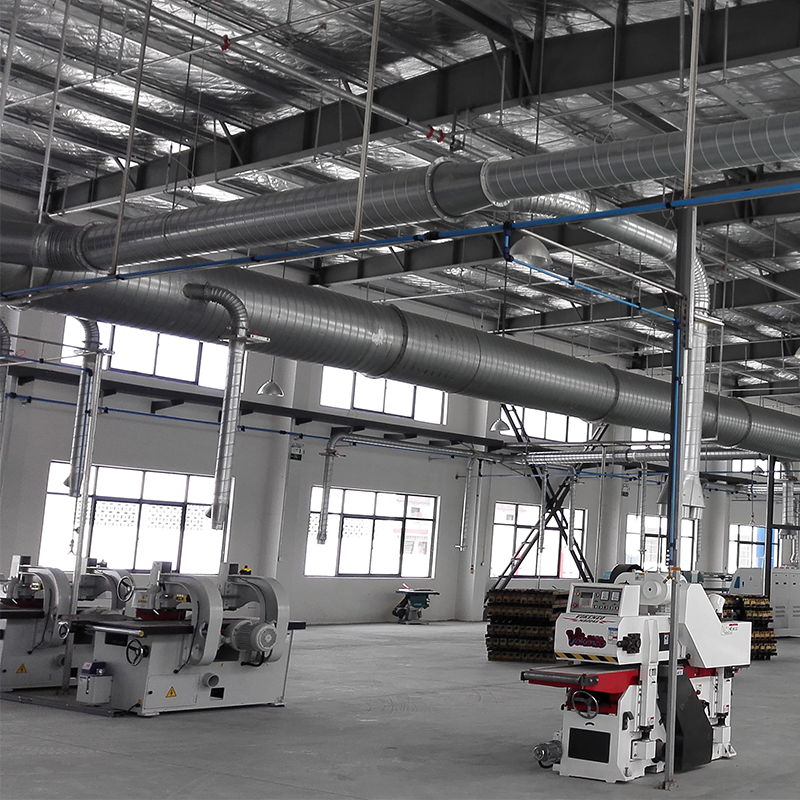
A dust collector is only as effective as the ductwork that connects it to the grinding machine. Poor design can lead to insufficient suction at the source, allowing dust to escape into the room.
Capture Velocity
To capture grinding dust effectively, the air velocity at the hood (the point of capture) must be sufficient. For grinding operations, this typically requires a capture velocity of at least 100 to 200 feet per minute at the hood opening. If the air moves too slowly, heavier particles will escape the airflow and settle. If it moves too fast in the ducts, it can cause excessive wear on the duct walls due to abrasion from the metal particles.
Ductwork Layout
The ductwork should be as straight and short as possible. Every 90-degree elbow adds resistance to the system, equivalent to several feet of straight pipe. Long, convoluted runs reduce the static pressure available at the hood. Furthermore, because grinding dust is often abrasive, using heavier gauge steel for the ductwork is advisable to prevent premature wear and holes.
Maintenance Protocols for Longevity
Regular maintenance is the key to ensuring the longevity and efficiency of a bag type dust collector. While these systems are robust, neglect can lead to catastrophic failure or safety breaches.
- Differential Pressure Monitoring: The most critical metric is the differential pressure (the pressure drop across the filter bags). A rising pressure drop indicates the bags are clogging and may need cleaning or replacement. A low pressure drop might indicate a tear in the bag.
- Regular Inspections: Schedule weekly or monthly visual inspections of the bags. Look for signs of wear, moisture, or pinholes. Even a small hole can allow significant amounts of dust to pass through, compromising air quality.
- Emptying Hoppers: Never allow the dust collection hopper to fill up completely. If the dust level reaches the filter tubes, it can plug the cages and make cleaning impossible, potentially blinding the filters permanently.
- Checking Compressed Air: Since most systems use pulse-jet cleaning, ensuring the compressed air supply is clean, dry, and at the correct pressure is vital. Moisture in the air lines can cause dust to stick to the bags (blinding), rendering the cleaning cycle ineffective.
Explosion Protection Requirements
As previously mentioned, metal grinding dust can be explosive. Therefore, simply filtering the air is not enough; the system must be engineered to handle a potential deflagration. Standard bag type collectors can be upgraded with safety features.
Explosion Venting: This involves installing vent panels on the collector that are designed to open at a specific pressure. In the event of an explosion inside the unit, the vents open to release the pressure and flame into a safe area, preventing the collector from rupturing.
Flameless Venting: If the collector is located indoors where direct venting is unsafe, flameless venting devices can be used. These devices quench the flame as it exits the vent, preventing it from igniting the surrounding workshop.
Spark Detection and Extinguishing: For grinding operations, installing spark detectors in the ductwork upstream of the filter is a proactive measure. If a spark is detected, a water spray or diversion valve is activated to extinguish the spark before it reaches the dust collector, where it could ignite the accumulated dust cloud.
Conclusion
Investing in a high-quality bag type dust collector for a grinding machine is an investment in the future of the business. It directly impacts worker health, reducing absenteeism and long-term healthcare costs. It ensures compliance with increasingly strict occupational safety regulations. Furthermore, by preventing dust buildup on machinery and electronics, it can improve the overall reliability and lifespan of the factory equipment. By understanding the mechanics of filtration, selecting the appropriate media, and adhering to a strict maintenance schedule, operators can ensure their grinding environment is safe, clean, and efficient.