 English
 Español
 عربى
عربى
Home / News / Industry News / What are the main differences between axial and centrifugal industrial fans?
Industrial fans are the backbone of environmental control in large-scale commercial and manufacturing facilities. The primary conclusion is that these systems are essential for maintaining safe air quality, regulating temperature, and protecting both human health and sensitive equipment. By continuously moving massive volumes of air, they prevent the buildup of hazardous gases, reduce humidity, and disperse concentrated heat. Selecting and implementing the correct industrial fan directly dictates a facility's operational efficiency and regulatory compliance.
Without adequate air movement, enclosed industrial spaces quickly become uninhabitable and dangerous. Stagnant air allows dust, fumes, and volatile organic compounds to accumulate, posing severe respiratory risks to personnel. Furthermore, machinery operating in high-temperature environments without proper cooling suffers from reduced operational lifespan and frequent thermal breakdowns. A properly designed industrial fan system mitigates these risks by ensuring a constant, predictable exchange of air, substituting contaminated internal air with fresh external air or circulating conditioned air throughout the vast space.
Primary Categories of Industrial Fans
Understanding the mechanical variations of these systems is crucial for proper application. Industrial fans are broadly classified into several categories based on their internal airflow dynamics and pressure generation capabilities.
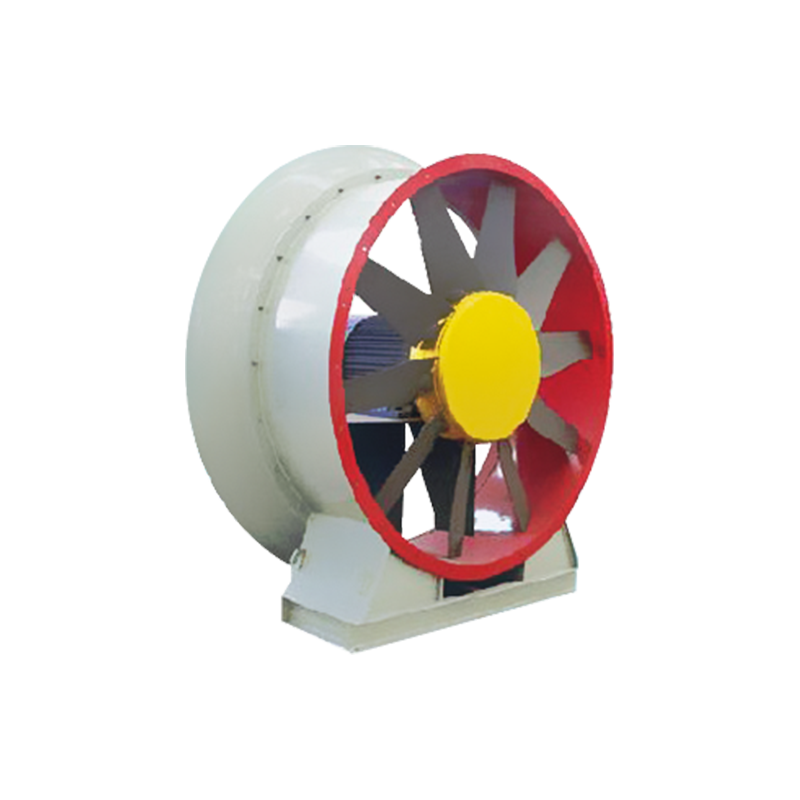
Axial Fans
Axial fans operate by drawing air in and pushing it out in the same axial direction, parallel to the fan's shaft. They are highly efficient at moving vast quantities of air at low pressure. These are typically utilized in general ventilation, exhaust systems, and cooling towers where resistance to airflow is minimal. Their design is straightforward, often resulting in lower manufacturing and maintenance costs, making them ideal for large warehouses and agricultural barns.
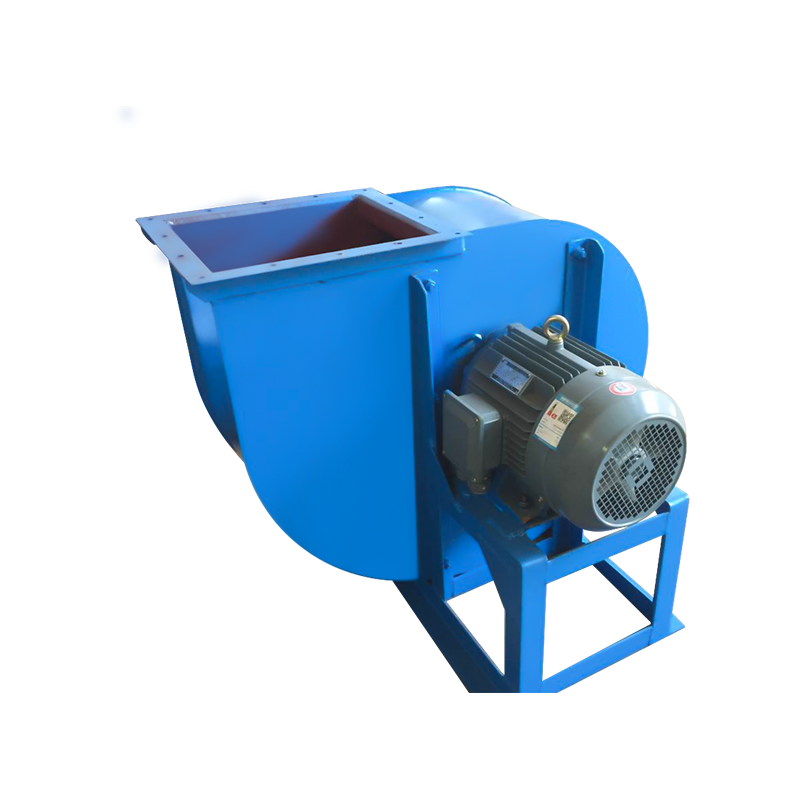
Centrifugal Fans
Centrifugal fans, also known as blowers, change the direction of the airflow. Air enters axially and is expelled radially, perpendicular to the inlet. This design allows them to generate significantly higher pressure than axial fans. They are indispensable in environments with high static pressure, such as ductwork systems, pollution control equipment, and material handling operations. Centrifugal fans are highly effective at handling particulate-laden or corrosive airstreams, provided they are constructed with appropriate resistant materials.
Mixed Flow Fans
Combining the characteristics of both axial and centrifugal designs, mixed flow fans offer a middle ground. They provide higher pressure capabilities than pure axial fans while maintaining excellent airflow efficiency. They operate with reduced noise levels, making them suitable for indoor environments where acoustic pollution is a concern, such as large indoor commercial complexes and underground parking structures.
Key Application Areas Across Industries
The versatility of industrial fans allows them to be deployed across a vast spectrum of sectors. Each application requires a nuanced understanding of the environmental challenges present.
- Manufacturing and Heavy Industry: Utilized for spot cooling of heavy machinery, exhausting welding fumes, and removing airborne particulates generated during cutting or grinding processes.
- Agriculture and Livestock: Essential for maintaining airflow in poultry houses and dairy farms, preventing heat stress in animals and removing ammonia buildup from waste.
- Warehousing and Logistics: Large diameter fans are used to destratify air, pushing heated air down from the ceiling to the floor level during winter, resulting in significant heating cost reductions.
- Power Generation and Mining: Deployed in cooling towers, boiler systems, and underground ventilation shafts to supply fresh oxygen and remove explosive or toxic gases.
Essential Criteria for Selecting the Proper System
Choosing the appropriate industrial fan requires a technical assessment of the facility's specific needs. Failing to accurately calculate requirements can lead to insufficient ventilation or excessive energy consumption. The following table outlines the critical parameters that dictate the selection process.
| Selection Parameter | Definition | Operational Impact |
|---|---|---|
| Airflow Volume | The quantity of air moved per unit of time, typically measured in cubic meters per hour. | Determines if the fan can adequately replace the total volume of air within the designated space. |
| Static Pressure | The resistance the fan must overcome to push air through ducts, filters, or equipment. | Dictates the need for centrifugal versus axial designs; insufficient pressure leads to system failure. |
| Environmental Conditions | Temperature extremes, humidity levels, and presence of corrosive or explosive elements. | Influences material construction, requiring specialized coatings or spark-resistant designs. |
| Efficiency Rating | The ratio of air power output to mechanical power input. | Directly affects long-term operational costs; higher efficiency drastically lowers electrical consumption. |
Maintenance Protocols and Energy Efficiency
The longevity and sustained performance of industrial fans depend heavily on rigorous, scheduled maintenance. Neglecting routine inspections inevitably leads to decreased efficiency, elevated energy consumption, and catastrophic mechanical failure. Facility managers must establish a proactive maintenance schedule to monitor component wear and structural integrity.
Key maintenance tasks include the regular lubrication of bearings to reduce friction, thorough cleaning of fan blades to prevent imbalance, and inspection of belt drives for proper tension. Accumulated dust and debris on blades alter the aerodynamic profile, forcing the motor to work harder and drawing more electrical current. Keeping fan blades clean and properly balanced can reduce energy consumption by a substantial margin, proving that maintenance is not just a reliability issue but a core financial strategy.
Energy efficiency is further enhanced by integrating advanced motor technologies and control systems. Utilizing variable frequency drives allows the fan speed to be precisely matched to the real-time air demand of the facility, rather than running constantly at maximum capacity. This adaptability prevents energy waste during periods of low occupancy or reduced production. Furthermore, upgrading to high-efficiency motors ensures that less electrical energy is lost as heat, contributing to a cooler operating environment and lowering the overall cooling load of the facility. Implementing these technological upgrades transforms a standard ventilation requirement into a strategic asset for operational cost reduction.
Future Trends in Industrial Air Movement
The evolution of industrial ventilation is leaning heavily toward smart technology and sustainable design. The integration of Internet of Things (IoT) sensors into fan systems allows for real-time monitoring of vibration, temperature, and airflow metrics. This data enables predictive maintenance, where potential failures are identified and rectified before they cause system downtime. Predictive maintenance strategies are fundamentally changing how facility managers approach equipment lifecycle, shifting from reactive repairs to data-driven optimization.
Additionally, aerodynamic research continues to refine blade designs. The development of specialized airfoil shapes, inspired by aerospace engineering, minimizes turbulence and acoustic noise while maximizing air displacement. As industries face stricter environmental regulations and higher energy costs, the demand for highly engineered, smart industrial fans will only continue to grow, solidifying their role as a critical component in the sustainable industrial landscape.