 English
 Español
 عربى
عربى
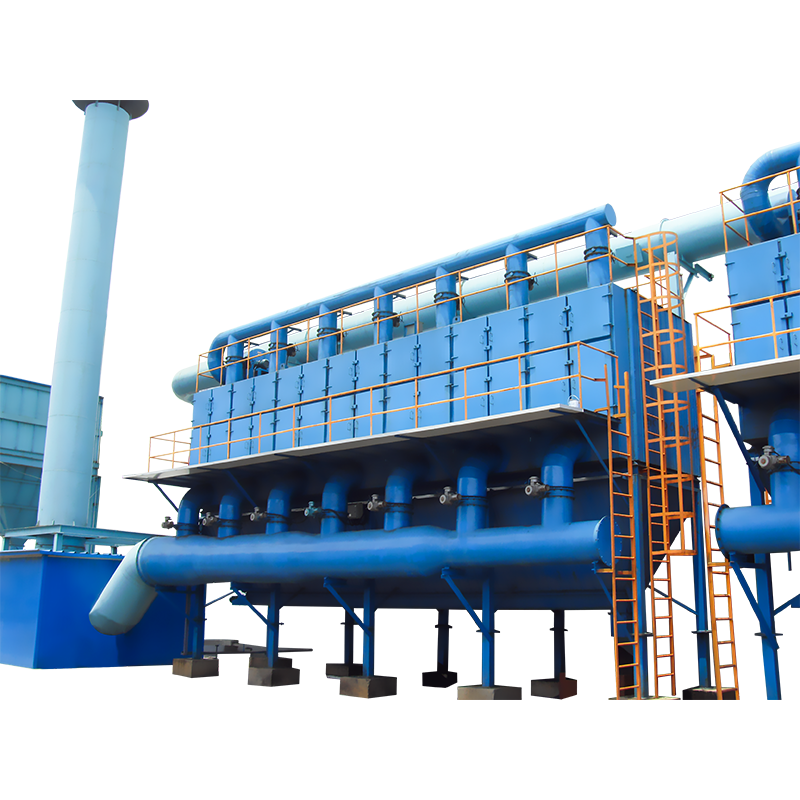
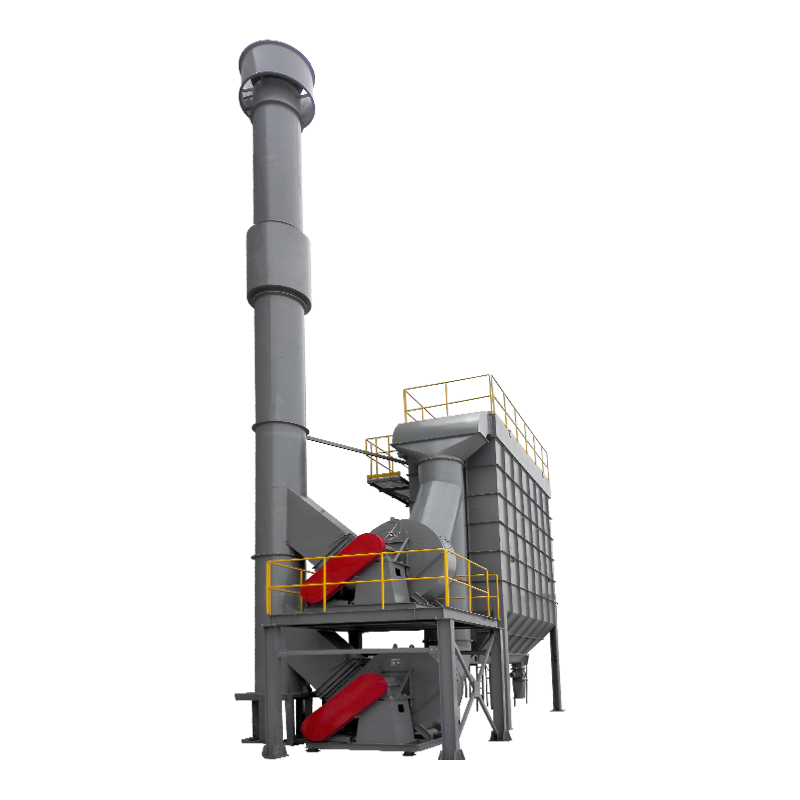
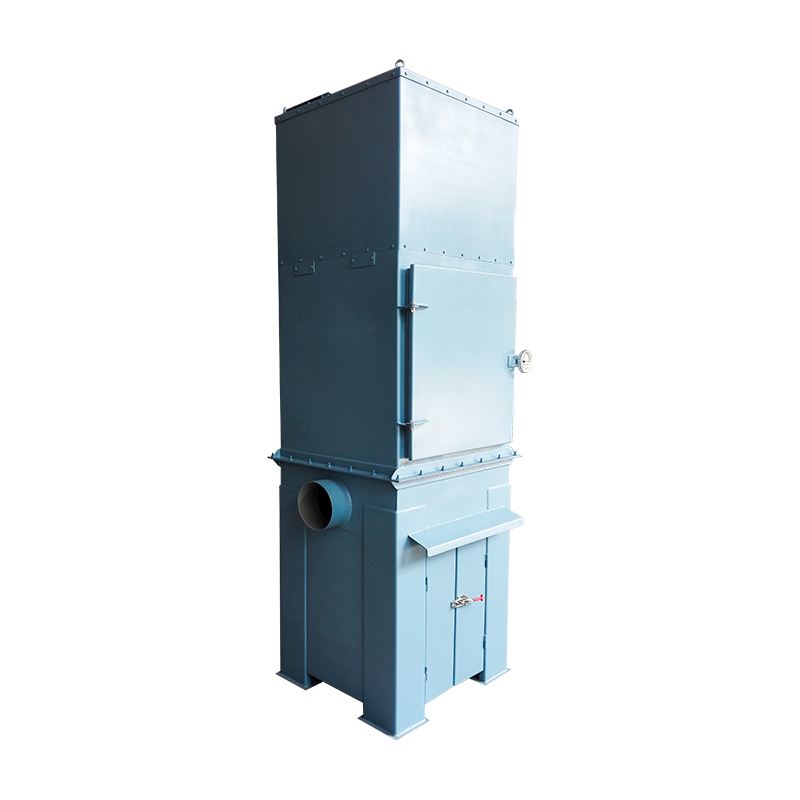
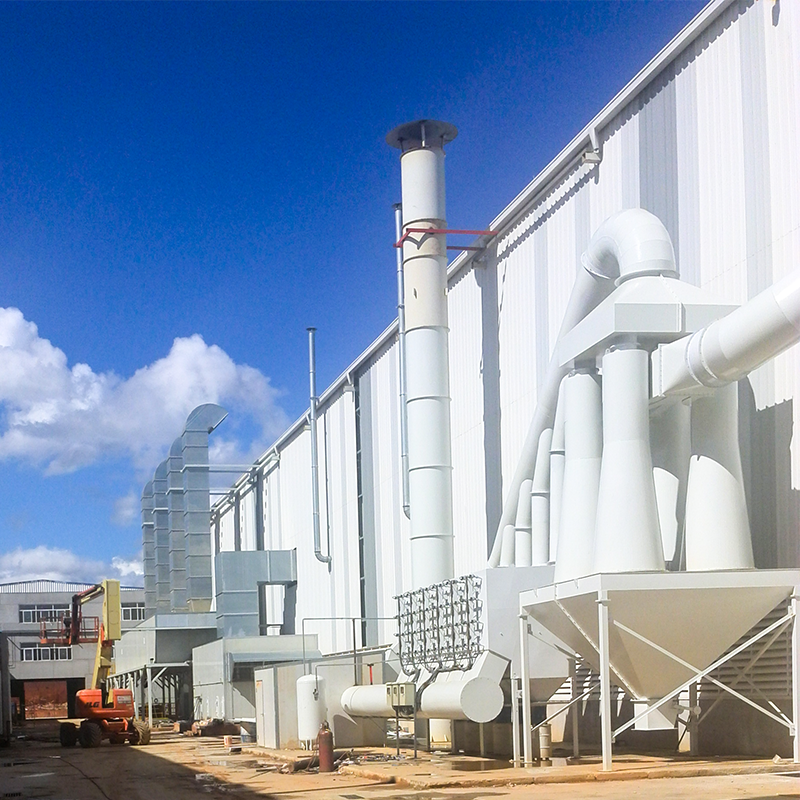
Investing in high-quality industrial bag filter dust collectors is the most effective strategy for controlling industrial particulate emissions, ensuring regulatory compliance, and safeguarding worker health. These systems provide superior filtration by capturing microscopic dust particles before exhaust air is released into the environment. A premium dust collector goes beyond simple dust capture; it optimizes energy consumption, reduces operational downtime, and extends the lifespan of surrounding manufacturing equipment by preventing abrasive dust accumulation.
In modern industrial operations, poor air quality can lead to severe health hazards, equipment failure, and hefty regulatory fines. High-quality baghouse dust collectors act as the lungs of a facility, continuously filtering contaminated air and returning clean, breathable air back into the workspace or exhausting it safely outdoors. By utilizing advanced fabric filtration media and robust cleaning mechanisms, these industrial workhorses maintain consistent airflow and operational efficiency even in the most demanding manufacturing environments.
Core Operating Principles of Baghouse Filtration
Understanding how a high-quality industrial bag filter dust collector operates is crucial for maximizing its utility. The fundamental principle relies on fabric filtration, where dust-laden air is drawn through a series of cylindrical or pleated filter bags. As the air passes through the woven or felted fabric, dust particles are trapped on the exterior surface of the bags, while clean air passes through the interior and is exhausted.
The Role of the Dust Cake
A unique characteristic of baghouse filtration is the formation of a "dust cake." While it may seem counterintuitive, the initial layer of dust trapped on the filter media actually enhances filtration efficiency. This microscopic dust layer acts as a secondary filter, capturing particles much smaller than the weave of the fabric itself. High-quality systems are designed to clean the bags gently enough to remove excess dust buildup but leave a thin residual dust cake to maintain optimal filtration performance.
Dynamic Airflow Management
Premium dust collectors feature advanced airflow management systems that ensure even distribution of dust-laden gas across all filter bags. Uneven airflow can lead to premature bag wear and localized high-velocity zones that compromise filtration. By utilizing baffle plates and strategically placed inlet plenums, high-quality collectors prevent dust from directly impacting the filter media, thereby extending the life of the bags and maintaining steady pressure drops.
Key Components of a High-Quality System
The reliability of an industrial bag filter dust collector depends heavily on the engineering and materials of its individual components. Premium systems are distinguished by their robust construction and high-grade materials.
- Filter Bags: The heart of the system. High-quality bags are made from specialized fabrics such as polyester, polypropylene, or PTFE-coated materials, chosen based on the specific chemical and temperature requirements of the application.
- Cages and Support Structures: Filter bags require internal cages to prevent collapse under negative pressure. Premium cages are meticulously welded and often galvanized or coated to prevent corrosion and minimize bag abrasion.
- Cleaning Mechanism: High-end collectors typically utilize a pulse-jet cleaning system. This involves short bursts of compressed air directed down the inside of the bag, causing a shockwave that dislodges the accumulated dust cake.
- Hopper and Discharge System: A well-designed hopper features steep walls to prevent dust bridging and incorporates reliable rotary valves or screw conveyors to continuously remove collected particulate from the system.
Critical Selection Criteria for Industrial Applications
Selecting the appropriate bag filter dust collector requires a comprehensive understanding of the specific industrial process. A one-size-fits-all approach leads to inefficiencies and frequent maintenance. Facility managers must evaluate several critical variables to ensure the chosen system meets operational demands.
| Selection Factor | Engineering Consideration | Impact on Performance |
|---|---|---|
| Air-to-Cloth Ratio | Volume of air filtered per unit area of fabric | Determines overall filtration efficiency and pressure drop |
| Particulate Characteristics | Size, shape, and abrasiveness of the dust | Dictates fabric type and cleaning frequency requirements |
| Gas Temperature | Peak and continuous operating temperatures | Influences the selection of high-temp resistant filter media |
| Moisture and Humidity | Presence of water vapor in the gas stream | Requires anti-condensation heating and specific fabric coatings |
Understanding Air-to-Cloth Ratio
The air-to-cloth ratio is perhaps the most vital metric in dust collector design. It represents the amount of air passed through a specific area of filter fabric. Operating at a lower air-to-cloth ratio generally results in higher filtration efficiency, longer bag life, and a more stable system pressure drop. High-quality systems are engineered with conservative air-to-cloth ratios to ensure they can handle sudden surges in dust loading without compromising air quality.
Essential Maintenance Best Practices
Even the highest quality industrial bag filter dust collectors require a rigorous maintenance schedule to perform at peak efficiency. Proactive maintenance not only prevents catastrophic failures but also significantly reduces energy consumption by keeping the system's pressure drop within optimal ranges.
- Conduct routine visual inspections of the clean air plenum to identify any signs of dust leakage, which typically indicates broken filter bags or compromised tube sheet seals.
- Monitor and log the system's differential pressure daily. Sudden spikes may indicate ineffective bag cleaning, while sudden drops often point to torn bags requiring immediate replacement.
- Verify the integrity of the compressed air system used for pulse-jet cleaning. Moisture or oil in the compressed air can blind the filter bags, drastically reducing their permeability.
- Regularly inspect the rotary valves and discharge conveyors to ensure collected dust is being evacuated smoothly, preventing hopper overfilling which can lead to internal system damage.
Common Industrial Applications and Benefits
High-quality bag filter dust collectors are indispensable across a wide array of heavy industries. Their ability to handle large volumes of air and high dust loads makes them the preferred choice for severe-duty applications.
- Metalworking and Steel Manufacturing: Captures metallic dust and fumes generated during cutting, grinding, and smelting processes, protecting workers from toxic inhalants and preventing combustible dust hazards.
- Cement and Aggregate Production: Handles high-volume, abrasive particulate matter during crushing, milling, and material transfer, ensuring compliance with stringent environmental emissions standards.
- Chemical and Pharmaceutical Processing: Utilizes specialized, anti-static filter media to safely capture fine chemical powders, preventing cross-contamination and safeguarding against combustible dust explosions.
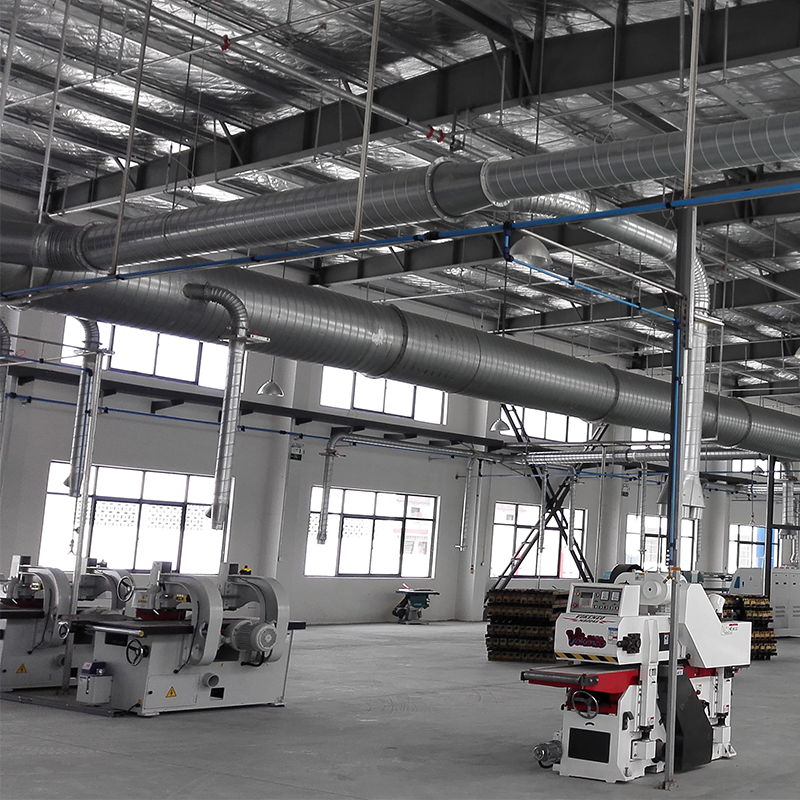
- Woodworking and Furniture Manufacturing: Effectively manages sawdust and wood flour, keeping facilities clean and recovering valuable raw material that can be repurposed for fuel or composite boards.
By implementing a high-quality dust collection system, facilities experience a marked improvement in overall operational health. Cleaner air directly correlates with reduced equipment maintenance, fewer worker sick days, and a significantly lower risk of regulatory penalties. Ultimately, a premium industrial bag filter dust collector is not merely an expense; it is a critical investment in the sustainable and profitable operation of any dust-generating industrial facility.