 English
 Español
 عربى
عربى
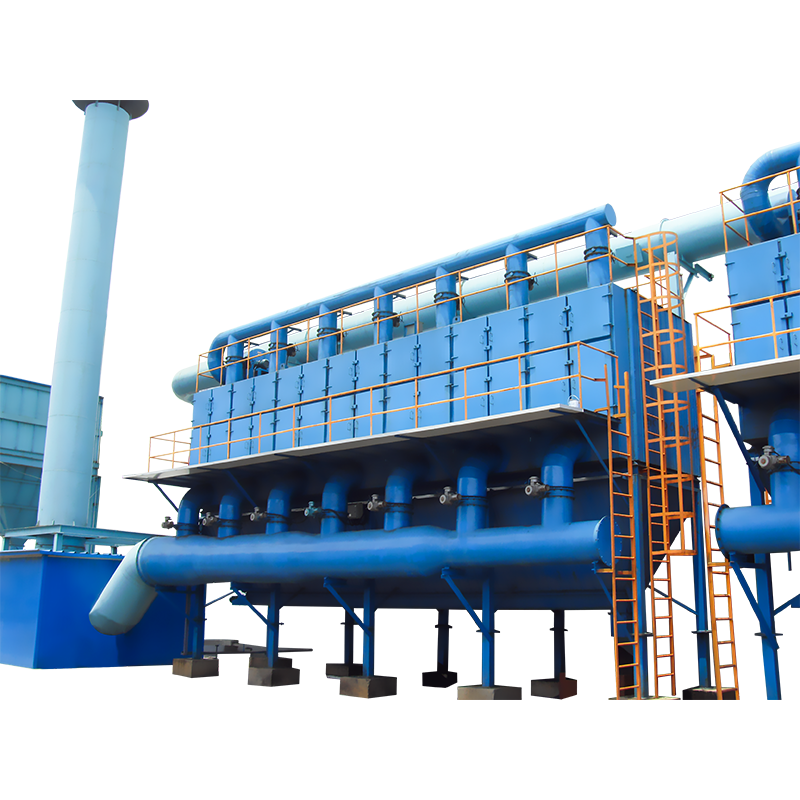
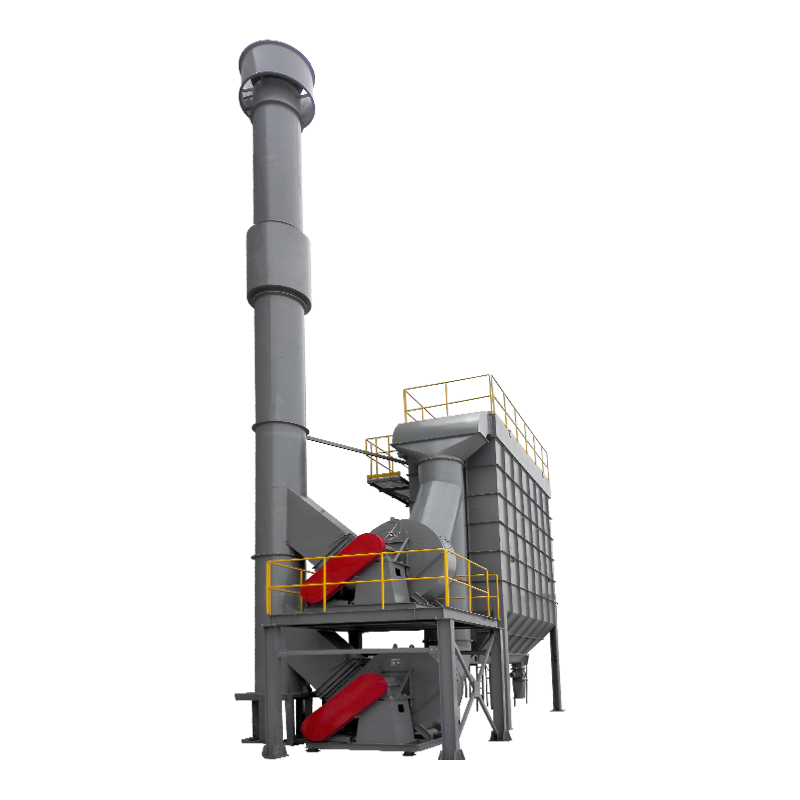
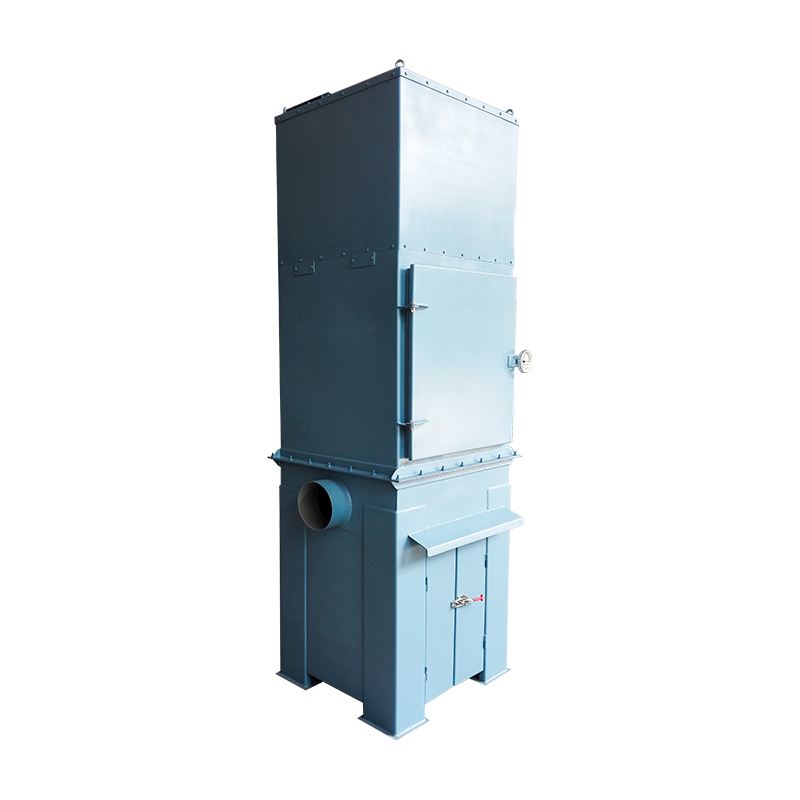
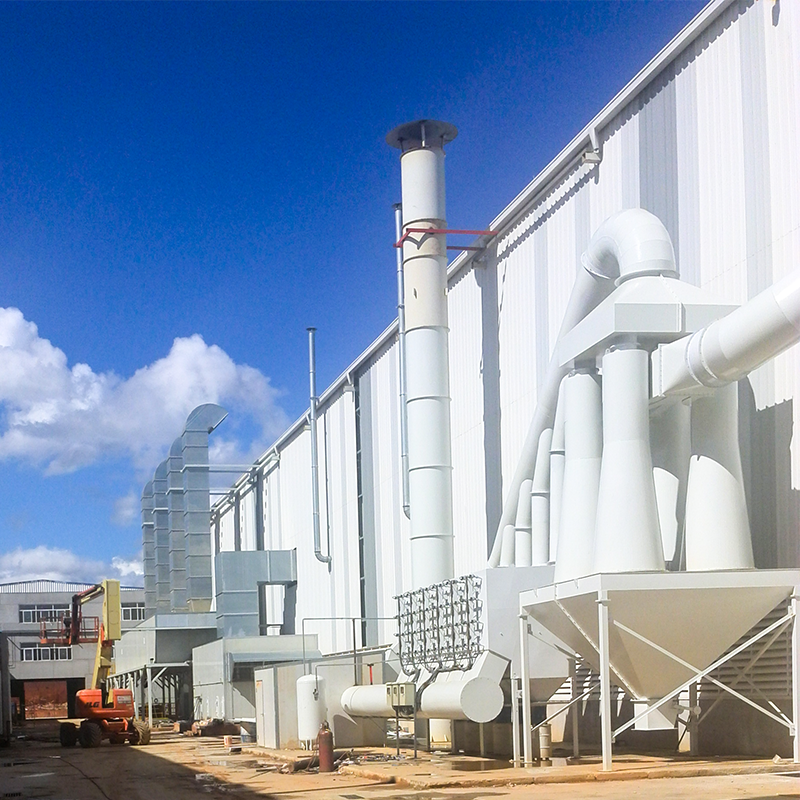
A bag type dust collector is an indispensable and highly efficient solution for grinding machines, designed specifically to capture fine airborne particulate matter through specialized fabric filters. By effectively separating hazardous grinding dust from the exhaust air stream, it maintains a pristine workshop environment, protects worker health, and prevents equipment degradation. Integrating a properly sized bag filtration system directly addresses the high-volume, fine-dust challenges inherent in abrasive grinding operations.
Why Grinding Machines Require Dedicated Dust Collection
Grinding processes, whether applied to metal, wood, or composite materials, inherently generate vast quantities of fine dust and particulate debris. These particles are not merely a housekeeping nuisance; they present severe occupational and operational hazards. When an abrasive wheel interacts with a workpiece, it shatters both the abrasive material and the substrate, producing microscopic particles that can easily become airborne.
Occupational Health Hazards
Inhaling fine grinding dust can lead to significant respiratory illnesses. Metal grinding, for instance, often produces particles containing heavy metals or toxic coatings. Prolonged exposure without adequate ventilation can result in chronic respiratory conditions, lung scarring, and systemic toxicity. A robust dust collection system acts as the primary engineering control to mitigate these airborne hazards at the source.
Operational and Safety Risks
Accumulated dust in a workshop creates secondary risks. Fine organic or metallic dust can become highly combustible under specific concentration and ignition conditions, leading to catastrophic dust explosions. Furthermore, abrasive dust settling on machinery can infiltrate moving parts, accelerating wear on precision components and leading to frequent breakdowns and costly maintenance cycles.
Working Principle of Bag Type Dust Collectors
Understanding the mechanics of a bag type dust collector is essential for appreciating its efficiency in grinding applications. The system relies on depth filtration, utilizing woven or felted fabric bags to trap dust while allowing clean air to pass through. The process involves several key physical mechanisms working in tandem.
- Inertial Impaction: Larger, heavier particles carried by the air stream possess enough inertia to break free from the air currents and collide directly with the fibers of the filter bag.
- Interception: Medium-sized particles follow the air stream closely but come into contact with filter fibers as they pass within one particle radius of the fiber's surface.
- Diffusion: Extremely fine particles, such as those generated by precision grinding, move randomly due to molecular collisions (Brownian motion), increasing their likelihood of colliding with and adhering to the filter media.
As dust accumulates on the surface of the bags, it forms a porous dust cake. This dust cake actually enhances filtration efficiency by acting as a secondary filter medium, capturing even finer particles than the bare fabric alone. To prevent excessive pressure drop, the system periodically cleans the bags—either through mechanical shaking or reverse-pulse jets—dropping the collected dust into a hopper for safe disposal.
Key Benefits of Using Bag Filters for Grinding Operations
Opting for a bag type system over other filtration methods offers several distinct advantages specifically suited to the rigorous demands of grinding machinery.
High Dust Holding Capacity
Grinding generates continuous, high-density dust loads. Bag filters provide a large surface area and depth volume, allowing them to hold significant amounts of particulate matter between cleaning cycles. This high capacity reduces the frequency of maintenance interventions and ensures uninterrupted grinding operations.
Versatility in Media Selection
The fabric used in bag filters can be customized based on the specific material being ground. Whether dealing with highly abrasive metals, sticky composites, or high-temperature alloys, there is a specialized filter media designed to withstand those specific conditions without degrading prematurely.
Cost-Effectiveness and Longevity
Bag filtration systems generally offer a lower initial investment and reduced long-term operational costs. The bags are durable, can withstand numerous cleaning cycles, and are relatively inexpensive to replace compared to complex cartridge systems. When properly maintained, bag filters can achieve a filtration efficiency exceeding 99%, ensuring compliance with strict industrial air quality regulations.
Essential Factors to Consider When Selecting a Dust Collector
Choosing the correct bag type dust collector requires evaluating the specific parameters of the grinding application. A mismatched system will either underperform or consume excessive energy.
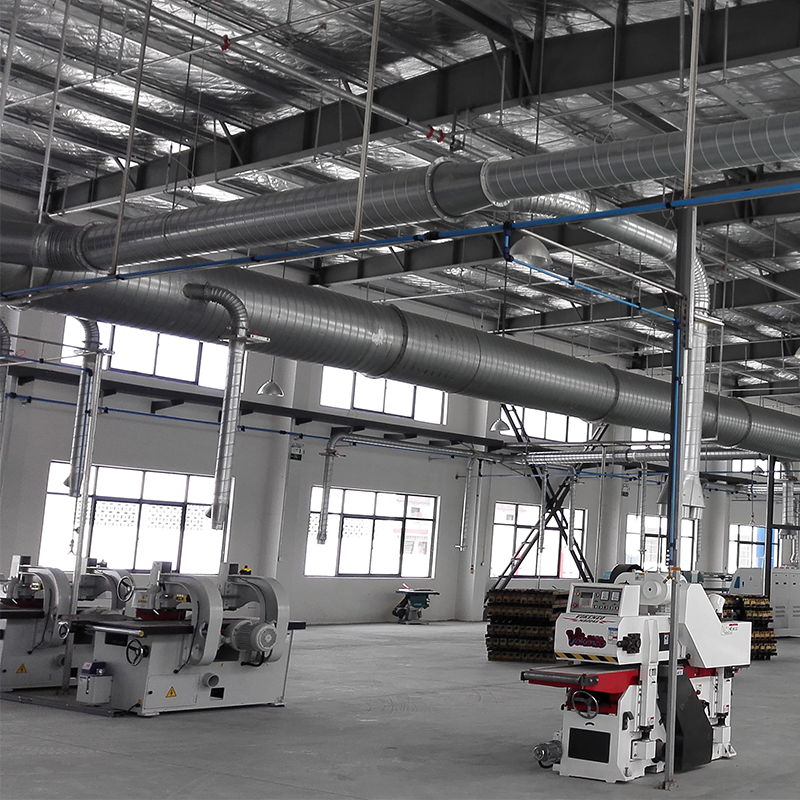
- Airflow Requirements (CFM): The collector must generate sufficient suction to capture dust at the grinding point. This is determined by the size of the grinding wheel, the enclosure design, and the required capture velocity.
- Filter Media Compatibility: The material of the bag must match the dust characteristics. For instance, grinding aluminum requires anti-static media to prevent static buildup, while hot grinding operations may require high-temperature resistant fabrics.
- Cleaning Mechanism: Evaluate whether a shaker-style (suitable for lighter loads or intermittent operation) or a pulse-jet style (ideal for heavy, continuous grinding) is more appropriate for the facility's workflow.
| Filter Media Type | Best Application | Key Characteristic |
|---|---|---|
| Standard Polyester | General metal grinding | Good durability and efficiency |
| Anti-Static Coated | Aluminum and titanium grinding | Prevents static sparks |
| Aramid Fibers | High-temperature steel grinding | Excellent heat resistance |
Maintenance and Optimization for Long-Term Performance
Even the most robust bag type dust collector will fail prematurely without a proactive maintenance strategy. Proper upkeep ensures consistent suction, optimal air quality, and maximized filter life.
Monitoring Pressure Drop
The differential pressure across the filter bags is the most critical metric to monitor. A sudden increase in pressure drop indicates that the bags are blinding or clogging, often due to excessive moisture or oil in the air stream. Conversely, a sudden drop in pressure may signal a torn or improperly seated filter bag, allowing dust to bypass the filtration stage.
Routine Inspection and Cleaning
Establish a regular schedule to inspect the dust collection hopper and empty it before dust reaches a level that could impede airflow or contact the filter bags. Verify that the pulse-jet cleaning system is functioning correctly by checking the compressed air pressure and ensuring the diaphragm valves are actuating properly. Periodic visual inspections of the clean air plenum can reveal early signs of bag failure through the presence of dust traces.
Common Challenges and Practical Solutions
Grinding applications often introduce specific variables that challenge standard dust collection systems. Anticipating these issues allows operators to implement effective countermeasures.
Moisture and Condensation
When grinding operations utilize coolants, or when ambient air is highly humid, moisture can infiltrate the dust collector. Wet dust turns into a paste, blinding the filter bags and rendering the cleaning mechanism ineffective. To combat this, facilities can install pre-coolers or moisture separators upstream of the collector, or utilize hydrophobic filter media specifically treated to repel water and oil.
Spark Ingestion and Fire Risk
Grinding metal produces high-temperature sparks that can travel through the ductwork and ignite the combustible dust cake inside the bags. To mitigate this severe hazard, integrating a spark arrestor or baffle plate at the inlet of the dust collector is highly recommended to extinguish sparks before they reach the filter media. Additionally, ensuring the entire system is properly grounded prevents static electricity from acting as an ignition source.