 English
 Español
 عربى
عربى
Home / News / Industry News / How do you choose an industrial dust collection system? Which is better: a cyclone, a baghouse, or a wet scrubber?
The fundamental conclusion regarding dust remover systems is that they are indispensable infrastructure for maintaining air quality, ensuring occupational safety, and achieving regulatory compliance in any environment where airborne particulate matter is generated. Without an effective system in place, fine particles can severely degrade air quality, pose significant health hazards to personnel, and compromise the operational efficiency of machinery. A dust remover system operates as the primary line of defense, actively capturing, filtering, and containing dust before it can disperse into the workspace or the external atmosphere. By understanding the core mechanics and practical applications of these systems, facilities can drastically reduce the risk of respiratory illnesses, prevent combustible dust incidents, and foster a cleaner, more productive industrial environment.
Working Principles of Dust Collection
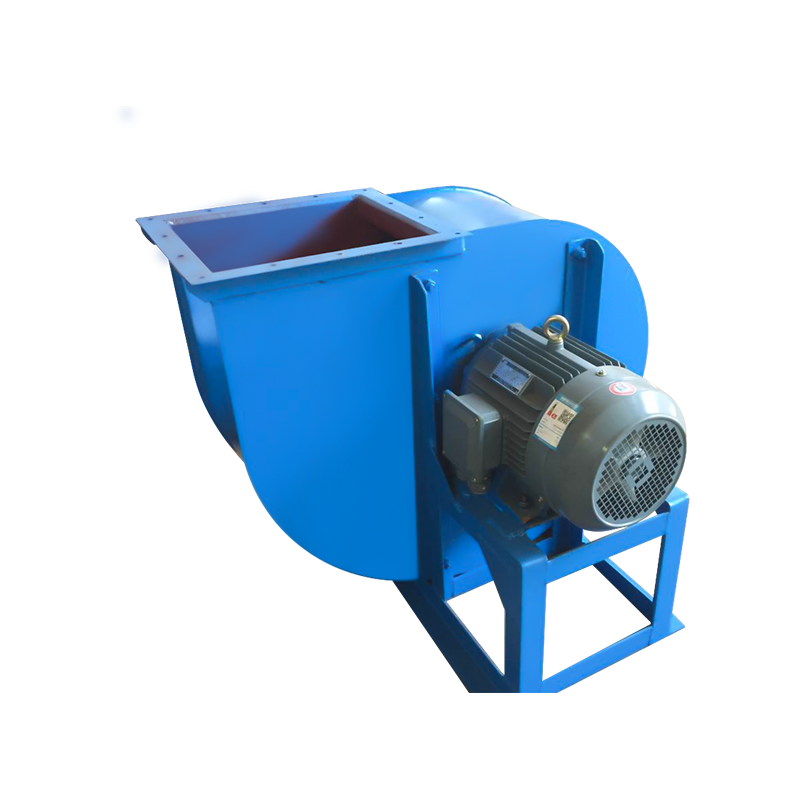
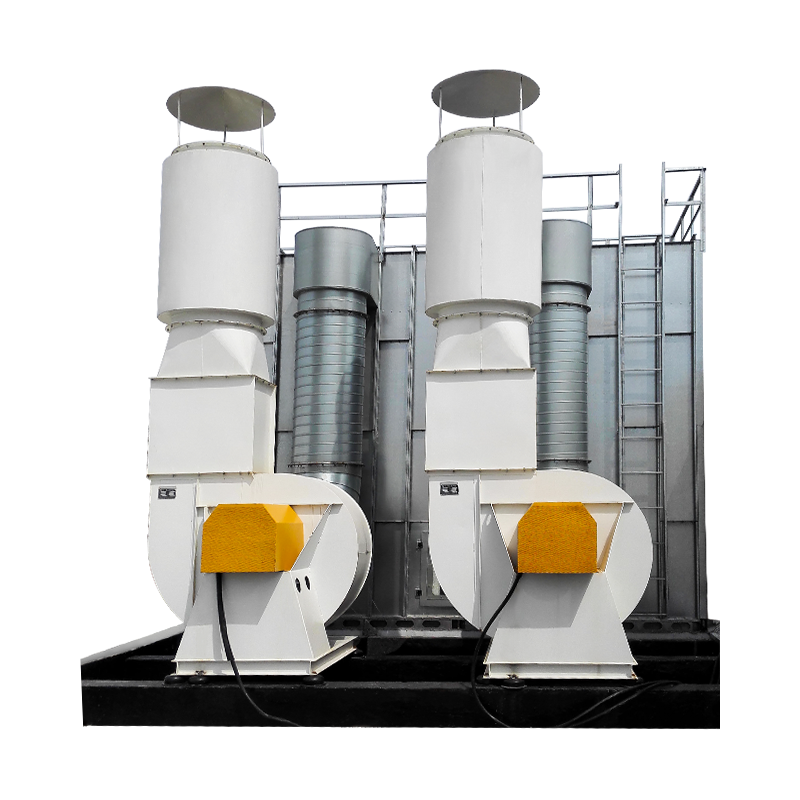
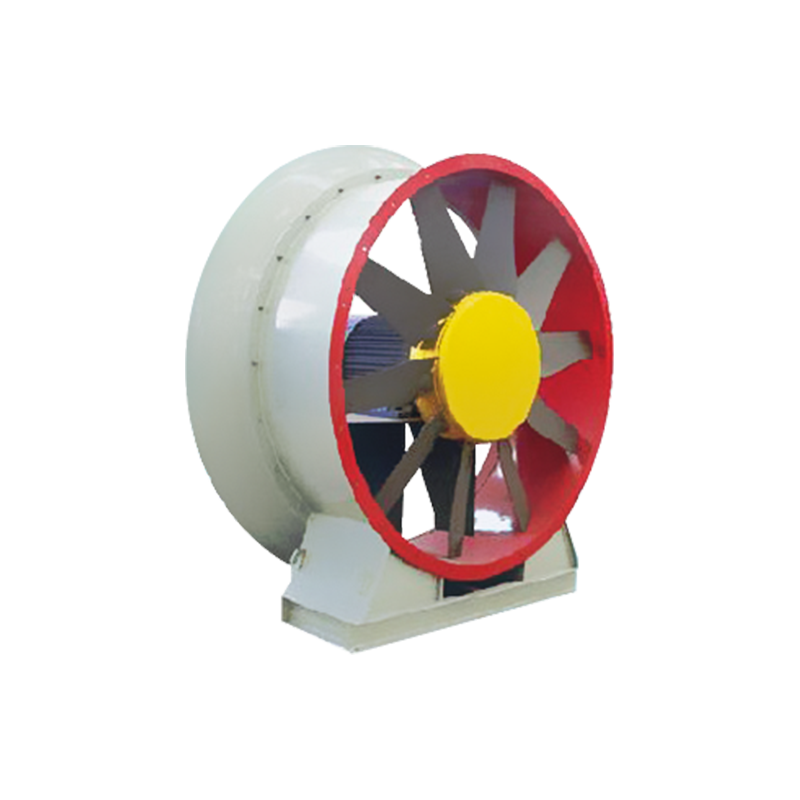
At its core, a dust remover system functions by generating a controlled airflow that captures airborne particles and transports them through a network of ducts to a filtration unit. The process relies on a pressure differential created by an industrial fan or blower. As the contaminated air is drawn into the system, it passes through various stages of filtration where particulates are separated from the air stream. The cleaned air is either recirculated back into the facility or safely exhausted outdoors, while the captured dust is collected in a receptacle for proper disposal or material recovery. The efficiency of this process depends heavily on the specific capture mechanism employed, which is tailored to the physical and chemical properties of the dust being handled.
Capture and Transport Mechanisms
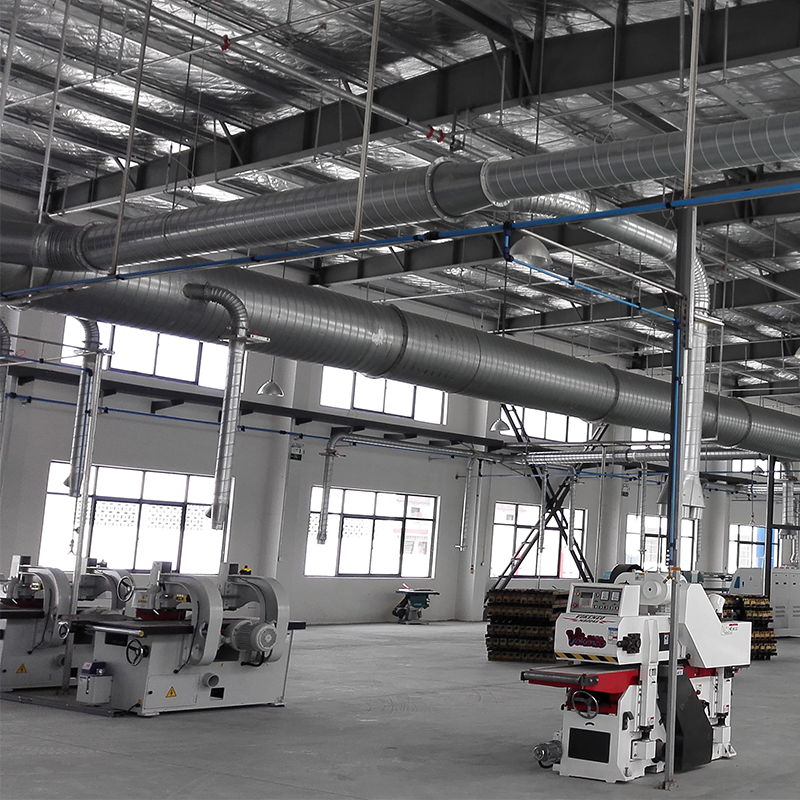
The initial stage of any dust removal process involves capturing the dust at its source. This is typically achieved through strategically placed hoods or enclosures that utilize capturing velocity to overcome the kinetic energy of the dust particles. Once captured, the particles must be transported through ductwork. Maintaining the correct transport velocity within the ducts is critical; if the velocity is too low, particles will settle and accumulate, potentially causing blockages or becoming a combustible hazard. If the velocity is too high, it can lead to excessive energy consumption and accelerated wear on the ductwork due to abrasive erosion. Engineering the system to maintain optimal airflow dynamics ensures that dust is reliably delivered to the filtration unit.
Primary Types of Dust Remover Systems
Selecting the appropriate dust remover system requires a thorough understanding of the different technologies available, as each is optimized for specific particle sizes, concentrations, and industrial applications. The wrong selection can lead to excessive maintenance costs, inadequate filtration, and regulatory violations. Below is a comparison of the most commonly utilized systems in industrial settings.
| System Type | Filtration Mechanism | Optimal Particle Size | Typical Applications |
|---|---|---|---|
| Cyclone Collectors | Centrifugal Force | Coarse to Medium | Woodworking, Pre-filtration |
| Baghouse Filters | Surface Filtration via Fabric | Fine Particulates | Cement, Metallurgy |
| Wet Scrubbers | Liquid Absorption | Fine and Sticky Dust | Chemical Processing |
| Electrostatic Precipitators | Electrostatic Charge | Extremely Fine | Power Generation |
Cyclone Collectors
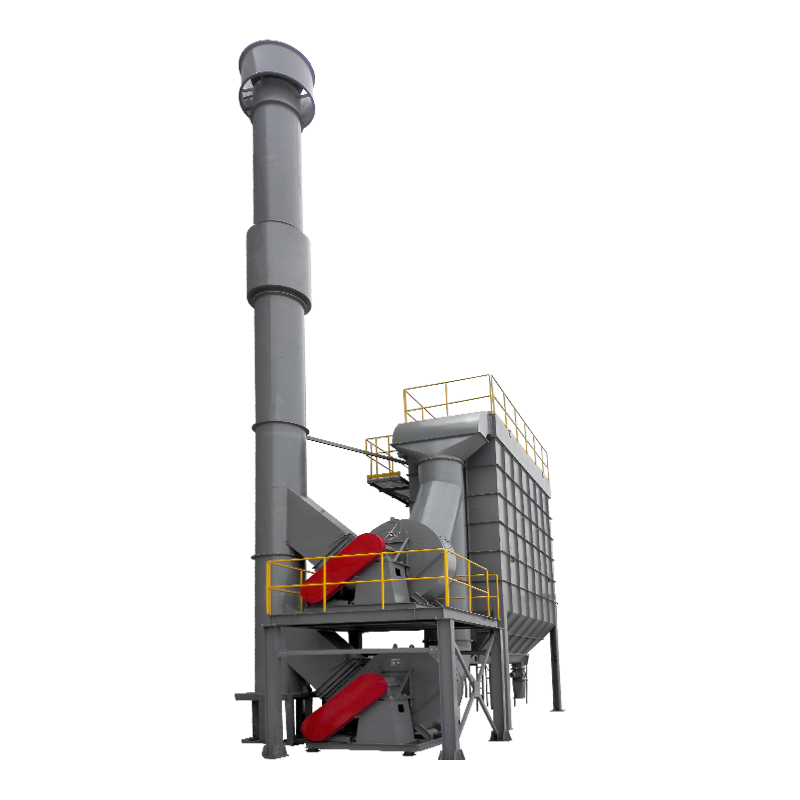
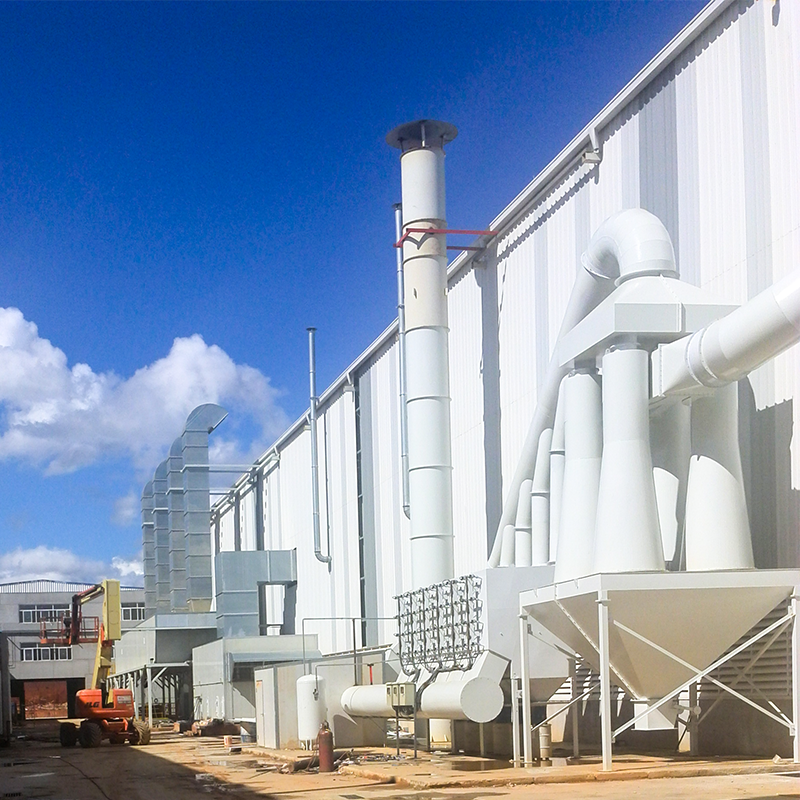
Cyclone collectors utilize the principle of inertia to separate dust from the air stream. When the contaminated air enters the cylindrical chamber, it is forced into a spiral motion. The heavier particles are pushed against the walls by centrifugal force and slide down into a collection hopper, while the cleaner air exits through the top. Because they have no moving parts or filter media, cyclones are highly durable and require minimal maintenance. However, they are generally ineffective for capturing very fine particles and are often used as pre-cleaners to reduce the load on a secondary, high-efficiency filtration system.
Baghouse Filters
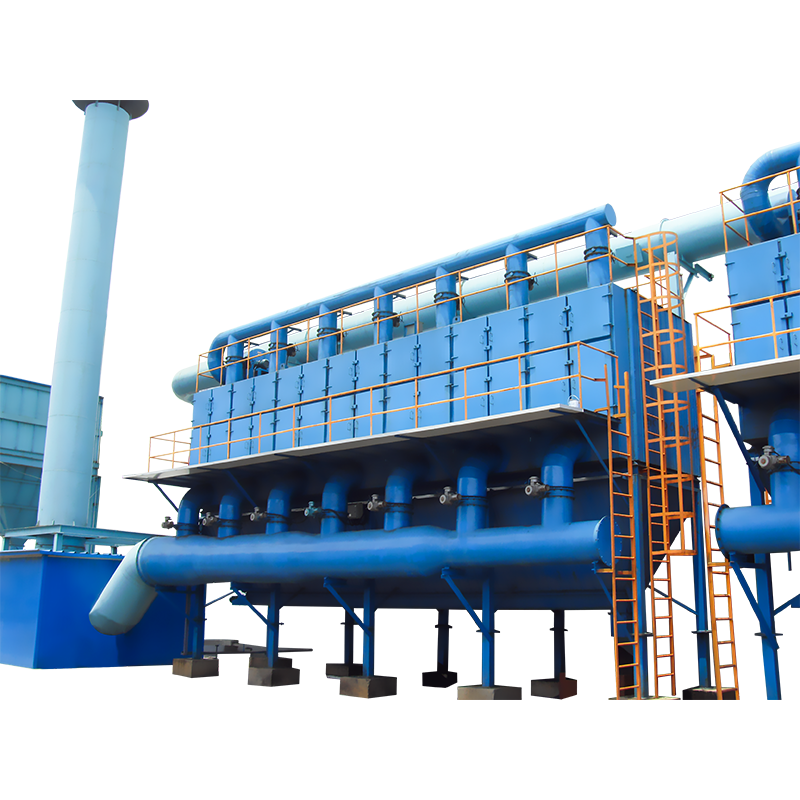
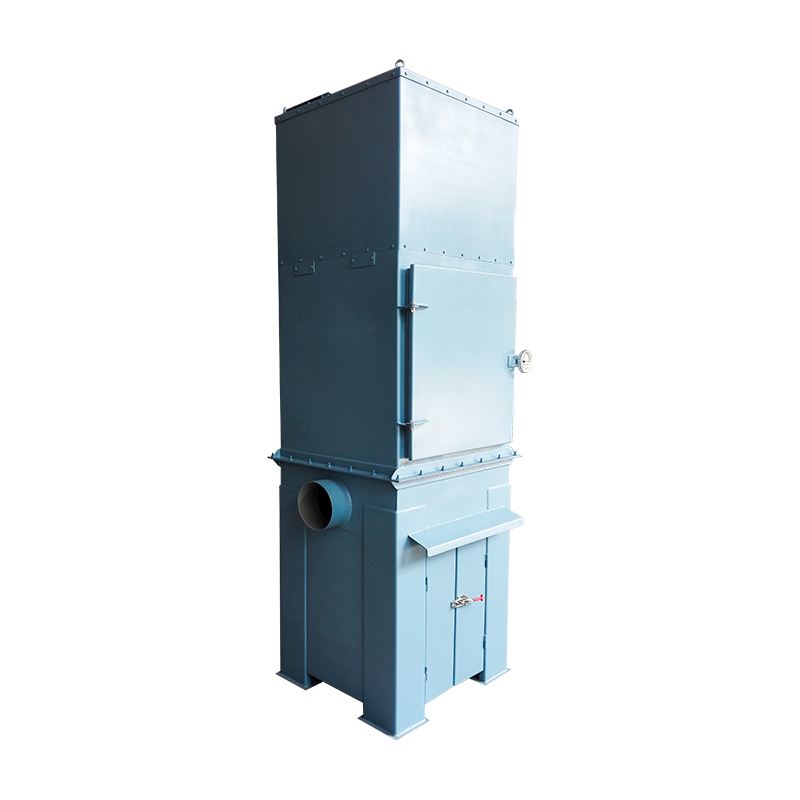
Baghouse systems are among the most versatile and widely deployed dust remover systems, capable of achieving extremely high filtration efficiencies. They operate by forcing the dusty air through a porous fabric filter, typically shaped like a cylindrical bag. Particulates are trapped on the surface of the fabric, forming a dust cake that actually enhances filtration efficiency. To prevent excessive pressure drop, the system periodically cleans the bags using mechanisms such as pulse-jet compressed air, mechanical shaking, or reverse air flow. Baghouse filters are highly effective for capturing sub-micron particles, making them essential in industries where strict emission limits must be met.
Wet Scrubbers
Wet scrubbers represent a fundamentally different approach to dust removal by using a liquid—usually water—to wash the particulate matter out of the gas stream. The contaminated air is brought into contact with the scrubbing liquid through various designs, such as venturi scrubbers or spray towers. The dust particles impinge on the water droplets and are washed away. This technology is particularly advantageous when handling combustible, sticky, or highly humid dusts that would clog or pose a fire risk in dry filter systems. The primary drawback is the generation of wastewater, which requires subsequent treatment before disposal.
Electrostatic Precipitators
Electrostatic precipitators (ESPs) use electrical energy to charge dust particles and then collect them on oppositely charged plates. As the gas stream passes through an ionization field, the particles receive a negative charge. These charged particles are then attracted to grounded collecting electrodes, where they accumulate. Periodically, the plates are rapped or washed, causing the dust to fall into hoppers. ESPs can handle very large volumes of gas with minimal pressure drop, making them highly energy-efficient for continuous operations. Their primary limitation is the high initial capital cost and reduced efficiency if the dust properties, such as electrical resistivity, fluctuate significantly.
Industrial Applications and Use Cases
The necessity for dust remover systems spans a vast array of industries, each presenting unique challenges regarding dust characteristics, volume, and associated risks. Understanding these specific applications highlights the practical importance of selecting and maintaining the correct system.
- Woodworking and Furniture Manufacturing: Processes such as sawing, sanding, and planing generate substantial volumes of coarse and fine wood dust. This dust is not only a respiratory irritant but also presents a severe combustible hazard. Cyclone collectors followed by baghouse filters are standard practice here.
- Metalworking and Welding: Grinding, cutting, and welding operations produce metallic fumes and fine abrasive dust. Without localized capture hoods and high-efficiency filtration, workers are at high risk for metal fume fever and long-term pulmonary conditions.
- Chemical and Pharmaceutical Processing: These industries frequently handle highly potent, toxic, or hygroscopic powders. Wet scrubbers or specialized containment baghouse systems with HEPA filtration are mandatory to prevent cross-contamination and protect operators from hazardous exposure.
- Food and Agriculture: Grain handling, milling, and spice processing generate organic dusts that are often combustible. Dust remover systems in these sectors must meet strict sanitary standards while preventing dust explosions through proper grounding and explosion venting.
Combustible Dust Safety Considerations
One of the most critical reasons for implementing a dust remover system is the mitigation of combustible dust hazards. When fine organic or metallic particles are suspended in the air within a confined space and encounter an ignition source, a deflagration can occur. A primary explosion can shake loose accumulated dust on overhead surfaces, fueling a secondary explosion that is often far more destructive. An effectively designed dust remover system minimizes the accumulation of dust in the workspace, controls the concentration of airborne dust, and eliminates potential ignition sources within the system itself. Furthermore, modern systems must incorporate explosion protection measures such as explosion vents, flameless venting, isolation valves, and spark detection systems to ensure that an incident within the collector does not propagate back into the facility.
Risk Assessment Strategies
Conducting a comprehensive dust hazard analysis is the foundation of combustible dust safety. This involves testing the dust to determine its Kst value (deflagration index) and Pmax (maximum explosion pressure), which dictate the severity of a potential explosion. The analysis must also identify areas where dust accumulates, assess the effectiveness of current cleaning protocols, and evaluate the dust remover system's capacity to handle the specific particulate. By systematically evaluating these factors, facilities can implement targeted engineering controls and administrative procedures to mitigate explosion risks.
Key Factors in System Selection
Choosing the correct dust remover system is a complex engineering decision that goes beyond simply matching a fan to a machine. An improperly specified system will result in inadequate capture, frequent maintenance downtime, and excessive operational costs. Decision-makers must evaluate the physical and chemical properties of the dust, the required air volumes, and the spatial constraints of the facility.
- Air Volume and Velocity Requirements: The system must generate sufficient capture velocity at the source to pull the dust away from the operator's breathing zone. Additionally, the transport velocity within the ductwork must be high enough to keep the particles suspended until they reach the collector.
- Dust Characteristics: Factors such as particle size distribution, abrasive qualities, moisture content, and stickiness directly influence the choice of filter media and collector type. For instance, highly abrasive dust requires heavier gauge ductwork and wear-resistant cyclones.
- Discharge and Disposal Methods: The way collected dust is removed from the system is crucial for continuous operation. Rotary airlocks, dump valves, and continuous drum systems must be matched to the dust volume and flowability to prevent air leaks and material bridging.
- Energy Consumption: Dust collection systems are significant energy consumers. Selecting a system with variable frequency drives and optimized fan curves can drastically reduce electricity usage during partial load conditions.
Installation Best Practices
The performance of a dust remover system is only as good as its installation. Even the most advanced filtration unit will fail to perform if the ductwork design and installation are flawed. Proper engineering ensures that the system operates efficiently, maintains balanced airflow, and minimizes long-term wear.
Ductwork Design
Ductwork must be designed with smooth, gradual bends rather than sharp elbows to minimize pressure drop and prevent abrasive wear. The routing should be as straight and short as possible to reduce static pressure losses. Furthermore, the system must be meticulously sealed; unsealed joints allow conditioned facility air to be drawn into the system, wasting energy and reducing the capture velocity at the dust source.
Source Capture Enclosures
Effective dust removal begins at the source. Designing the capture hood or enclosure requires a deep understanding of how the dust is generated and its initial trajectory. An external hood must overcome cross-drafts and capture the dust before it disperses, while an enclosing hood physically contains the contaminant. Ensuring that the hood is positioned correctly and sized appropriately is the most cost-effective way to improve overall system performance.
System Maintenance and Optimization
Routine maintenance is essential to ensure the longevity and sustained efficiency of a dust remover system. Over time, filter media degrades, ductwork can develop leaks or accumulate material, and mechanical components wear out. Establishing a proactive maintenance schedule prevents unexpected shutdowns and ensures that emission levels remain within regulatory limits.
Filter Monitoring and Replacement
The condition of the filter media is the most critical determinant of system performance. As filters load with dust, the pressure drop across them increases. Monitoring the pressure drop across the filter bank is the most reliable method for determining when cleaning cycles are insufficient and replacement is necessary. Operating filters beyond their optimal lifespan forces the fan to work harder, increasing energy consumption and potentially leading to filter rupture, which would release concentrated dust back into the facility.
Structural Integrity Checks
Vibration from the fan and the constant flow of abrasive particles can degrade the physical structure of the collector over time. Regular inspections should focus on checking the ductwork for abrasion holes, inspecting the fan impeller for imbalance or wear, and ensuring that the collector housing is structurally sound. In systems handling combustible dust, maintaining the integrity of explosion relief panels and isolation valves is paramount for safety.
Future Trends in Dust Removal Technology
The field of dust collection is evolving rapidly, driven by stricter environmental regulations and the demand for smarter, more energy-efficient industrial processes. Modern facilities are increasingly moving away from purely reactive systems toward intelligent, data-driven infrastructure.
One significant trend is the integration of Industrial Internet of Things (IIoT) sensors directly into the dust remover system. These sensors continuously monitor parameters such as airflow, static pressure, and fan vibration in real-time. By analyzing this data, facilities can implement predictive maintenance strategies, addressing potential failures before they cause unplanned downtime. Furthermore, automated variable frequency drives adjust the fan speed based on the actual dust generation at any given moment, which can reduce energy consumption significantly compared to running the system at maximum capacity continuously. The development of advanced nanofiber filter media is also pushing the boundaries of efficiency, allowing systems to capture ultrafine particles with lower pressure drops, thereby reducing both operational costs and environmental impact.