 English
 Español
 عربى
عربى
Home / News / Industry News / How does a pulse jet collection system machine achieve online filter cleaning without shutdown?
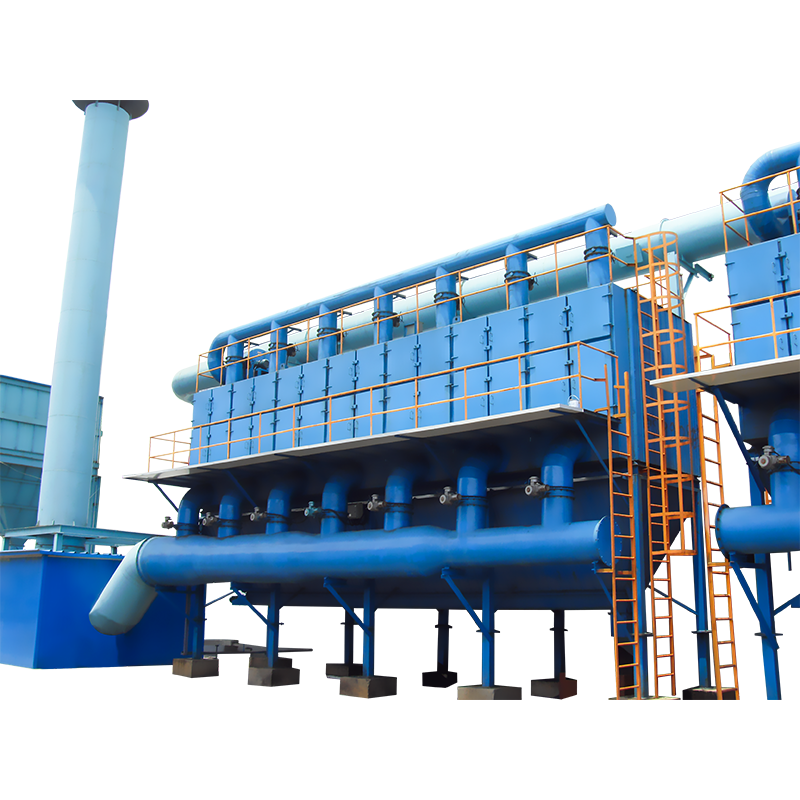
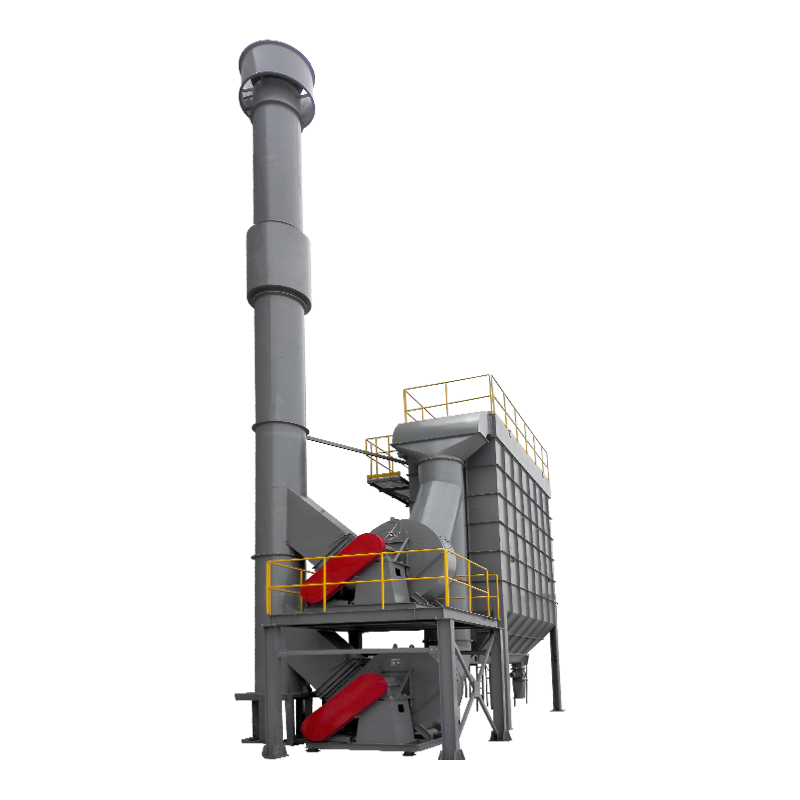
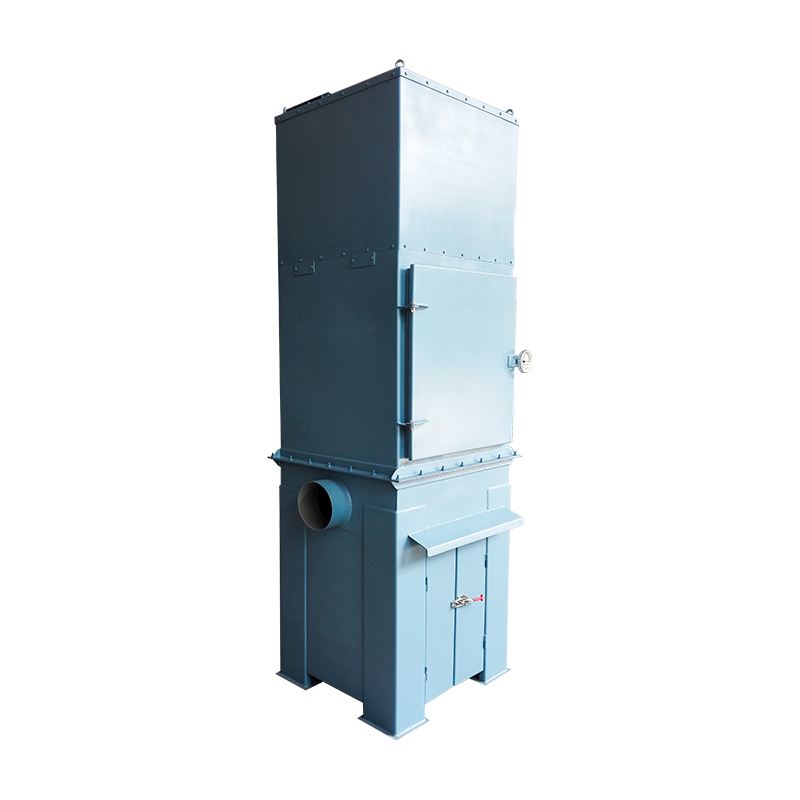
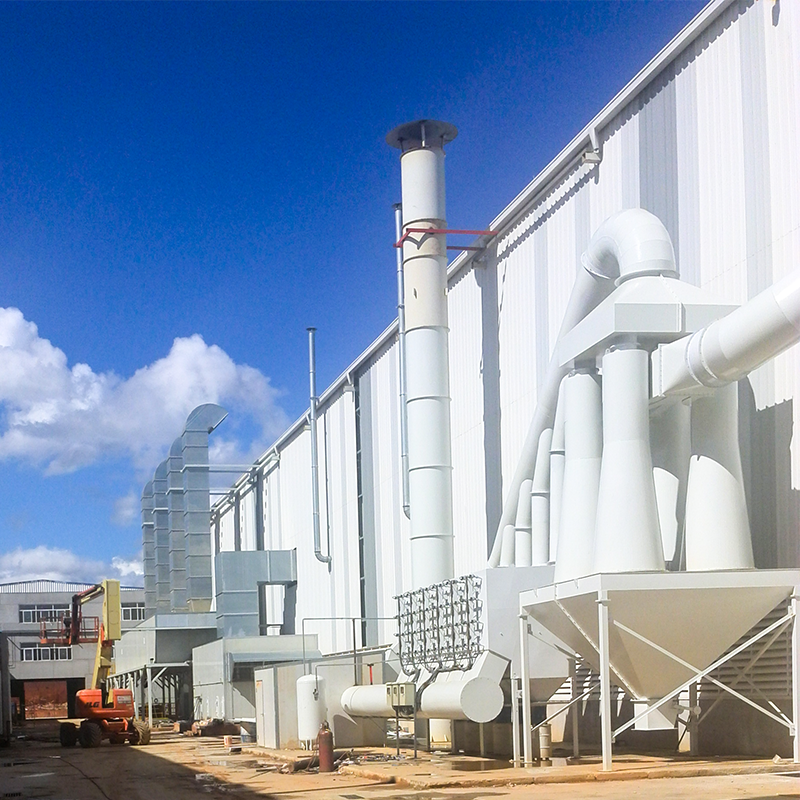
The pulse jet collection system machine is a high-efficiency industrial dust removal and particle collection device with automatic online cleaning function, which is the core equipment for controlling industrial dust emissions and recovering fine particles. It can maintain stable collection efficiency under continuous working conditions, and the overall dust removal efficiency can reach more than 99%, far exceeding the performance of traditional natural dust collection and mechanical vibration dust removal equipment. This equipment is widely used in manufacturing, processing, and production links involving dust and particles, and has become an indispensable environmental protection and production auxiliary device in modern industry.
Unlike traditional dust collection systems that require shutdown for cleaning, the pulse jet collection system machine can complete filter bag cleaning without interrupting the production process, which greatly improves production continuity and reduces equipment maintenance costs. Its core advantage lies in the combination of pulse jet air flow and high-performance filter materials, which can quickly remove dust attached to the surface of filter elements, ensuring that the equipment always maintains low resistance and high-efficiency operation. For industrial sites with high dust concentration and continuous operation, this equipment is the most cost-effective and practical dust collection solution at present.
Working Principle of Pulse Jet Collection System Machine
The operating principle of the pulse jet collection system machine is based on negative pressure ventilation, filter interception, and high-pressure pulse jet cleaning, forming a complete closed-loop working system. The entire working process is divided into three core stages: dust collection, filter interception, and online cleaning, which are carried out sequentially and circularly to ensure long-term stable operation of the equipment.
Dust Collection and Negative Pressure Conveying Stage
The equipment generates stable negative pressure through the built-in high-pressure fan, which sucks the air mixed with dust and particles from the production area into the equipment chamber through the dust collection hood and pipeline. During the conveying process, large-particle dust will settle to the bottom ash hopper under the action of gravity, realizing primary separation and reducing the filtration pressure of the rear filter element.
Filter Interception and Purification Stage
After primary separation, the air containing fine dust enters the filter area. The dust particles are intercepted on the outer surface of the filter bag or filter cartridge by the high-density filter material, and the purified air passes through the filter layer and is discharged from the air outlet. With the extension of working time, the dust layer on the filter surface gradually thickens, and the air resistance of the equipment increases accordingly, which will trigger the automatic cleaning program.
Pulse Jet Online Cleaning Stage
When the system resistance reaches the set threshold, the pulse jet controller starts automatically. It controls the electromagnetic pulse valve to release high-pressure compressed air of 0.4-0.6 MPa instantaneously, and the air flow is sprayed into the filter bag at a high speed through the jet pipe. The instantaneous air flow impact makes the filter bag vibrate rapidly, and the dust attached to the surface falls off into the ash hopper, completing the cleaning process. The whole cleaning process only takes a few seconds, and the equipment can still work normally during cleaning, truly realizing online maintenance.
Core Components and Structural Composition
The pulse jet collection system machine is composed of multiple functional components, each component plays an irreplaceable role, and the cooperation between components determines the overall performance and service life of the equipment. The following is a detailed introduction to the core components:
Key Functional Components
- Filter element assembly: The core component for dust interception, mainly including filter bags and filter cartridges, made of chemical fiber, polyester, and other high-efficiency filter materials
- Pulse cleaning system: Including air bag, electromagnetic pulse valve, jet pipe, and controller, responsible for automatic cleaning of filter elements
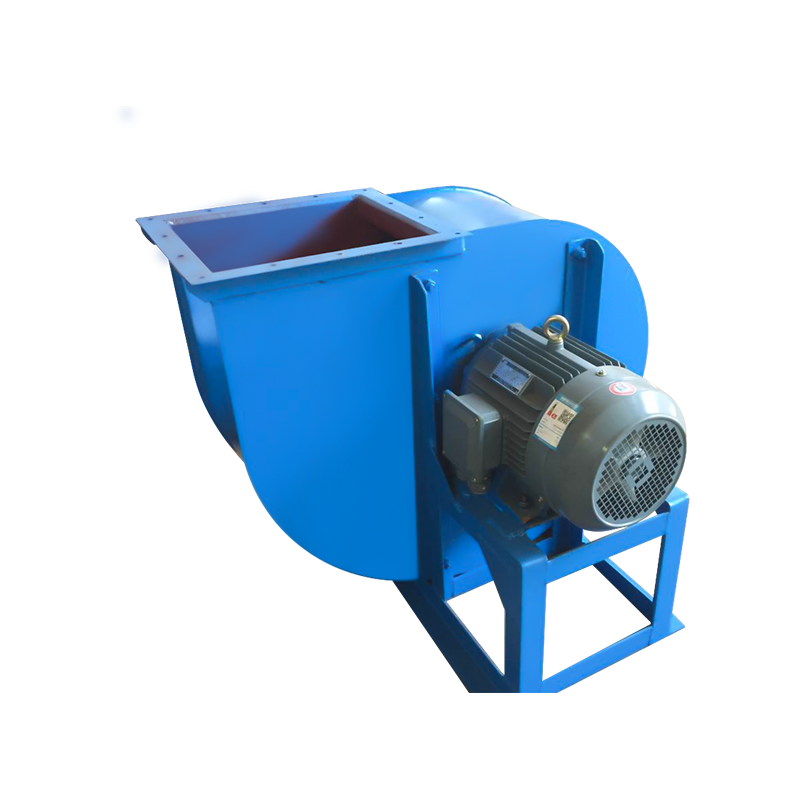
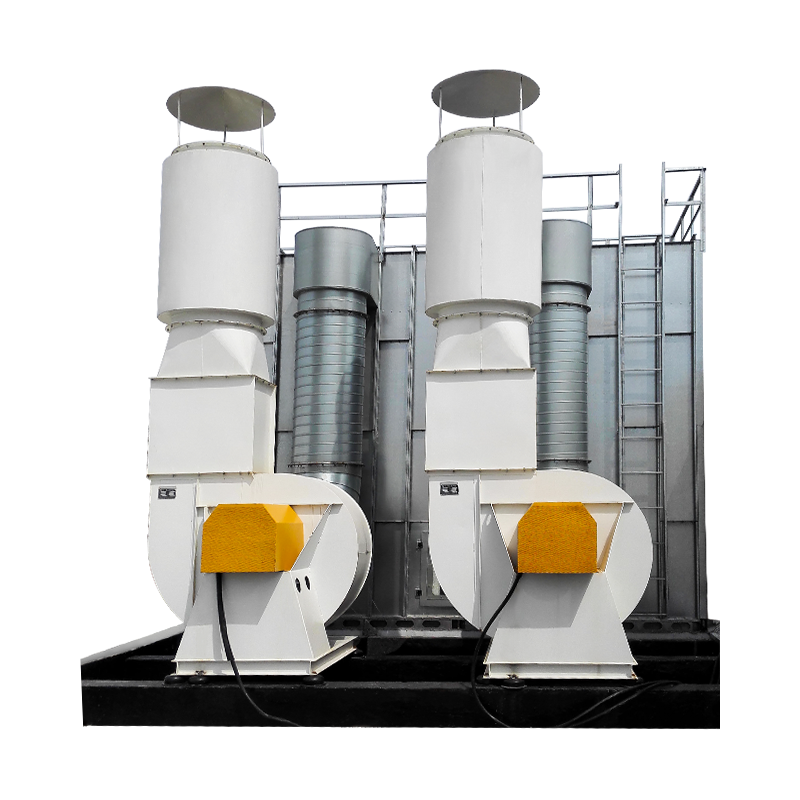
- Negative pressure power system: High-pressure centrifugal fan, providing stable suction power for dust collection
- Ash discharge system: Including ash hopper and ash discharge device, used to collect and discharge cleaned dust
- Control system: PLC or time-delay controller, used to set cleaning frequency, pressure monitoring, and automatic operation
Structural Performance Comparison of Core Components
| Component Type | Advantages | Application Scenarios |
|---|---|---|
| Filter Bag | Large filtering area, high dust holding capacity | High dust concentration industrial sites |
| Filter Cartridge | Small size, easy installation and replacement | Compact space dust collection |
| Pulse Valve | Fast response, stable jet effect | Automatic online cleaning system |
Key Performance Advantages
Compared with traditional dust collection equipment, the pulse jet collection system machine has obvious performance advantages, which are reflected in efficiency, stability, economy, and environmental protection. These advantages make it the preferred solution for industrial dust control.
High Dust Removal Efficiency
The equipment adopts high-precision filter materials and efficient jet cleaning technology, and the dust removal efficiency for fine particles below 1 micron can reach more than 99%. It can effectively capture wood dust, metal powder, chemical particles, cement dust, and other pollutants, fully meeting the strict industrial emission standards.
Online Continuous Operation
The biggest feature of pulse jet technology is that it can realize online cleaning without shutdown. Traditional dust collectors need to stop production for manual cleaning, which seriously affects production efficiency, while this equipment can complete filter cleaning during operation, ensuring 24-hour uninterrupted operation of the production line, and greatly improving production efficiency.
Low Operating Cost and Long Service Life
The automatic cleaning system reduces the frequency of manual maintenance, and the optimized air path design reduces the energy consumption of the fan. Under normal working conditions, the service life of filter elements can reach 6-24 months according to different use environments, and the overall operating cost is reduced by more than 30% compared with traditional equipment.
Wide Adaptability and Strong Stability
The equipment can be adjusted for different dust properties, concentrations, and working conditions, and can adapt to high-temperature, high-humidity, corrosive, and other special industrial environments. The intelligent control system can automatically adjust the cleaning frequency according to the operating resistance, ensuring that the equipment always maintains the best operating state.
Industrial Application Fields
The pulse jet collection system machine has excellent adaptability and is widely used in various industrial fields involving dust generation. It not only meets environmental protection requirements but also helps enterprises recover valuable particles and improve production safety and product quality.
Wood Processing and Furniture Manufacturing
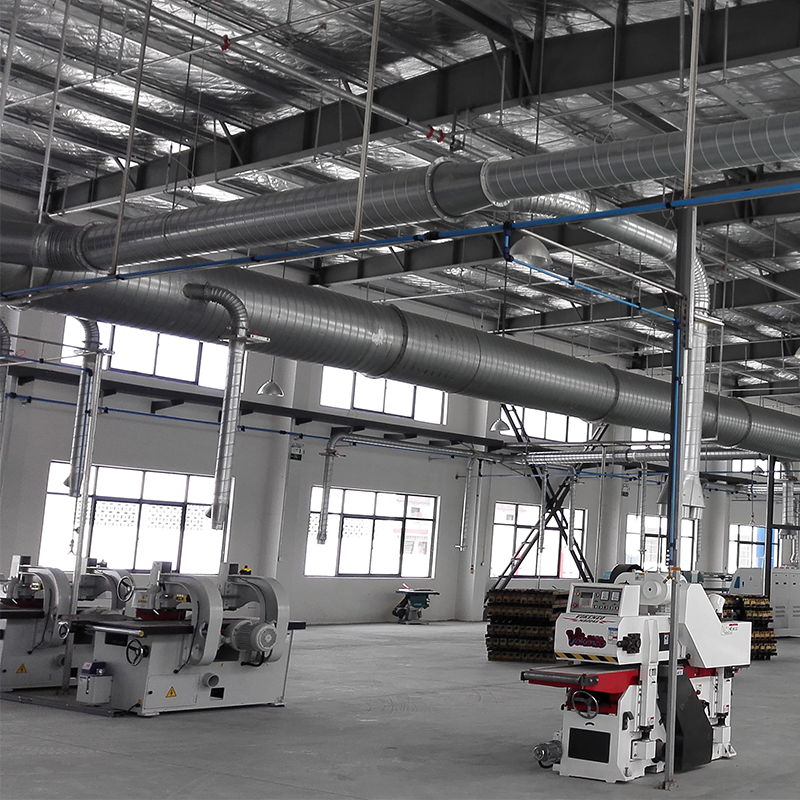
In wood cutting, sanding, milling, and other processes, a large amount of wood dust will be generated. The pulse jet collection system can efficiently collect wood dust, prevent dust explosion risks, and meet the fire safety standards of woodworking workshops. At the same time, the collected wood chips can be reused as raw materials, realizing resource recycling.
Metal Processing and Manufacturing
Grinding, polishing, welding, and cutting operations in the metal industry will produce metal particles and oxide dust. The equipment can effectively collect harmful metal dust, protect the health of operators, reduce equipment wear caused by dust, and extend the service life of mechanical equipment.
Building Materials and Chemical Industry
Cement, ceramics, plastic, paint, and other production processes will produce a large number of chemical and mineral particles. The pulse jet collection system is the key equipment to control dust emissions in these industries, which can meet the national environmental protection emission standards and avoid environmental pollution caused by dust.
Food and Pharmaceutical Industry
In the processing of powder raw materials in food and pharmaceutical factories, dust leakage and cross-contamination are easy to occur. This equipment can realize dust-free production, ensure product hygiene and safety, and recover valuable powder raw materials to reduce production losses.
Operation, Maintenance and Troubleshooting
Standardized operation and regular maintenance are the keys to ensuring the long-term stable operation of the pulse jet collection system machine, which can not only maintain high dust removal efficiency but also extend the service life of the equipment and reduce the failure rate.
Daily Operation Specifications
Before starting the equipment, check the air pressure of the compressed air system to ensure it is maintained at 0.4-0.6 MPa; check the integrity of the filter element and the tightness of the pipeline; set the cleaning time and interval reasonably according to the dust concentration. During operation, monitor the pressure gauge data in real time. Abnormal pressure indicates that the equipment has a blockage or air leakage fault and needs to be checked in time.
Regular Maintenance Items
- Clean the ash hopper regularly to prevent dust accumulation and blockage
- Inspect the electromagnetic pulse valve monthly to replace damaged parts in time
- Check the wear of the filter element every quarter and replace the failed filter element
- Lubricate the fan bearings regularly to ensure stable operation of the power system
- Calibrate the control system parameters every six months to optimize the cleaning effect
Common Faults and Solutions
The most common fault is insufficient cleaning effect, which is mostly caused by low compressed air pressure or blocked pulse valve. The solution is to adjust the air pressure to the standard value and clean the blocked pipeline. If the dust collection effect is reduced, it is usually caused by damaged filter element or air leakage in the pipeline, and the damaged parts need to be replaced and the pipeline sealed. If the equipment noise increases, check the fan balance and bearing lubrication to eliminate mechanical wear faults.
Selection and Configuration Optimization
Reasonable selection and configuration optimization can maximize the performance of the pulse jet collection system machine and avoid resource waste or insufficient performance caused by improper selection.
The primary basis for selection is the dust concentration, particle size, and properties of the use site. For high-concentration and large-particle dust, choose a filter bag structure with a large filtering area; for fine and corrosive dust, choose a filter material with anti-corrosion and high-precision performance. The air volume configuration should be 10%-20% higher than the actual demand to reserve a sufficient safety margin and adapt to the fluctuation of working conditions.
The setting of the pulse cleaning system is also very critical. For high dust concentration, shorten the cleaning interval appropriately; for low dust concentration, extend the cleaning interval to reduce air consumption and component wear. The intelligent control system with pressure difference monitoring can automatically adjust the cleaning strategy according to the actual operating state of the equipment, realizing energy-saving and efficient operation.
Development Trend and Technical Innovation
With the improvement of global environmental protection standards and the development of intelligent manufacturing technology, the pulse jet collection system machine is constantly upgrading and innovating, and its development trend is mainly reflected in intelligence, energy saving, high efficiency, and material upgrading.
Intelligent control is the core development direction. The new equipment is equipped with an IoT monitoring system, which can realize remote monitoring, fault early warning, and automatic parameter adjustment. Operators can check the operating status of the equipment in real time through the terminal, greatly improving the convenience of management.
Energy-saving technology is widely used. The optimized fan structure and air path design reduce energy consumption by more than 15% on the premise of ensuring air volume; the variable-frequency pulse cleaning technology reduces compressed air consumption and lowers operating costs. At the same time, the new high-performance filter materials have higher dust removal efficiency and longer service life, further enhancing the core competitiveness of the equipment.
In the future, the pulse jet collection system machine will develop in the direction of integration, modularization, and greening, and will be more widely used in emerging industrial fields, becoming an important support for industrial environmental protection and intelligent production.