 English
 Español
 عربى
عربى
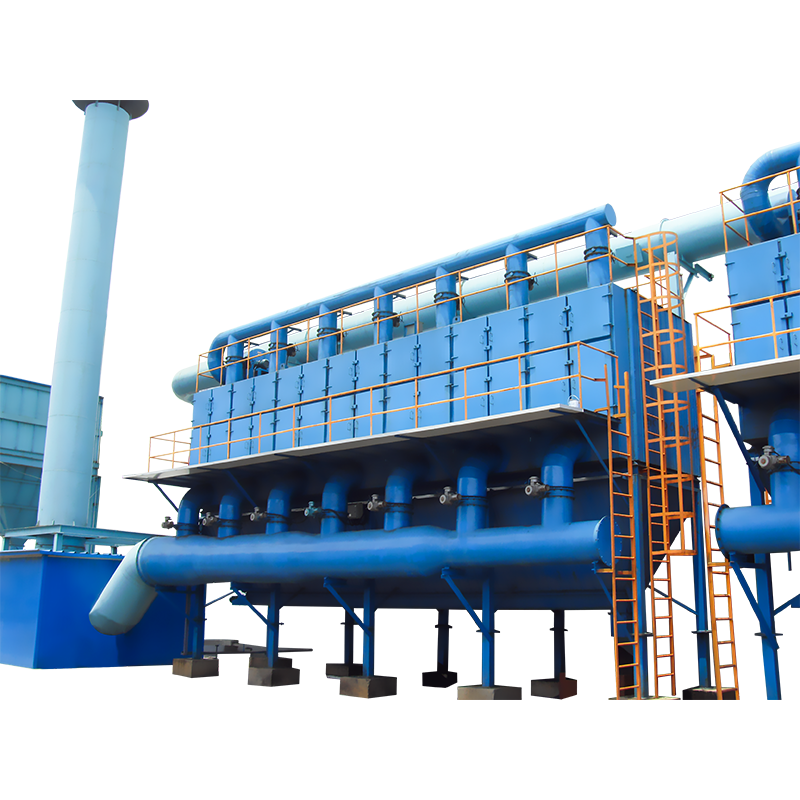
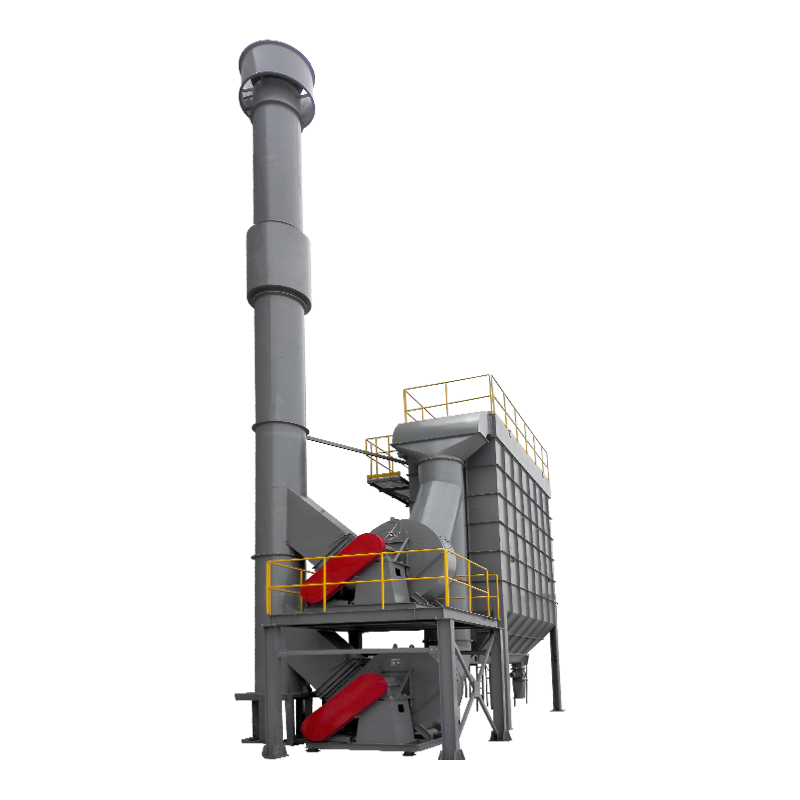
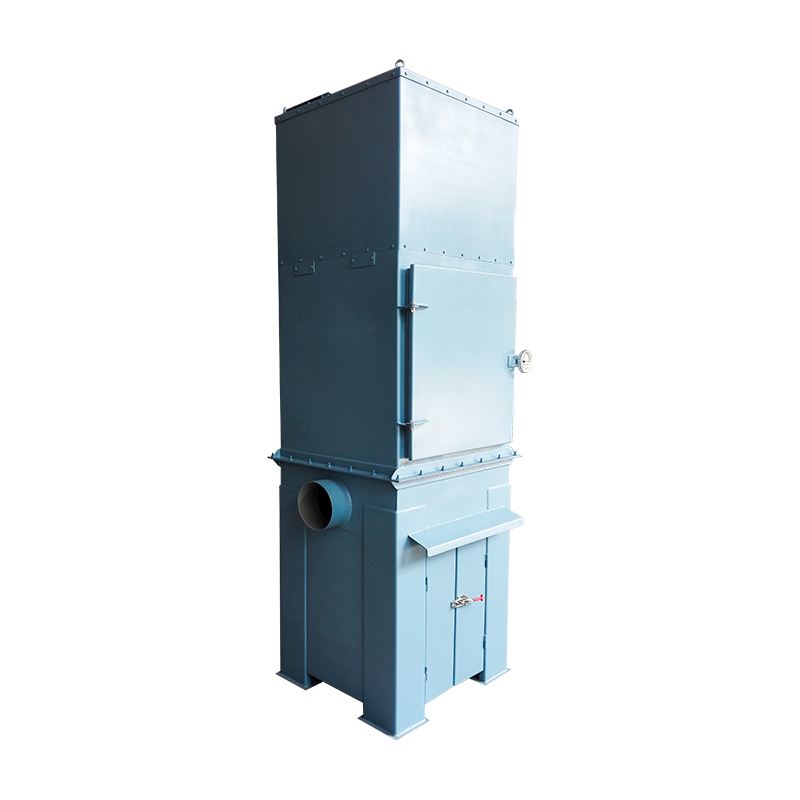
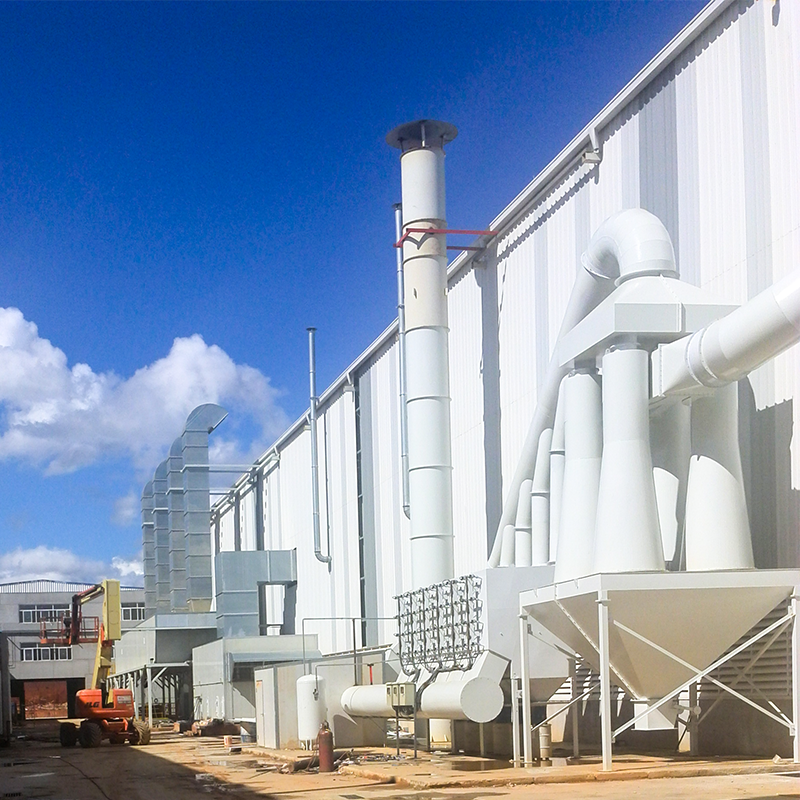
Industrial pulse dust collectors represent the most efficient and reliable solution for managing airborne particulate matter in heavy-duty manufacturing environments. Unlike conventional shaking or reverse-air filtration systems, pulse jet technology utilizes compressed air to automatically clean filter media without interrupting the operational airflow. This continuous cleaning capability ensures a steady pressure drop, maintaining consistent suction and filtration efficiency. For industries dealing with high dust loads, fine particulates, or continuous production cycles, implementing a pulse dust collector is not merely an environmental compliance measure but also a critical asset-protection and worker-health strategy.
Working Principle of Pulse Jet Technology
To understand the superiority of this equipment, one must grasp its fundamental operational mechanism. The process relies on a rapid, controlled burst of compressed air directed into the filter elements.
The Filtration Phase
During normal operation, dust-laden air enters the collector, typically through a hopper or inlet plenum. The air velocity decreases as it enters the larger filtration chamber, causing heavier particles to drop out due to gravity. The remaining fine dust is carried upward, where it encounters the filter bags or cartridges. The air passes through the porous filter media, while the dust particles are trapped on the outer surface, forming a layer known as a "dust cake." This dust cake actually enhances filtration efficiency by capturing even finer particles that would otherwise pass through the media pores.
The Cleaning Phase
As the dust cake accumulates, the pressure drop across the filters increases, restricting airflow. To restore optimal flow, the pulse cleaning system activates. A sequential controller triggers solenoid valves to open momentarily, releasing a high-pressure blast of compressed air from the blow pipe into the top of each filter bag. The sudden surge of air expands the bag, dislodging the dust cake, which then falls into the collection hopper. The entire cleaning cycle occurs in milliseconds and cleans the filters row by row, ensuring that the system remains online without any operational downtime.
Key Components and Their Functions
A robust industrial pulse dust collector is an assembly of several critical components, each engineered to withstand harsh industrial conditions.
- Filter Housing: Constructed from heavy-gauge steel, the housing contains the dirty air, clean air plenum, and provides the structural framework for the internal components. Proper design prevents air leakage and ensures even air distribution.
- Filter Media (Bags/Cartridges): The heart of the system. Media selection depends on the specific application, ranging from standard polyester for dry dust to specialized membranes for sub-micron particles or high-temperature applications.
- Pulse Valve Assembly: Comprising diaphragm valves, solenoid valves, and blow pipes, this assembly delivers the cleaning energy. High-quality diaphragm valves are crucial for providing a sharp, high-volume air pulse.
- Collection Hopper: A tapered cone at the bottom where dislodged dust falls. It must maintain steep angles to prevent dust bridging and ensure smooth discharge.
- Discharge System: Typically rotary airlocks or slide gates that continuously or intermittently remove collected dust from the hopper while maintaining a sealed environment against air infiltration.
Filter Media Selection Criteria
Choosing the wrong filter media can lead to premature failure, excessive energy consumption, and poor dust capture. The selection process must account for the specific chemical and physical properties of the dust.
| Media Type | Temperature Resistance | Best Suited Application |
|---|---|---|
| Polyester | Standard | Woodworking, general dry dust |
| Aramid (Nomex) | High | Asphalt plants, metal smelting |
| PTFE Membrane | Broad range | Sub-micron particulates, sticky dust |
For hygroscopic or moist dusts, a hydrolysis-resistant media is essential to prevent the filter from becoming brittle. In applications involving combustible dust, anti-static conductive media must be utilized to dissipate static charges and mitigate explosion risks.
Industrial Applications and Practical Scenarios
The versatility of the industrial pulse dust collector makes it a staple across numerous manufacturing sectors. Each industry presents unique challenges that require tailored configurations.
Woodworking and Furniture Manufacturing
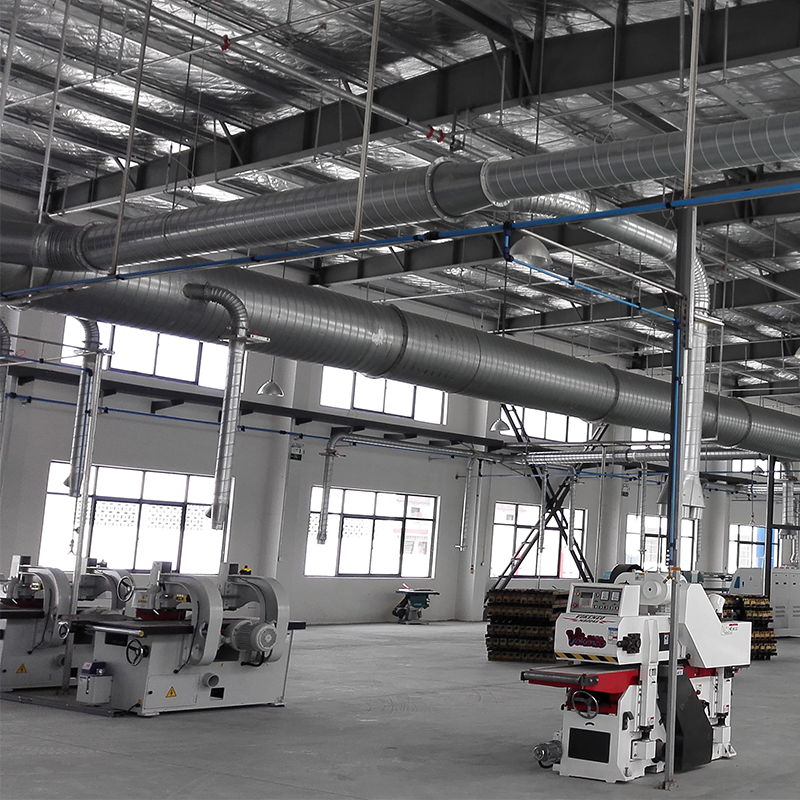
In woodworking facilities, sanders, saws, and routers generate massive volumes of coarse and fine wood dust. Pulse collectors handle the high dust load effectively, preventing the buildup of combustible dust clouds in the workspace while recovering valuable sawdust for recycling or energy generation.
Metalworking and Welding
Grinding, polishing, and welding operations produce fine metallic dust and fumes. Without adequate filtration, sub-micron welding fumes pose severe respiratory hazards to operators. Cartridge-type pulse collectors, utilizing specialized nano-fiber media, are highly effective at capturing these microscopic particulates at the source.
Cement and Mineral Processing
Cement plants involve crushing, milling, and conveying abrasive minerals. The dust generated is highly abrasive and dense. Pulse dust collectors used in these environments are built with heavy-duty wear-resistant components and specialized inlet baffles to prevent the incoming dust from abrading the filter media directly.
Critical Maintenance for Long-Term Efficiency
Even the most advanced dust collection system will fail prematurely without a disciplined maintenance regimen. A proactive approach significantly extends equipment life and prevents costly unplanned shutdowns.
- Compressed Air Quality Assurance: The pulse valves require clean, dry, and oil-free compressed air. Moisture in the air line can cause diaphragm valves to freeze or fail, and it can also turn dry dust into mud inside the filters, blinding them permanently. Daily drain checks on the compressed air system are mandatory.
- Filter Condition Monitoring: Relying on differential pressure gauges is the most accurate way to assess filter health. A sudden drop in differential pressure indicates a filter breach or torn bag, while a steady, unmanageable increase suggests irreversible blinding that requires immediate media replacement.
- Hopper Dust Level Management: Dust must be removed from the hopper continuously. If dust accumulates above the hopper level and reaches the filter bags, it prevents proper cleaning and can lead to dust bridging, making discharge impossible.
- Seal and Gasket Inspections: The clean air plenum must remain isolated from the dirty air chamber. Deteriorated gaskets around tube sheets or access doors can allow contaminated air to bypass the filters entirely, violating emission standards.
Combustible Dust Safety Considerations
Many organic and metallic dusts are highly combustible. When suspended in the air within a dust collector at specific concentrations, they present a severe explosion hazard. Ignoring combustible dust protocols is a critical safety failure that can result in catastrophic facility damage and loss of life.
Mitigation strategies must be integrated directly into the dust collector design. Explosion venting is the most common approach, where specialized panels rupture at a predetermined pressure, safely directing the explosion force away from occupied areas. Additionally, isolation valves must be installed on the inlet and outlet ducts to prevent flame propagation into the facility or upstream machinery. Anti-static filter media, grounded collector housings, and spark-detection systems are also essential layers of defense in high-risk applications such as aluminum grinding or grain handling.
Energy Efficiency and System Optimization
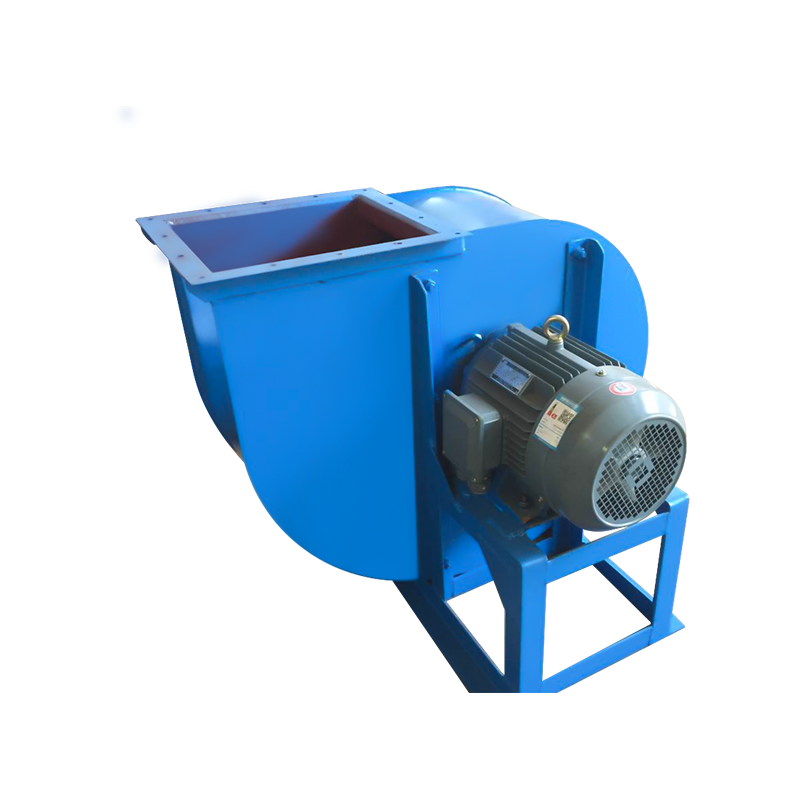
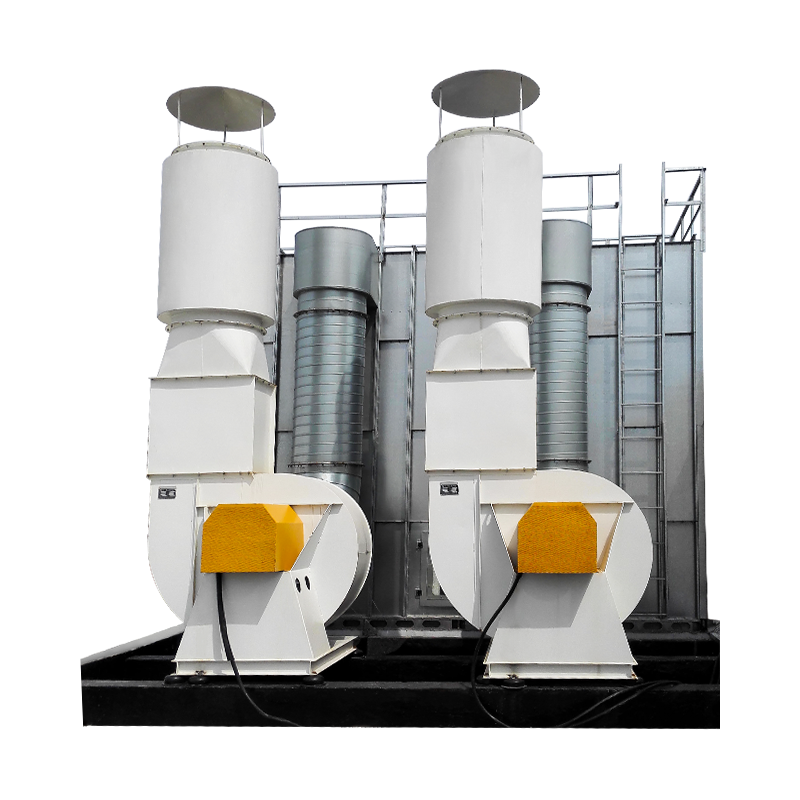
Dust collection systems are among the largest energy consumers in an industrial facility, primarily due to the massive fan horsepower required to move large volumes of air. Optimizing a pulse dust collector directly translates into significant energy savings.
One of the most effective optimization methods is adjusting the pulse cleaning frequency. Over-cleaning the filters extends the life of the media but prevents an adequate dust cake from forming, which forces the fan to work harder to maintain airflow. Conversely, under-cleaning increases the pressure drop, requiring more electrical power to overcome the resistance. Utilizing a variable frequency drive (VFD) on the main fan, paired with a differential pressure sensor, allows the system to automatically adjust fan speed to maintain the optimal pressure drop, yielding substantial energy reductions. Furthermore, ensuring the compressed air system operates at the minimum effective pressure required to clean the bags reduces the overall compressed air consumption, which is a highly expensive utility in any plant.