 English
 Español
 عربى
عربى
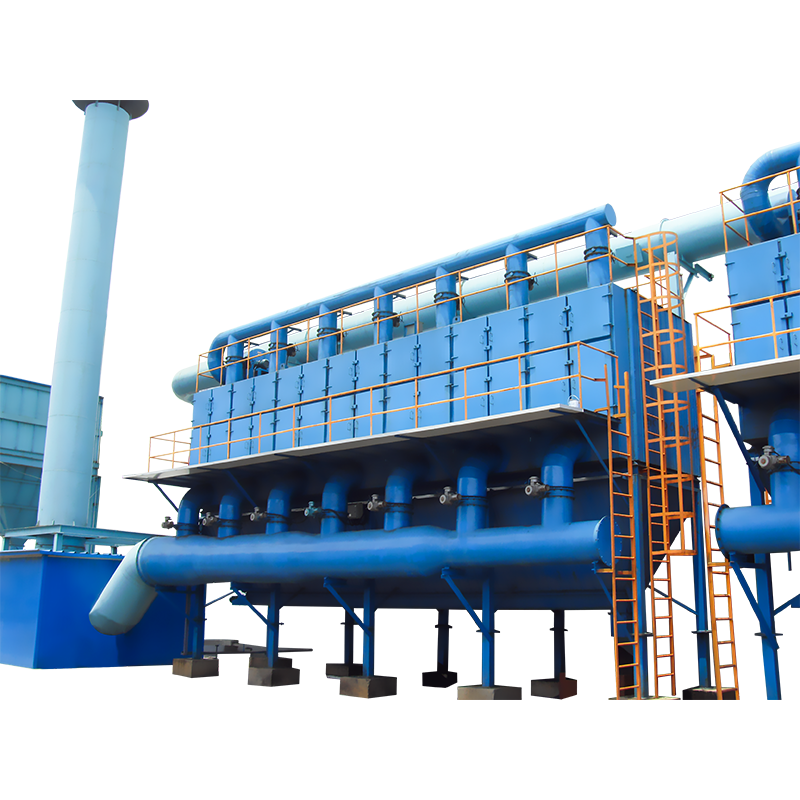
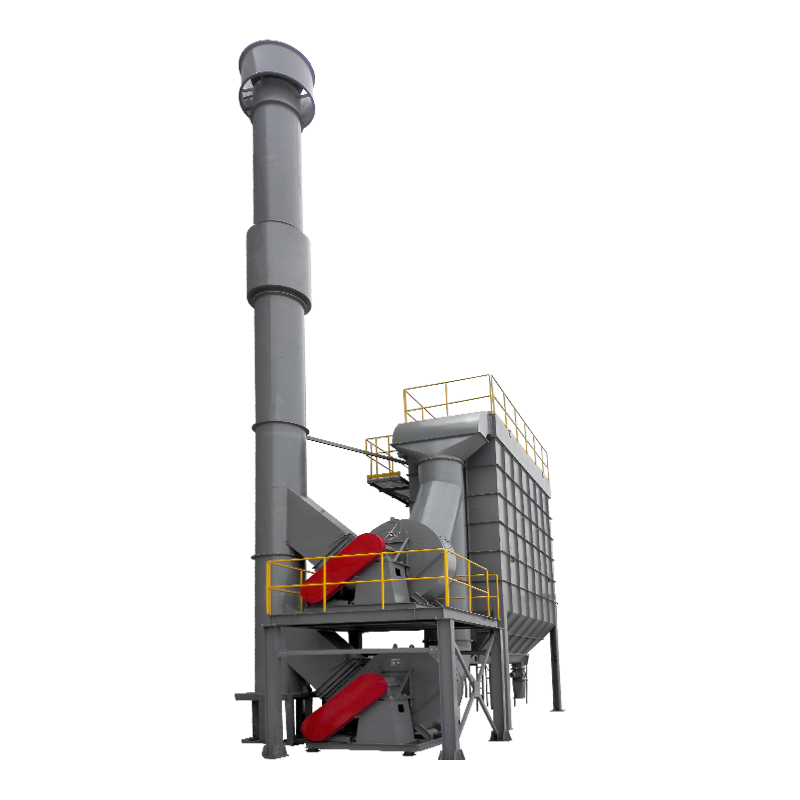
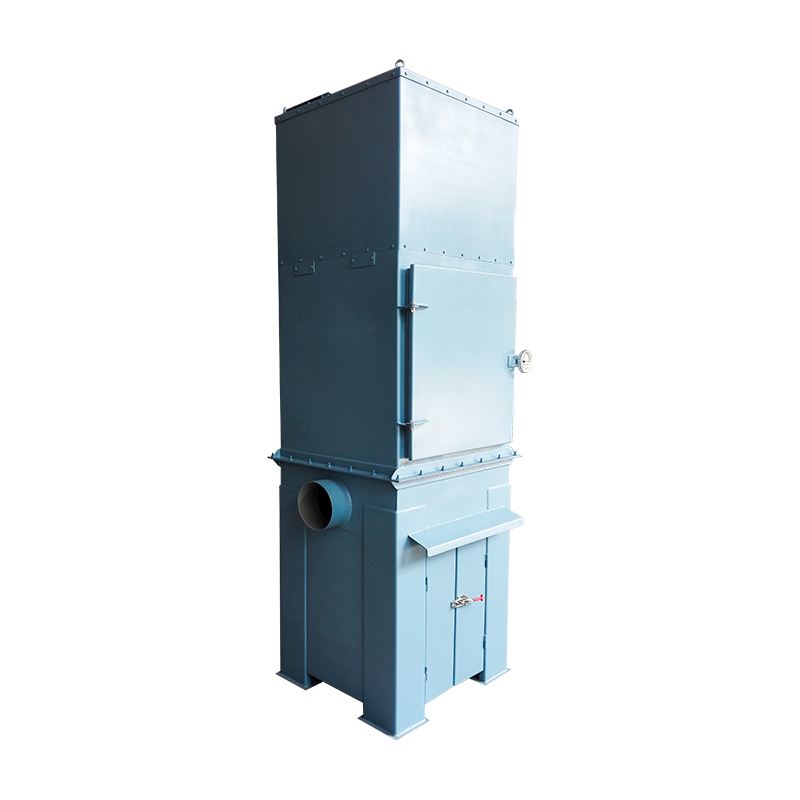
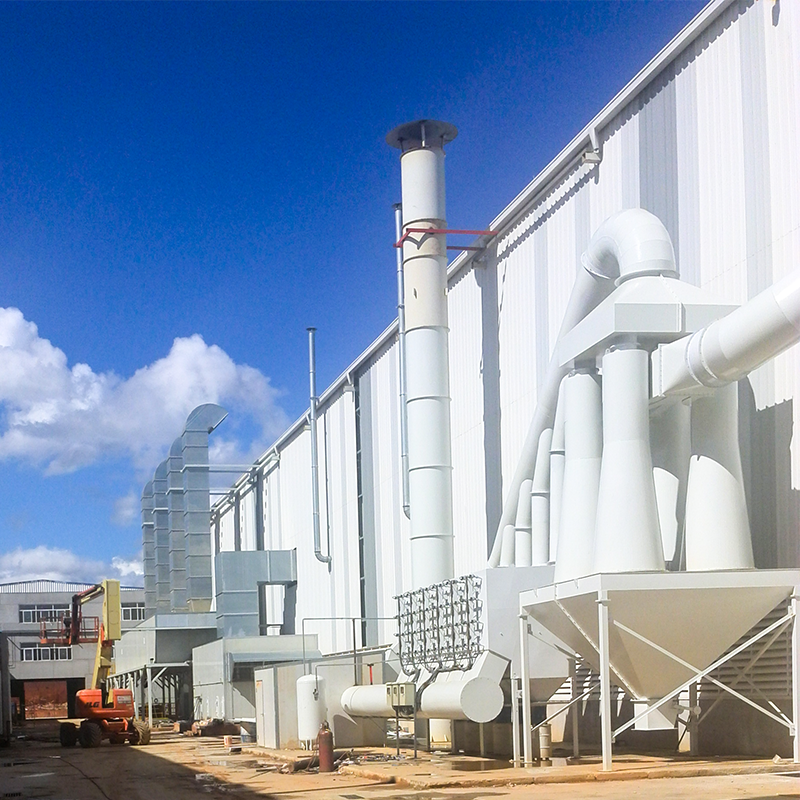
Bag type dust collector has become the mainstream dust removal supporting equipment for grinding machine processing, and it can effectively solve the dust pollution problem generated in the whole grinding operation process. In actual industrial production scenes, this dust removal equipment can intercept most fine particulate dust produced by material cutting, polishing and abrasive friction, and form a safe and clean operating environment for workshop staff. Compared with other types of dust removal equipment, the overall dust removal efficiency of this equipment can reach more than 99%, which can meet the environmental protection emission standards of various processing workshops.
Grinding operation will produce a large number of tiny dust particles with different particle sizes, these suspended dust will not only cause wear damage to the internal precision parts of grinding machine, shorten the service life of mechanical equipment, but also bring hidden dangers to the respiratory health of on-site operators. The bag type dust collector relies on flexible filter bags to classify and block dust of different sizes, isolate harmful particles outside the air circulation system, and realize cyclic purification of workshop air. Meanwhile, the equipment has strong adaptability, and can operate stably for a long time under continuous high-intensity grinding working conditions, without frequent shutdown adjustment.
Practical Value in Grinding Processing Scenarios
In metal grinding, stone polishing, wood grinding and other processing fields, the use of bag type dust collector can greatly reduce the cleaning frequency of grinding equipment. Dust accumulation is the main reason for equipment failure and processing precision decline. Effective dust collection can keep the running state of grinding machine stable, ensure consistent processing quality of finished products, and reduce the defective rate caused by dust interference. From the perspective of workshop management, standardized dust removal configuration also helps enterprises pass environmental assessment inspection and maintain normal production order.
Working Principle and Internal Structure Composition
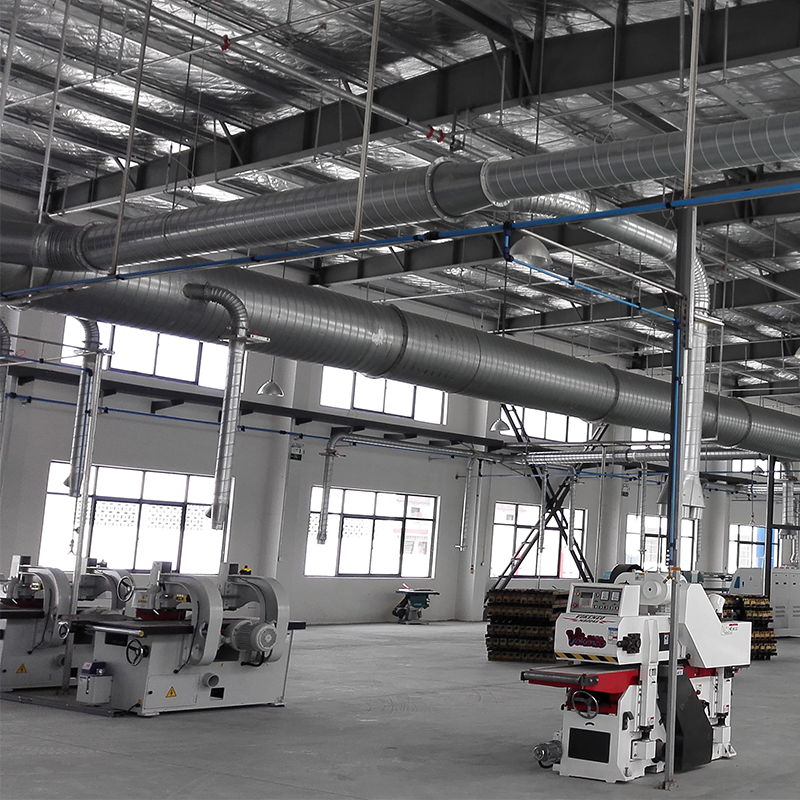
The operation logic of bag type dust collector supporting grinding machine is simple and scientific, and the whole dust removal process is divided into air intake filtration, dust separation, dust collection and clean air discharge four basic links. When the grinding machine starts to work and produces dust, the fan device inside the dust collector generates negative pressure air flow, and the dust-containing gas near the grinding operation area is sucked into the sealed box body of the equipment along the air duct.
After entering the box body, large-volume dust particles will naturally sink into the ash storage bin under the action of gravity, and tiny fine dust will be blocked on the surface of filter bags. Clean air penetrates the gap of filter bag fibers and flows to the air outlet, and finally discharges up to standard gas into the external space. With the continuous accumulation of dust on the filter bag surface, the equipment will regularly start the ash cleaning structure to shake off attached dust into the ash bin, so as to restore the filtering capacity of the filter bag and ensure uninterrupted dust removal work.
Key Structural Components and Functions
- Filter bag assembly: the core filtering component, different fabric materials correspond to different dust interception effects, bearing the main fine dust separation work.
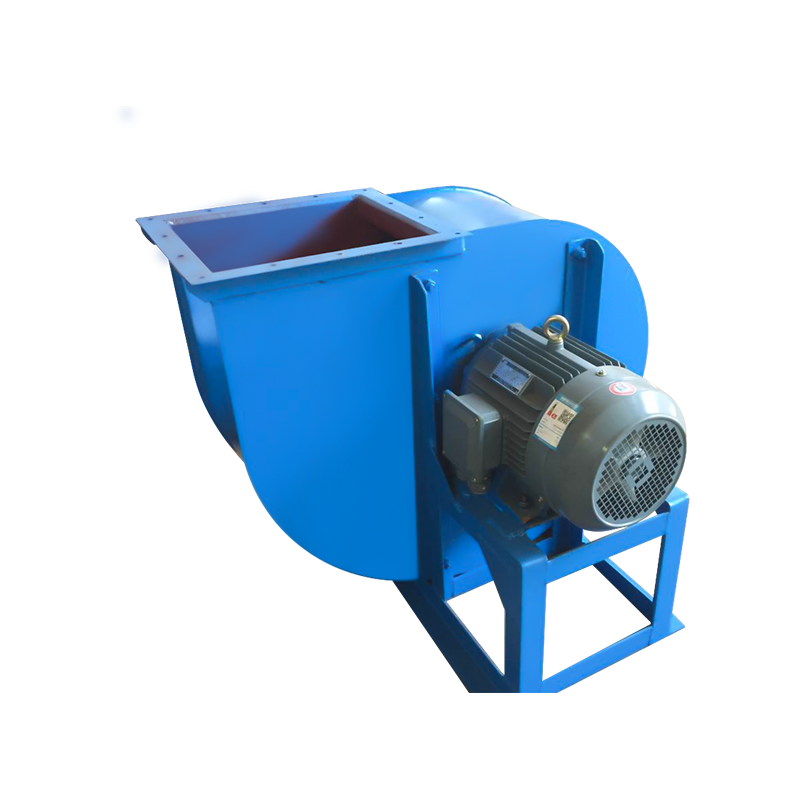
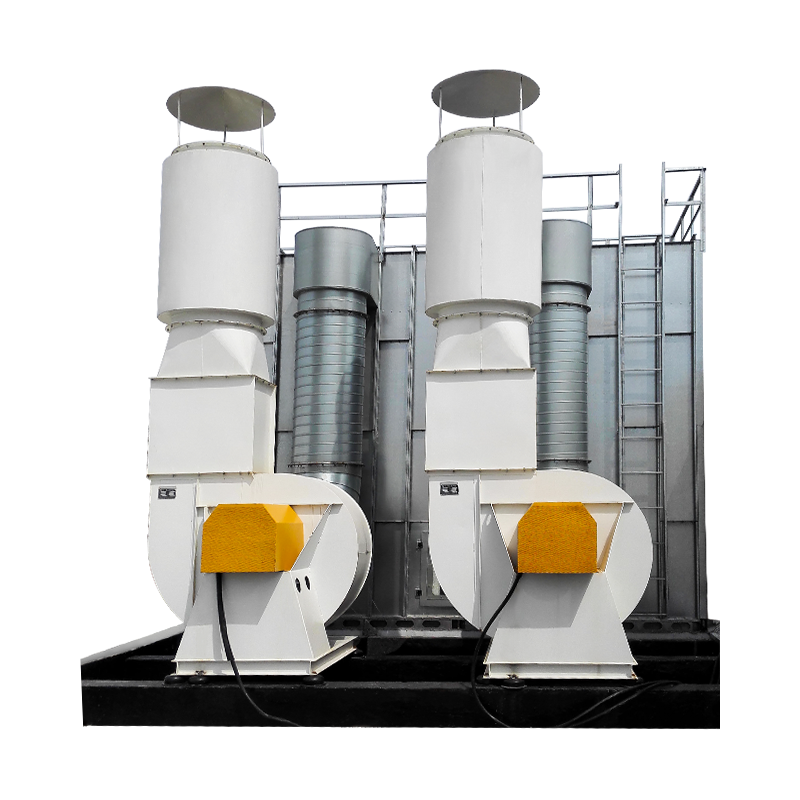
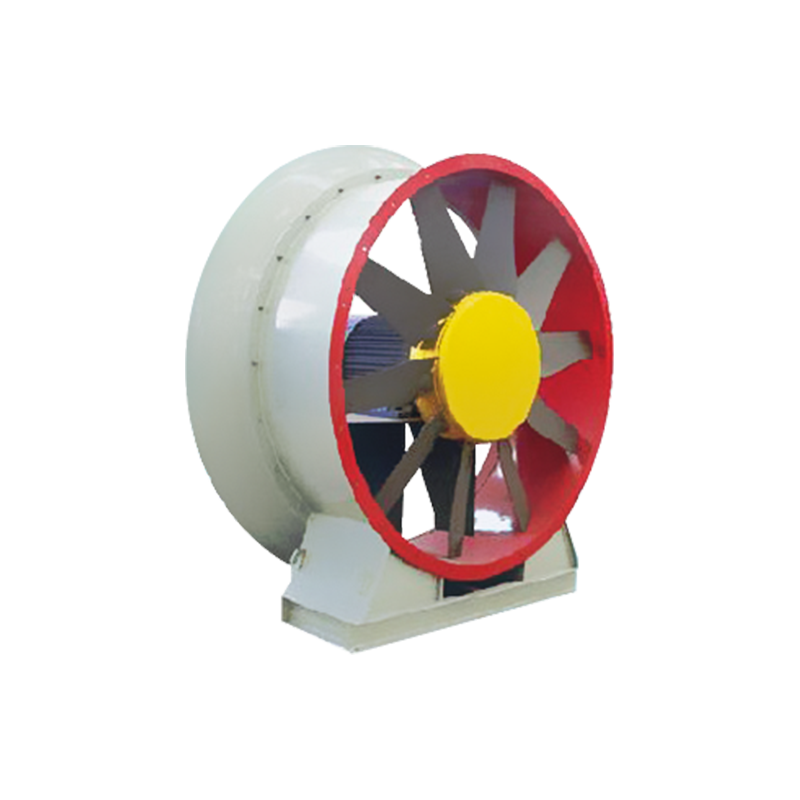
- Negative pressure fan: provides power for air flow circulation, controls the suction range and suction intensity of dust gas.
- Ash cleaning mechanism: regularly clean dust attached to filter bags to avoid blockage and maintain stable ventilation performance.
- Ash storage box: concentrate collected dust, convenient for unified dumping and harmless treatment later.
- Sealed box shell: isolate internal air flow, prevent dust leakage and avoid secondary pollution.
Matching Selection Standards for Grinding Machine
Reasonable selection of bag type dust collector is the premise to guarantee dust removal effect. Staff need to combine the actual parameters and working mode of grinding machine to select matched dust removal equipment, blindly choosing oversized or undersized equipment will cause resource waste or poor dust removal effect. Multiple factors need to be comprehensively measured in the selection process, focusing on operation power, dust output and working environment conditions.
| Selection Factor | Judgment Basis | Matching Requirement |
|---|---|---|
| Equipment Power | Rated power of single or multiple grinding machines | Dust suction power matches total mechanical power |
| Dust Property | Hardness, humidity and particle size of grinding dust | Select corresponding filter bag material |
| Working Duration | Daily continuous working hours of grinding process | Choose durable and wear-resistant structural style |
| Workshop Space | Indoor placement area and ventilation condition | Determine equipment volume and installation position |
Filter Bag Material Selection Tips
Filter bag is the vulnerable part of bag type dust collector, and different grinding materials produce dust with different corrosion and wear characteristics. When grinding hard metal materials, dust has strong wear resistance, and wear-resistant fabric filter bags need to be selected to avoid rapid damage; when processing damp materials, damp-proof filter materials are used to prevent dust from adhering and blocking fiber gaps. Proper material selection can extend the service cycle of filter bags, and reduce the replacement cost and downtime loss of accessories in daily production.
Daily Operation Specification and Fault Handling
Standardized operation can keep the bag type dust collector cooperating with grinding machine operate efficiently for a long time. Operators need to follow fixed operation steps to start and shut down the equipment, and do a good job of daily inspection before and after work. It is forbidden to modify the internal structure and wind speed parameters of the equipment at will during operation, so as to prevent dust leakage and equipment abnormal vibration failure.
Standard Operating Procedures
- Check the tightness of air duct connection and the integrity of filter bag before starting the grinding machine, confirm no damage and loose connection.
- Start the dust collector first and run it for a short time, then turn on the grinding machine to carry out processing work.
- Observe the air suction state in real time during operation, stop checking if air volume drops obviously or dust overflows.
- Shut down the grinding machine firstly after work, keep the dust collector running for a period of time to clean residual dust inside the pipeline.
- Clean the dust stored in the ash bin regularly, and inspect the wear degree of filter bags and mechanical parts.
Common Faults and Simple Solutions
In long-term matching use with grinding machine, the dust collector may have low dust suction efficiency, filter bag blockage and fan abnormal noise faults. When dust suction capacity declines, firstly check whether the filter bag is covered with thick dust, and start the ash cleaning program to remove surface attachments; if local dust leakage occurs, check the sealing joint of the box body and air duct, and fasten loose connecting parts in time. Abnormal noise of fan is mostly caused by foreign matter entering the rotating part, stop the machine for foreign matter cleaning and fixed maintenance, which can quickly restore normal operation state.
Maintenance Measures to Extend Service Life
Regular maintenance and maintenance is an effective way to prolong the service life of bag type dust collector, and also can maintain stable dust removal effect all the year round. The equipment works in high dust environment for a long time, and tiny dust will erode internal parts imperceptibly. Forming daily, weekly and monthly maintenance system can effectively reduce failure probability and reduce later maintenance investment cost. The overall service life of well-maintained equipment can be increased by more than 30% compared with equipment lacking maintenance.
Daily Routine Maintenance
After daily work completion, wipe the outer surface of the equipment to remove surface accumulated dust, keep the heat dissipation structure unobstructed, and avoid excessive temperature rise affecting component performance. Check the power line and control switch to ensure sensitive control and no line aging damage. Empty the dust stored in the ash bin every day to prevent excessive dust accumulation from affecting internal air flow circulation and increasing equipment operation load.
Periodic Deep Maintenance
Carry out comprehensive inspection every week, check the tension degree of filter bags, replace severely worn and broken filter bags in time, and avoid dust passing through damaged positions. Monthly maintenance focuses on lubricating rotating parts such as fans and ash cleaning structures, eliminating rust and clamping stagnation problems. At the same time, test the negative pressure value of the equipment, calibrate abnormal wind speed parameters, guarantee the matching coordination degree between dust collector and grinding machine, and ensure the dust removal demand of all grinding working conditions can be satisfied.