 English
 Español
 عربى
عربى
Home / News / Industry News / Shaker vs. Pulse: Which Industrial Dust Collector Is Best for Your Facility?
The Indispensable Role of Pulse Dust Collectors
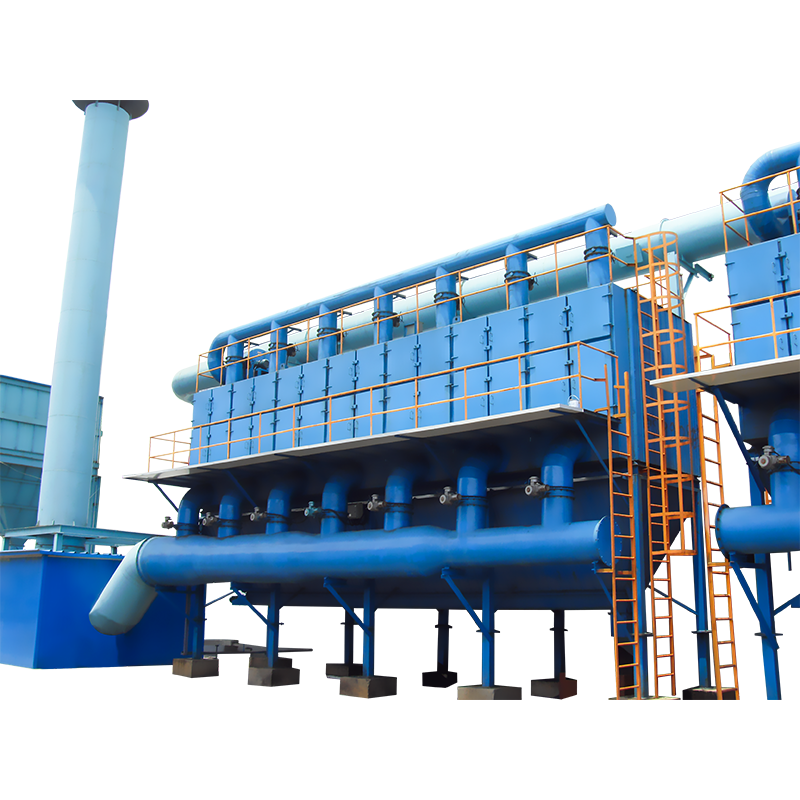
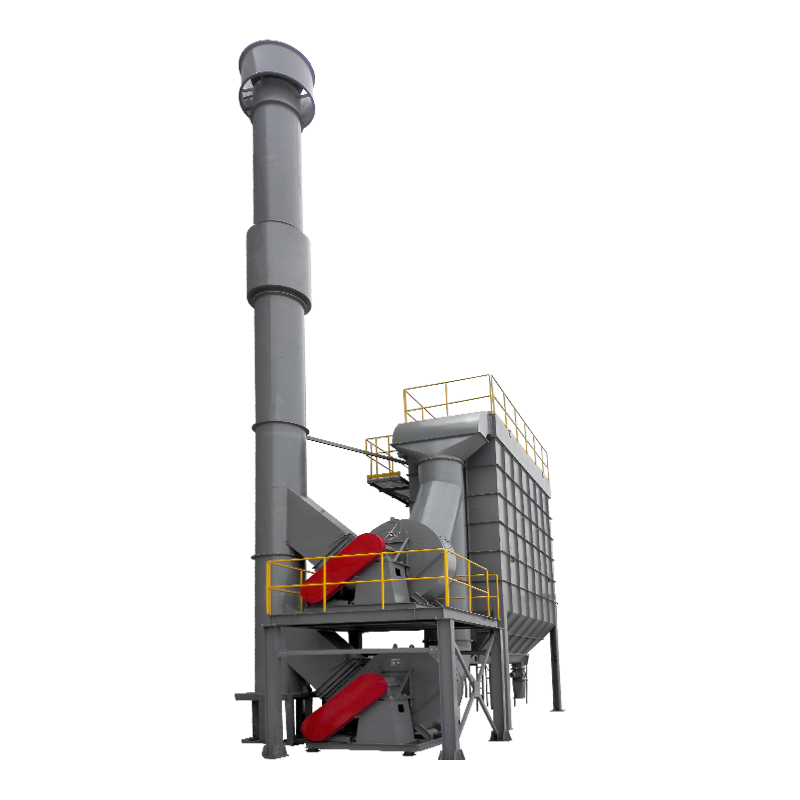
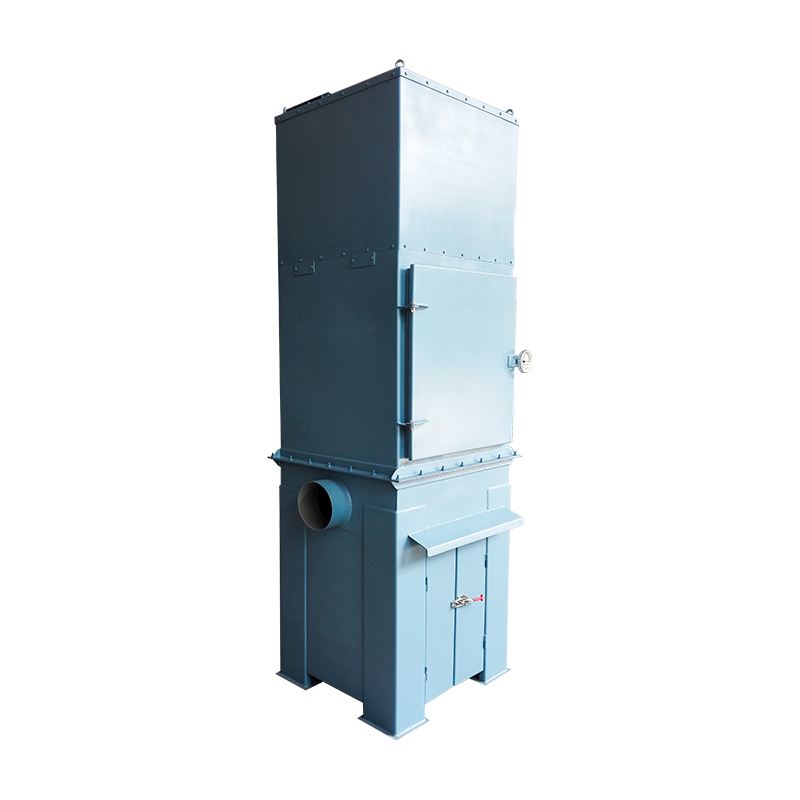
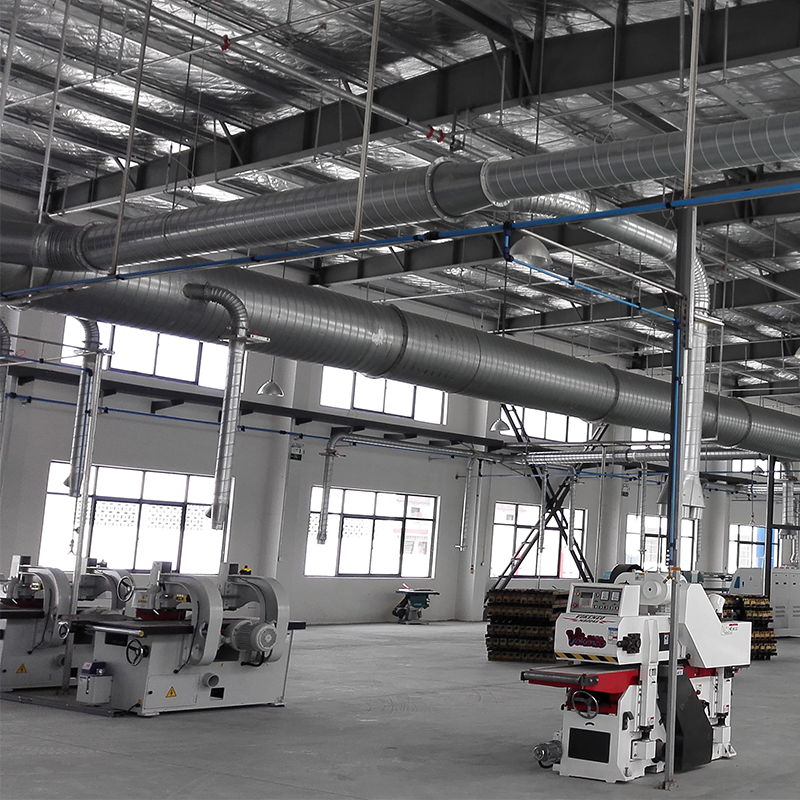
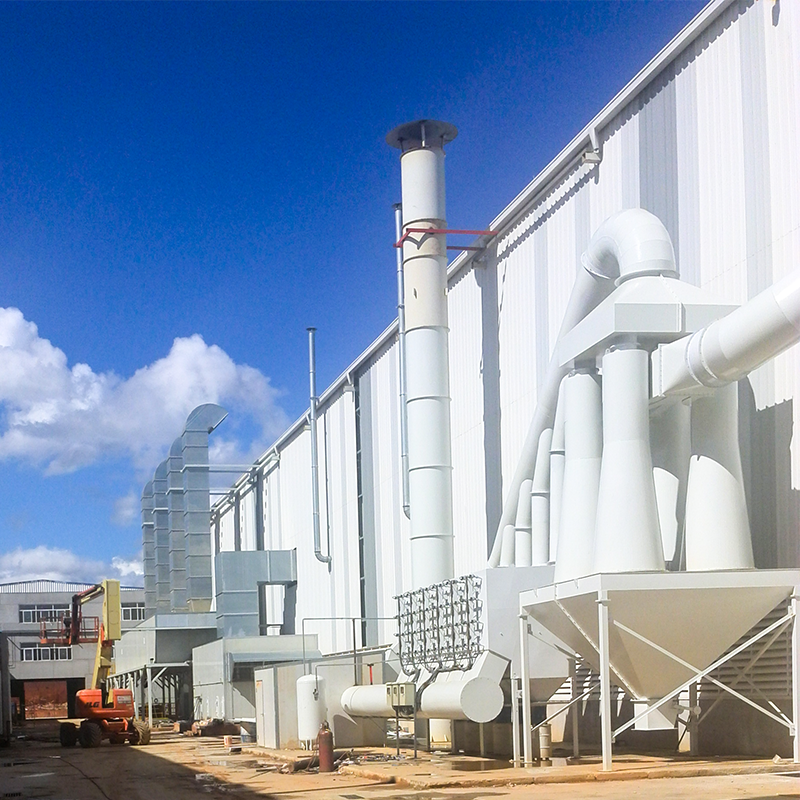
When it comes to managing airborne particulates in heavy-duty manufacturing environments, the industrial pulsed dust collector stands as the most efficient and reliable solution available today. Unlike conventional mechanical shakers or reverse-air systems that require process shutdowns to clean filter bags, the pulse-jet mechanism operates continuously. This means that facilities can maintain uninterrupted production while ensuring that internal air quality remains strictly within regulatory compliance. The core advantage lies in its online cleaning capability, which uses short bursts of compressed air directed into the filter bags to dislodge the dust cake effectively without compromising the structural integrity of the filtration media. For any industrial operation handling fine, hazardous, or high-volume dust, implementing a pulsed dust collector is not merely an option; it is a critical infrastructure requirement.
Understanding the Core Mechanics of Pulsed Dust Collection
To fully appreciate the utility of an industrial dust collector, one must understand the fundamental mechanics of the pulse-jet cleaning cycle. The system operates on a straightforward yet highly engineered principle of differential pressure and aerodynamic disruption. As contaminated air enters the collector, it is forced through the porous walls of tubular filter bags. The particulate matter is trapped on the exterior surface, forming what is known as a dust cake, while the cleaned air passes through the interior of the bags and is exhausted out of the system.
Over time, the accumulation of dust increases the pressure drop across the filter media, restricting airflow and reducing the system's overall efficiency. The pulse-jet mechanism is triggered to mitigate this. A series of solenoid valves open rapidly, releasing a momentary, high-pressure burst of compressed air into the clean-air plenum above the bags. This burst travels down the length of the bag, causing the fabric to expand rapidly and then snap back. The sudden expansion fractures the dust cake, and the subsequent contraction dislodges the debris, sending it falling into the collection hopper below. This entire sequence occurs in mere milliseconds, allowing for continuous, uninterrupted air filtration.
Advantages Over Conventional Dust Collection Systems
The shift from older technologies to the pulsed dust collector has been driven by distinct operational advantages that directly impact a facility's bottom line. Traditional shaker systems rely on mechanical agitation to clean filters, which necessitates stopping the airflow—a process that is highly inefficient for continuous manufacturing. Reverse-air systems use a slow, low-pressure airflow to clean the bags, which also often requires isolating compartments. The pulse-jet system, conversely, offers several distinct benefits:
- Continuous Operation: Because the pulse cleaning is instantaneous and does not require isolating the filter compartment or shutting down the exhaust fan, the industrial dust collector can operate twenty-four hours a day, seven days a week.
- Superior Filtration Efficiency: The formation of a controlled dust cake on the outside of the bags actually enhances filtration. The pulse mechanism cleans just enough to reduce the pressure drop while retaining a primary layer of dust that captures sub-micron particles.
- Higher Air-to-Cloth Ratio: Pulse-jet collectors can handle a much higher volume of air per unit of filter media compared to shaker or reverse-air systems. This allows for a more compact footprint, which is invaluable in facilities where floor space is at a premium.
- Reduced Maintenance Labor: The automated nature of the pulse cleaning cycle drastically reduces the need for manual filter manipulation, lowering labor costs and minimizing worker exposure to hazardous dust.
Critical Components of a Pulse Dust Collector
A high-functioning industrial dust collector is more than just a housing unit with bags. It is an integrated system comprising several critical components, each designed to work under demanding industrial conditions. Failure or inefficiency in any one of these components can compromise the entire dust collection process.
The Filtration Media
The filter bags are the heart of the system. The selection of the correct fabric is paramount to achieving optimal performance. Modern pulsed dust collectors utilize advanced needlefelt fabrics, often treated with specialized surface finishes. For general industrial applications, polyester or polypropylene might suffice. However, for high-temperature environments, such as those found in smelting or cement kilns, aramid fibers or fiberglass fabrics are necessary. Furthermore, the application of a membrane laminate, such as expanded polytetrafluoroethylene, on the surface of the bag ensures that fine particulates are captured on the surface rather than penetrating deep into the fabric, facilitating easier pulse cleaning and a longer bag life.
The Pulse Valve Assembly
The efficiency of the cleaning cycle relies entirely on the performance of the pulse valves. These diaphragm valves must open and close in a fraction of a second to deliver a sharp, high-impact air burst. The reliability of the solenoid pilot valves and the integrity of the diaphragm are crucial for maintaining consistent cleaning pressure. A leaking or slow-responding pulse valve will fail to dislodge the dust cake effectively, leading to premature bag plugging and a massive spike in system pressure drop.
The Hopper and Discharge System
Once the dust is dislodged from the bags, it falls into the hopper. The design of the hopper must ensure smooth, uninterrupted material flow to the discharge point. Dust that accumulates and bridges in the hopper can be drawn back into the filter bags, creating a secondary dust loading issue that the system is not designed to handle. Proper hopper design includes steep wall angles and often incorporates fluidizers or rotary airlocks to ensure the collected particulate is evacuated efficiently.
Selecting the Right Filter Media for Specific Applications
Choosing the appropriate filtration media is arguably the most critical decision when configuring an industrial dust collector. The wrong choice can lead to rapid degradation of the filter bags, excessive energy consumption, and failure to meet emission standards. The selection process must account for the chemical composition of the dust, the moisture content, the operating temperature, and the abrasiveness of the particles.
| Filter Media Type | Maximum Operating Temperature | Key Resistance Properties | Typical Industrial Applications |
|---|---|---|---|
| Polyester | Moderate | Good chemical and abrasion resistance | Woodworking, chemical processing |
| Aramid | High | Excellent thermal stability | Cement production, asphalt mixing |
| Fiberglass | Very High | Superior high-temperature tolerance | Metal smelting, incineration |
| PTFE Membrane | Varies by substrate | Highly hydrophobic, excellent dust release | Fine particulate, sticky or moist dusts |
When dealing with hygroscopic dusts—materials that absorb moisture from the air—standard fabrics can quickly become blinded as the dust cakes harden into a cement-like layer. In such scenarios, utilizing a hydrophobic treatment on the filter media or opting for a PTFE membrane is essential to ensure the pulse cleaning mechanism can effectively dislodge the accumulated material.
Optimizing the Pulse Cleaning Cycle
A common misconception in the operation of an industrial dust collector is that more frequent pulsing leads to cleaner bags and better performance. In reality, excessive pulsing is highly detrimental. The dust cake that forms on the exterior of the filter bags acts as a secondary filtration layer, capturing particles that are smaller than the pores of the fabric itself. Over-pulsing strips away this vital dust cake, forcing the fabric to act as the primary filter, which drastically reduces filtration efficiency and accelerates the physical wear and tear on the bags.
Modern pulsed dust collectors utilize differential pressure sensors to optimize the cleaning cycle. Instead of relying on a simple timer, a pressure sensor monitors the resistance across the filter media. The pulse mechanism is only activated when the pressure drop reaches a predetermined upper limit, and it ceases as soon as the pressure falls to an acceptable lower limit. This demand-based cleaning strategy extends the lifespan of the filter bags significantly and conserves valuable compressed air.
Compressed Air Requirements
The pulse-jet cleaning mechanism relies entirely on the availability of clean, dry, and high-pressure compressed air. The volume and pressure of the air burst must be sufficient to overcome the internal pressure of the collector and expand the bag rapidly. If the compressed air supply is inadequate, the cleaning cycle will fail, leading to progressive bag plugging. Furthermore, moisture in the compressed air lines can be disastrous. When moist air is injected into a hot dust collector, it can cause hygroscopic dusts to turn into mud on the surface of the bags, completely blinding the filter media. Oil from improperly maintained compressors can similarly foul the fabric. Therefore, dedicated air drying and filtration systems are mandatory for a reliable pulse dust collector.
Addressing Common Operational Challenges
Even the most robustly engineered pulsed dust collector will encounter operational issues if not properly managed. Identifying and rectifying these challenges promptly is essential to maintain system performance and avoid costly production downtime.
Filter Bag Blinding and Plugging
Blinding occurs when dust particles penetrate deep into the fabric matrix and cannot be dislodged by the pulse cleaning cycle. This leads to a persistently high pressure drop and reduced airflow. Common causes include pulsing with insufficient air pressure, pulsing too frequently, or handling dust that is inherently sticky or moist. To mitigate blinding, operators must ensure the compressed air system is functioning at peak performance, switch to demand-based cleaning, and evaluate whether a different filter media or surface treatment is required for the specific dust being collected.
Dust Bridging in the Hopper
Hopper bridging is a severe issue where collected dust compacts and forms an arch across the width of the hopper, preventing material from reaching the discharge valve. If dust continues to accumulate above the bridge, it can reach the level of the filter bags, causing them to abrade and tear. Implementing continuous hopper evacuation and installing vibrators or fluidizing pads can prevent the compaction necessary for a dust bridge to form.
Premature Bag Failure
Filter bags in a pulse dust collector can fail prematurely due to several factors. Chemical degradation occurs if the fabric is not suited to the pH or chemical composition of the process gas. Thermal degradation happens when the operating temperature exceeds the rating of the media. However, the most common cause of premature failure is mechanical abrasion. This can result from bags rubbing against the cage due to poor installation, or from the high-velocity impact of abrasive dust particles at the inlet of the collector. Utilizing inlet baffle plates to distribute airflow and drop out heavy particulate before it reaches the bags is a crucial design element to prevent abrasive wear.
Essential Maintenance Strategies for Longevity
Proactive maintenance is the cornerstone of a reliable industrial dust collector. Reactive maintenance—waiting for a system failure before taking action—inevitably leads to lost production, environmental compliance violations, and exponentially higher repair costs. A well-structured maintenance program should encompass daily operational checks, periodic inspections, and comprehensive annual overhauls.
- Daily monitoring of the differential pressure across the filter media to establish a baseline and identify abnormal trends early.
- Weekly inspections of the compressed air system, including checking for moisture in the lines, verifying the pressure at the manifold, and listening for leaking solenoid valves.
- Monthly visual inspections of the hopper and discharge system to ensure material is flowing freely and not accumulating inside the collector.
- Quarterly checks of the filter bag tensioning mechanisms and visual inspections of the clean-air plenum for any signs of dust bypass, which indicates a torn bag or a poor seal.
- Annual comprehensive inspections that include removing and inspecting a sample of filter bags to assess the remaining life of the media, and replacing all worn or damaged pulse valves.
Compliance, Safety, and Environmental Impact
The primary function of an industrial dust collector is often tied directly to regulatory compliance. Environmental protection agencies worldwide enforce strict limits on the emission of particulate matter into the atmosphere. A properly functioning pulsed dust collector ensures that a facility remains within these mandated emission limits, avoiding substantial fines and legal action. However, the importance of dust collection extends beyond mere compliance; it is intrinsically linked to workplace safety and environmental stewardship.
Many industrial dusts are combustible, presenting a severe risk of deflagration within the dust collection system. A pulse dust collector handling combustible dust must be equipped with explosion protection measures, such as explosion vent panels, flameless vents, or chemical isolation systems. These devices are designed to relieve the pressure of an explosion safely before it ruptures the collector housing or propagates back into the facility. Failure to address combustible dust hazards is not only a regulatory violation but a catastrophic safety risk.
Furthermore, the efficient capture of fine particulate matter protects the health of the workforce. Prolonged exposure to industrial dusts can lead to severe respiratory illnesses, including silicosis and occupational asthma. By capturing these contaminants at the source, the pulsed dust collector plays an indispensable role in maintaining a safe, breathable work environment. Finally, the collected dust can often be recycled back into the production process or disposed of responsibly, minimizing the environmental footprint of the manufacturing operation and contributing to a more sustainable industrial ecosystem.