 English
 Español
 عربى
عربى
Home / News / Industry News / What Are the Advantages of Air Pulse Cleaning System Over Traditional Dust Collectors?
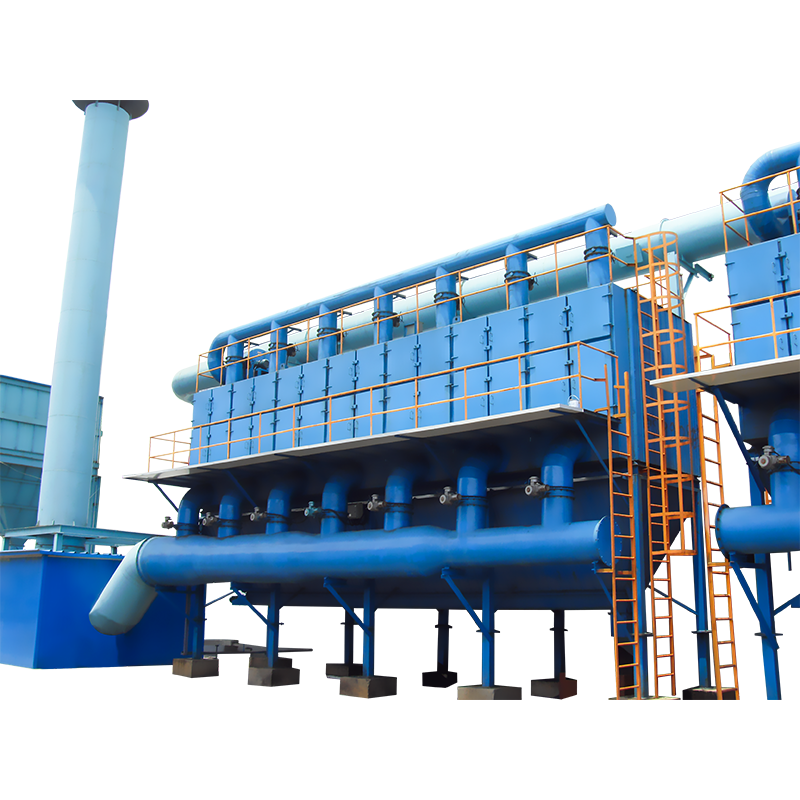
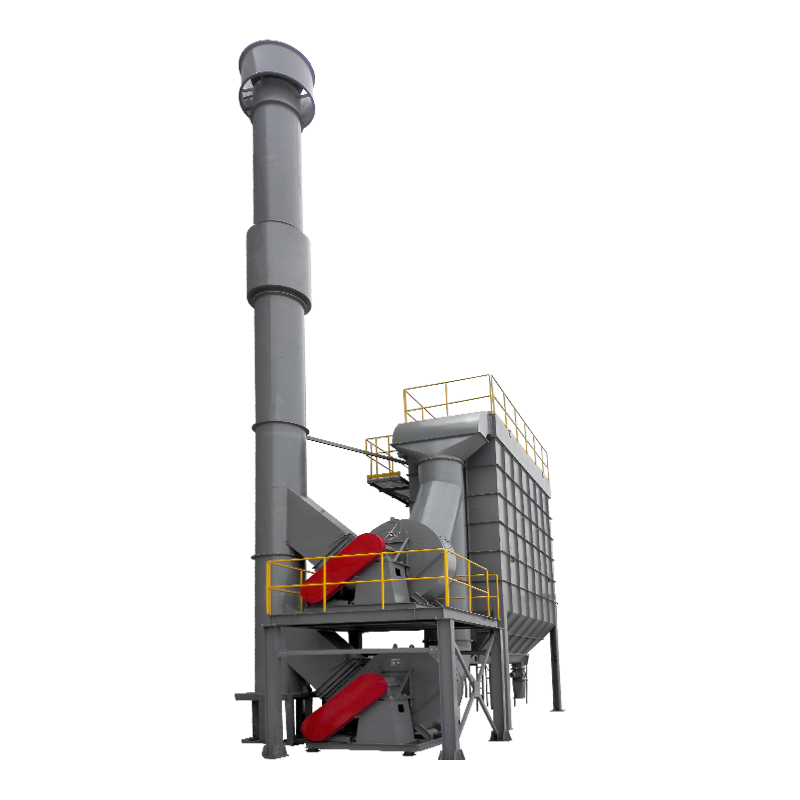
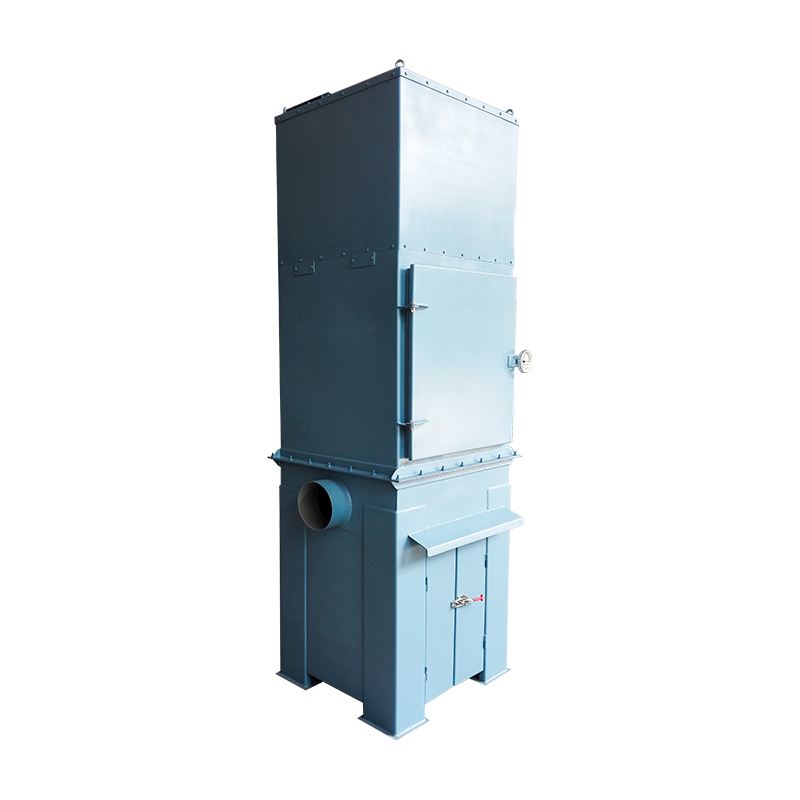
The air pulse cleaning system industrial dust collector is the most efficient and widely applied industrial dust removal equipment in modern industrial production. Its core advantage lies in the automatic pulse jet cleaning mechanism, which can keep the filter media in a stable, high-efficiency dust collection state for a long time, with a dust removal efficiency of up to 99.9% and uninterrupted operation. This equipment solves the problems of filter blockage, reduced air volume, and shortened service life in traditional dust collectors, and is fully applicable to high-concentration, continuous-operation industrial dust treatment scenarios. It is an essential environmental protection and production safety device for manufacturing, processing, mining, and other industries.
Unlike manual cleaning or mechanical vibration cleaning, the dust collectors, the air pulse cleaning system adopts compressed air pulse jet technology to complete instantaneous cleaning of filter bags or cartridges, ensuring that the equipment does not need to be shut down during the cleaning process. This design greatly improves production continuity, reduces manual maintenance costs, and meets the strict environmental protection emission standards and occupational health safety requirements of various industries. For industrial sites with continuous dust generation, this type of dust collector is the optimal technical solution with the highest cost-performance ratio and the most stable operation effect.
Working Principle of Air Pulse Cleaning System Industrial Dust Collector
The operating process of the air pulse cleaning system industrial dust collector is divided into two core stages: dust collection and pulse cleaning. The two stages are carried out alternately and automatically, forming a closed-loop working system that runs continuously without manual intervention.
Dust Collection Stage
Under the action of the fan, dusty gas enters the interior of the dust collector through the air inlet. The dust particles are intercepted and attached to the surface of the filter media (filter bag or filter cartridge) due to the filtering effect, while clean gas passes through the filter media and is discharged from the air outlet. With the extension of working time, dust accumulates continuously on the surface of the filter media, which will increase the resistance of the air duct and reduce the dust collection efficiency.
Pulse Cleaning Stage
When the system resistance reaches the set value, the pulse valve is triggered instantly. Compressed air is injected into the filter media at a high speed in the form of pulse air flow, generating strong reverse air flow and vibration. The dust attached to the surface of the filter media falls off rapidly and enters the dust hopper, completing the automatic cleaning process. The whole cleaning process only takes 0.1 to 0.2 seconds per filter unit, and the equipment remains in normal operation during this period.
Collaborative Operation of Control System
The pulse cleaning process is controlled by an intelligent controller, which can adjust the pulse interval, pulse width and injection pressure according to the actual dust concentration and operating conditions. This intelligent control ensures that the filter media is cleaned timely without excessive cleaning, balancing dust removal efficiency, energy consumption and service life of the filter media.
Core Components of Air Pulse Cleaning System Industrial Dust Collector
The stable operation of the air pulse cleaning system industrial dust collector depends on the coordinated cooperation of multiple core components. Each component has a clear functional positioning, and the performance of the whole machine is directly determined by the quality and matching degree of these components.
Pulse Cleaning Assembly
This is the core component of the equipment, including pulse valves, air bags, injection pipes and nozzles. The pulse valve is the key executive component, which can realize the rapid switch of compressed air and form a high-strength pulse air flow. The air bag stores compressed air to ensure stable air supply during instantaneous injection, and the nozzle accurately injects air flow into the center of the filter media to maximize the cleaning effect.
Filter Media System
Filter media is the core carrier of dust removal, mainly including filter bags and filter cartridges. High-performance filter media can capture micron-level dust particles, with good air permeability and wear resistance. The selection of filter media is based on the characteristics of dust, such as temperature, humidity, corrosiveness and particle size, which directly affects the dust removal effect and service life.
Power and Exhaust System
The fan provides negative pressure power for the entire dust collection system, sucking dusty gas into the equipment. The fan is matched with the air volume and resistance of the dust collector to ensure stable air volume and low energy consumption. The exhaust system discharges the purified clean gas to meet the emission standards.
Dust Discharge and Storage System
The dust hopper collects the dust falling off from the filter media, and the discharge device (such as screw conveyor, rotary airlock valve) discharges the dust regularly. This system prevents secondary dust raising and realizes centralized collection and treatment of dust, which is convenient for subsequent recycling or safe disposal.
Intelligent Control System
The control system integrates differential pressure detection, timing control and fault alarm functions. It automatically triggers pulse cleaning according to the pressure difference between the inlet and outlet of the dust collector, and can monitor the operating status in real time. When abnormal conditions such as filter damage and compressed air pressure insufficiency occur, it will send an alarm signal in time.
Performance Advantages of Air Pulse Cleaning System Industrial Dust Collector
Compared with traditional industrial dust collectors such as mechanical vibration type and manual cleaning type, the air pulse cleaning system industrial dust collector has obvious performance advantages, which is the main reason why it is widely used in various industrial fields.
Ultra-High Dust Removal Efficiency
The dust removal efficiency of this equipment can reach 99.9%, which can effectively capture micron and sub-micron dust particles that are harmful to human body and environment. It can meet the ultra-low emission requirements of industrial waste gas, and is far better than traditional dust removal equipment in treatment effect.
Uninterrupted Continuous Operation
The pulse cleaning is completed instantaneously and does not require the equipment to stop working. For industrial production lines that need 24-hour continuous operation, this advantage avoids production shutdown caused by dust collector maintenance, greatly improving production efficiency and reducing economic losses.
Low Maintenance Cost and Labor Saving
Automatic cleaning eliminates the need for manual regular cleaning and replacement of filter media. The daily maintenance only requires regular inspection of compressed air pressure and dust discharge status. The labor cost is reduced by more than 80% compared with manual cleaning dust collectors, and the maintenance difficulty is greatly reduced.
Wide Adaptability to Working Conditions
It can adapt to high dust concentration, high temperature, high humidity and corrosive dust environments. By replacing different types of filter media and adjusting pulse cleaning parameters, it can be applied to almost all industrial dust treatment scenarios with complex working conditions, with strong flexibility and scalability.
Long Service Life of Filter Media
Uniform and moderate pulse cleaning avoids the damage to filter media caused by excessive mechanical vibration or manual forced cleaning. Under normal use, the service life of filter media can be extended to 1 to 3 years, reducing the frequency and cost of consumable replacement.
Key Technical Parameters and Configuration Standards
The selection and configuration of the air pulse cleaning system industrial dust collector need to be based on actual working conditions, and the matching of core technical parameters directly affects the operating effect and energy consumption of the equipment. The following are the key parameters and configuration standards that need to be focused on:
| Parameter Name | Standard Range | Influence on Equipment |
|---|---|---|
| Compressed Air Pressure | 0.4-0.6 MPa | Determines cleaning strength and effect |
| Pulse Interval | 10-60 seconds | Adjusts according to dust concentration |
| Air Volume | Customized by working condition | Matches dust generation rate |
| Filter Area | Configured by air volume | Affects dust load and resistance |
In addition to the above parameters, the selection of filter media materials, the number of pulse valves, and the structure of the dust hopper also need to be configured according to the actual situation. For high-temperature dust, high-temperature resistant filter media should be selected; for corrosive dust, anti-corrosion materials should be used for the shell and components; for large-volume dust, a larger-capacity dust hopper and a faster discharge device should be configured.
Industrial Application Scenarios
The air pulse cleaning system industrial dust collector has excellent adaptability and is widely used in industrial fields with continuous dust generation. It can effectively control dust pollution, protect the health of workers, and meet environmental protection inspection standards. The main application scenarios are as follows:
Wood Processing and Furniture Manufacturing
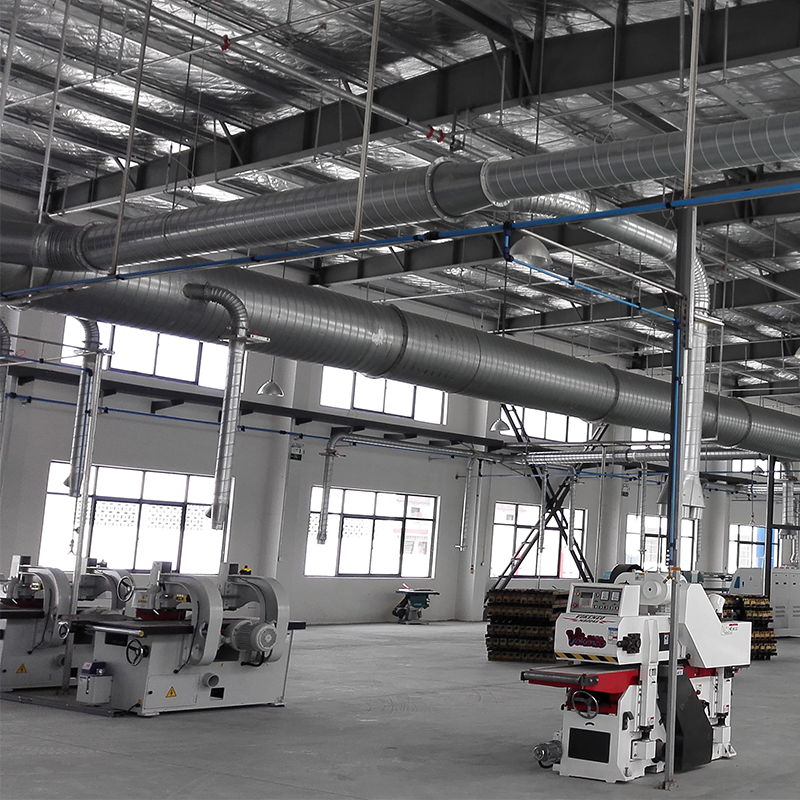
Woodworking machinery such as sawing, milling and sanding produces a large amount of wood dust. The air pulse cleaning dust collector can capture fine wood dust in real time, prevent dust explosion risks, and keep the workshop clean. It is a necessary safety equipment for woodworking workshops.
Metal Processing and Welding
Welding fume, grinding dust and cutting particles in metal processing are harmful to human health. This equipment can efficiently capture metal dust and toxic fumes, reduce the harm of occupational diseases, and meet the occupational health standards of workshops.
Mining, Building Materials and Cement Industry
These industries produce a large amount of high-concentration mineral dust. The air pulse cleaning system has strong dust load capacity and stable operation, which can meet the dust treatment needs of large-scale production lines and reduce the emission of industrial dust.
Chemical, Pharmaceutical and Food Processing
Fine powder dust generated in the production process of these industries requires high-efficiency dust removal. The equipment can avoid material waste and environmental pollution while capturing dust, and realize the recycling of partial raw materials.
Plastic, Rubber and Textile Industry
Fiber dust, plastic particles and rubber powder generated in production are easy to cause air pollution. The pulse cleaning dust collector can maintain long-term efficient operation, adapt to continuous production rhythm, and keep the workshop environment up to standard.
Daily Maintenance and Fault Handling
Scientific daily maintenance can extend the service life of the air pulse cleaning system industrial dust collector, maintain stable dust removal efficiency, and avoid equipment failures and production interruptions. The maintenance work is simple and can be completed by conventional operators.
Daily Routine Maintenance Items
- Check the compressed air pressure daily to ensure it is within the standard range of 0.4-0.6 MPa
- Observe the differential pressure gauge of the dust collector to confirm the normal operation of the pulse cleaning system
- Clean the dust in the dust hopper regularly to prevent dust accumulation and blockage
- Check the air tightness of the pipeline weekly to avoid air leakage and reduce dust collection efficiency
- Inspect the filter media regularly and replace damaged or failed filter media in time
Common Faults and Solutions
Insufficient dust collection effect: The main reasons are filter media damage, compressed air pressure insufficient, or pulse valve failure. Solutions include replacing the filter media, adjusting the air pressure, and repairing or replacing the pulse valve.
High system resistance: Caused by filter media blockage or abnormal pulse cleaning. It can be solved by extending the cleaning time, shortening the pulse interval, or replacing the blocked filter media.
Pulse valve does not act: Mostly due to circuit failure, air path blockage or valve body damage. Check the control circuit, clear the air path, or replace the pulse valve to restore normal operation.
Secondary dust raising: Caused by damaged dust hopper seal or unreasonable air volume configuration. Adjust the seal structure and match the appropriate fan air volume to solve the problem.
Installation Requirements and Precautions
The installation quality of the air pulse cleaning system industrial dust collector directly affects its operating effect and safety. Standardized installation can avoid equipment vibration, air leakage, noise and other problems, and ensure long-term stable operation.
Foundation and Location Requirements
The equipment needs to be installed on a flat and solid concrete foundation to prevent vibration and noise caused by uneven ground. The installation location should be as close to the dust source as possible to shorten the length of the dust collection pipeline, reduce air volume loss, and improve dust collection efficiency. At the same time, enough space should be reserved around the equipment for daily maintenance and component replacement.
Pipeline and Air Tightness Requirements
The dust collection pipeline should be laid smoothly, reducing elbows and branches to avoid dust deposition and blockage. All pipeline interfaces must be sealed with sealing materials to prevent air leakage, which will reduce the negative pressure of the system and affect the dust collection effect. The exhaust pipeline should be installed in accordance with environmental protection requirements, and the exhaust port should be set in a safe area.
Electrical and Air Supply Requirements
The power supply must match the rated voltage and power of the equipment, with a stable voltage and reliable grounding to ensure the safe operation of the control system and fan. The compressed air supply pipeline must be equipped with a pressure regulating valve and a water-oil separator to ensure dry and clean compressed air, preventing moisture and oil from damaging the pulse valve and filter media.
Safety Protection Requirements
For dust with explosion risks, explosion-proof devices such as explosion-proof fans and explosion-proof pulse valves should be configured. The equipment should be equipped with emergency stop buttons and safety warning signs to ensure the personal safety of operators during operation and maintenance.
Development Trend of Air Pulse Cleaning System Industrial Dust Collector
With the continuous improvement of global industrial environmental protection standards and the rapid development of intelligent manufacturing technology, the air pulse cleaning system industrial dust collector is constantly upgrading and innovating in technology, and its future development trend is clear and predictable.
Intelligent and Automated Upgrade
Future dust collectors will be equipped with more advanced intelligent control systems, realizing remote monitoring, automatic fault diagnosis, adaptive parameter adjustment and other functions. The equipment can automatically adjust the pulse cleaning strategy according to real-time changes in dust concentration, temperature and humidity, achieving fully unmanned operation and further reducing manual intervention.
High-Efficiency and Energy-Saving Technology Innovation
The research and development of new filter media materials and optimized pulse cleaning structure will further improve dust removal efficiency and reduce energy consumption. The new generation of equipment will reduce compressed air consumption and fan power consumption on the premise of ensuring treatment effect, realizing energy saving and emission reduction and reducing operating costs for enterprises.
Modular and Integrated Design
Modular design makes the equipment installation, disassembly and maintenance more convenient, and can be customized and combined according to the actual needs of enterprises. Integrated design integrates dust collection, cleaning, discharge and control systems, reducing the floor area and improving the overall stability and aesthetics of the equipment.
Wide Application in Emerging Industries
With the rise of new energy, electronic manufacturing, biopharmaceutical and other emerging industries, the demand for ultra-clean production environments is increasing. The air pulse cleaning dust collector will be further applied in these high-precision industries, providing dust control solutions for more industrial fields.