 English
 Español
 عربى
عربى
Home / News / Industry News / What Are the Essential Maintenance Tips for Industrial Pulse Jet Dust Collectors?
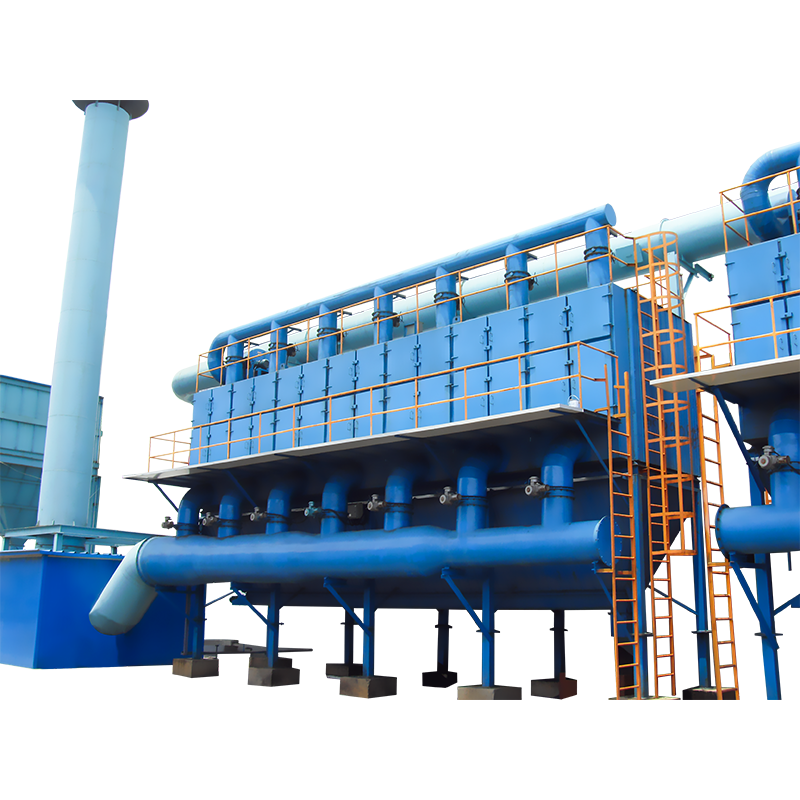
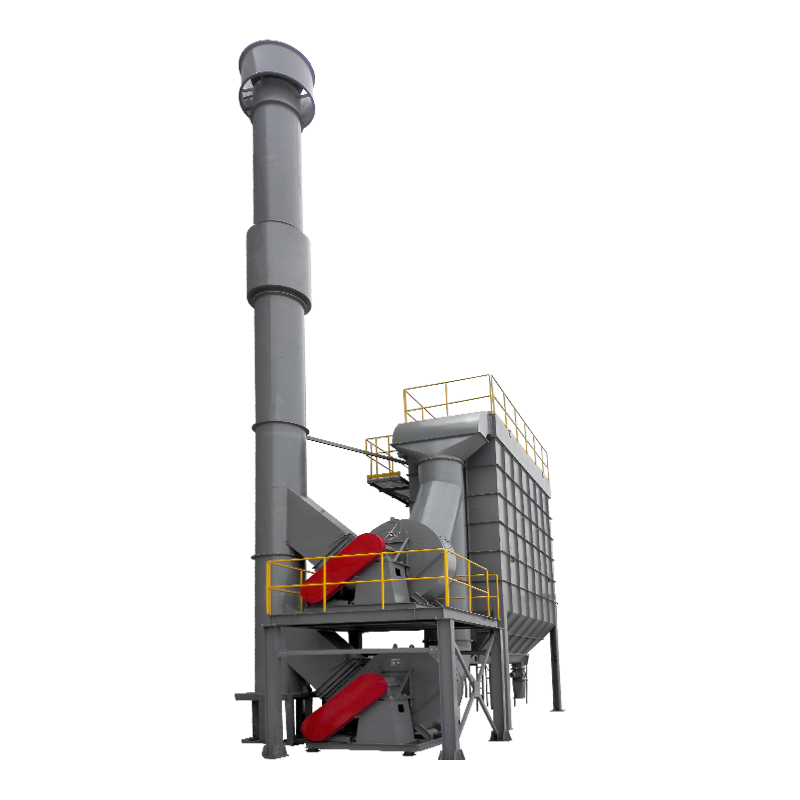
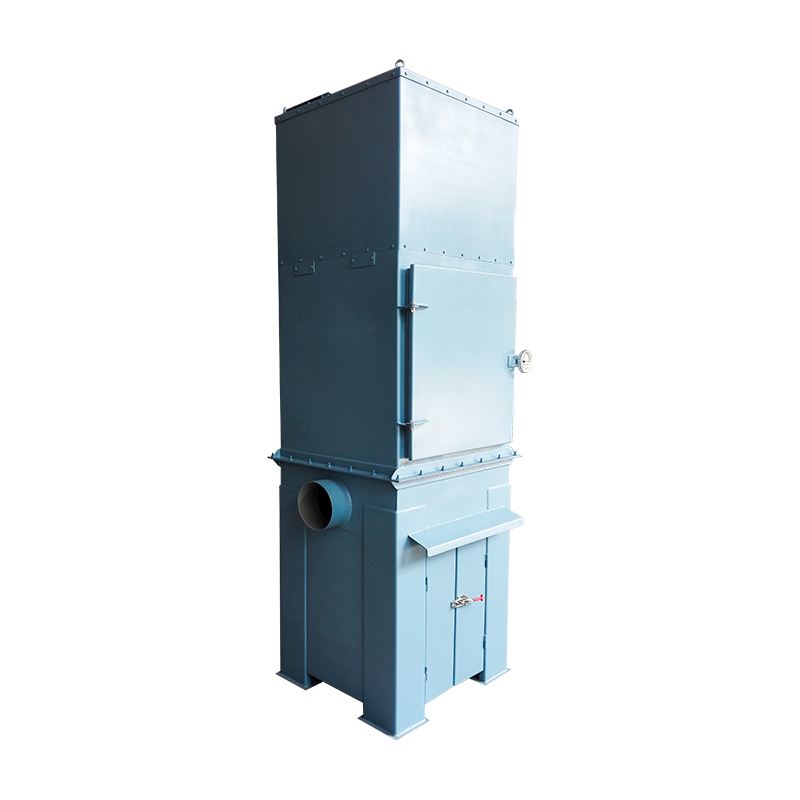
An industrial pulse jet blowing bag dust collector is the most effective, reliable, and widely applicable solution for controlling particulate emissions and recovering valuable materials in heavy-duty manufacturing environments. Unlike mechanical shakers or reverse air systems, pulse jet technology utilizes high-pressure compressed air bursts to continuously clean filter bags without interrupting the main airflow. This results in consistently high filtration efficiency, lower operational downtime, and a smaller overall equipment footprint. For any facility dealing with large volumes of fine, dry dust, this technology represents the gold standard in industrial air quality management, ensuring both environmental compliance and workplace safety.
Fundamental Working Principles
Understanding how an industrial pulse jet bag dust collector operates requires a look at its two alternating phases: the filtration phase and the cleaning phase. During normal operation, dirty air is drawn into the unit by an exhaust fan. The air passes through cylindrical filter bags, leaving dust particles trapped on the outer surface while clean air exits through the top. Over time, a dust cake forms on the bags, which actually enhances filtration efficiency for ultra-fine particles but eventually restricts airflow.
To prevent excessive pressure drop, the pulse jet cleaning mechanism is activated. A timer or differential pressure sensor triggers a solenoid valve, releasing a short, powerful burst of compressed air down the inside of the bag. This sudden expansion creates a shockwave that travels down the fabric, flexing it violently and dislodging the accumulated dust cake into a hopper below. The entire cleaning process for a single row of bags takes only a fraction of a second, meaning the collector operates in a continuous online cleaning mode. Other compartments continue filtering while one row is cleaned, ensuring zero interruption to the production process.
Critical Components and Their Functions
The efficiency of a pulse jet dust collector relies on the seamless integration of several heavy-duty components. Each part plays a specific role in managing harsh industrial airstreams.
Filter Bags and Cages
The filter bags are the primary filtration medium, typically made from felted fabric such as polyester, acrylic, Nomex, or PTFE, depending on the temperature and chemical properties of the dust. Because the pulse jet cleaning creates sudden internal pressure, the bags must be supported by rigid wire cages to prevent them from collapsing or tearing.
Pulse Valve and Diaphragm
The pulse valve is the heart of the cleaning system. It consists of a diaphragm that seals a reservoir of compressed air. When the electromagnetic solenoid is energized, the diaphragm lifts instantly, releasing the air. The speed and precision of this valve determine the cleaning efficiency; a slow-acting valve will waste compressed air and fail to clean the bags properly.
Hopper and Discharge Mechanism
Once the dust is dislodged, it falls into a tapered hopper at the bottom. Hopper walls are designed with steep angles to prevent bridging or rat-holing of the dust. Rotary airlock valves are usually installed at the bottom of the hopper to continuously discharge the collected dust while preventing outside air from leaking into the system, which would disrupt the airflow balance.
Differential Pressure Gauge
This instrument measures the resistance of the airflow across the filter bags. A rising pressure drop indicates that the bags are becoming clogged, triggering the cleaning cycle. Relying solely on timers can lead to over-cleaning (wearing out bags prematurely) or under-cleaning (causing high energy consumption), making the differential pressure gauge a critical component for optimized operation.
Key Advantages Over Alternative Technologies
When facility managers evaluate dust collection options, they often compare pulse jet systems against mechanical shaker collectors and reverse air cleaners. The pulse jet design dominates modern industry due to several distinct advantages.
- Continuous Operation: Because cleaning occurs row by row without isolating entire compartments, the system maintains a steady exhaust volume, which is essential for processes that cannot tolerate airflow fluctuations.
- Higher Air-to-Cloth Ratios: Pulse jet collectors can handle significantly more air volume per square meter of filter fabric. This means a pulse jet unit can be physically much smaller than a reverse air unit designed for the same airflow, saving valuable floor space.
- Superior Fine Dust Capture: The aggressive flexing action of the pulse jet cleans the fabric deeply without leaving a thick, rigid dust cake. This allows for the use of specialized surface-treated fabrics that capture sub-micron particles with over 99 percent efficiency.
- Reduced Mechanical Wear: Mechanical shakers rely on physical motors and shaking mechanisms that are prone to vibrating loose and breaking down. Pulse jet systems have no moving parts in the cleaning mechanism except for the valve diaphragm, resulting in lower maintenance requirements.
| Feature | Pulse Jet | Mechanical Shaker | Reverse Air |
|---|---|---|---|
| Operation Mode | Continuous | Intermittent | Intermittent |
| Air-to-Cloth Ratio | High | Low | Low |
| Equipment Footprint | Compact | Large | Very Large |
| Moving Parts | Minimal | Extensive | Moderate |
Primary Industrial Applications
The versatility of the industrial pulse jet blowing bag dust collector allows it to be deployed across a wide spectrum of industries. Its ability to handle high dust concentrations and varying particle sizes makes it indispensable wherever bulk material processing occurs.
Metalworking and Foundries
In metal fabrication and foundry operations, grinding, welding, and casting generate heavy loads of metallic dust and fumes. Pulse jet collectors equipped with flame-retardant or spark-resistant fabrics safely capture these hazardous materials. Without this level of extraction, metallic dust poses severe explosion risks and can cause chronic respiratory illnesses in workers.
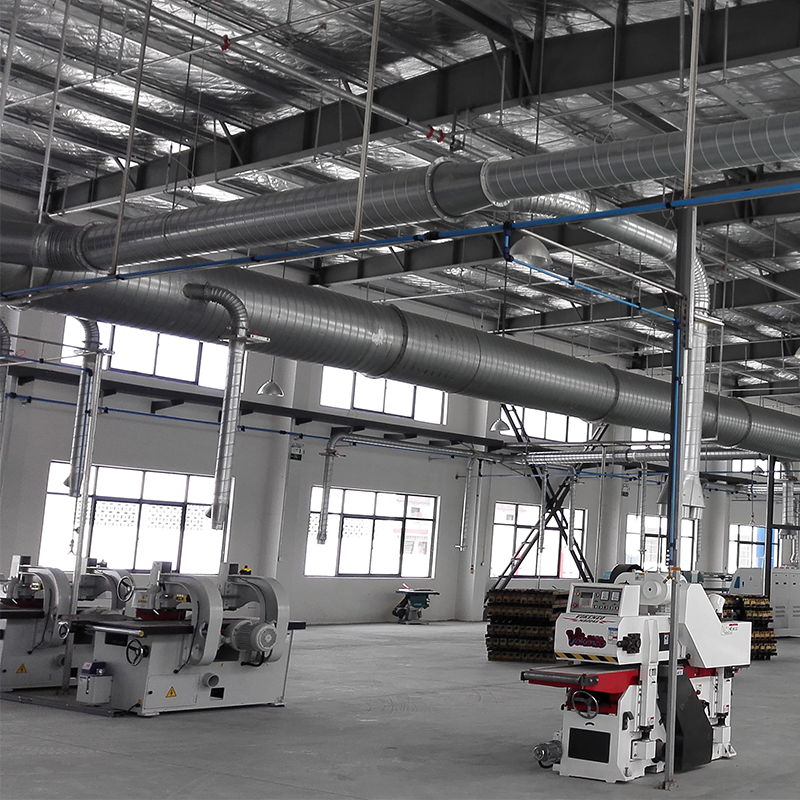
Woodworking and Furniture Manufacturing
Woodworking creates large volumes of dry, fluffy sawdust and sanding dust. This dust is highly combustible and can quickly overwhelm standard shop vacuums. Pulse jet systems are ideal here because the high-pressure air bursts effectively dislodge the sticky, fibrous dust from the filter bags, maintaining strong suction at the CNC machines and saws.
Mining and Minerals Processing
Crushing, screening, and conveying rocks and minerals produce immense amounts of silica dust. In these environments, the dust is highly abrasive. Pulse jet collectors used in mining are often built with heavy-gauge steel housings and lined with abrasion-resistant coatings to withstand the physical beating from the incoming dust-laden air.
Food and Pharmaceutical Processing
Handling bulk powders like flour, sugar, or active pharmaceutical ingredients requires extremely sanitary conditions. In these applications, pulse jet collectors are fabricated from stainless steel to prevent corrosion and bacterial growth. The recovered dust is often a valuable product, so the collectors are designed to gently clean the bags and return the intact powder back into the production stream.
Filter Media Selection Strategy
Choosing the correct filter bag material is arguably the most critical decision in designing a pulse jet dust collector. Using the wrong fabric will lead to rapid bag failure, frequent shutdowns, and unsafe emissions, regardless of how well the rest of the system is engineered.
The selection process must account for the chemical composition of the dust, the operating temperature, the moisture content, and the abrasiveness of the particles. For standard ambient temperature applications involving non-hygroscopic dust, polyester felt is the most cost-effective choice. If the airstream contains moisture, polyester will absorb water and blind, requiring a hydrophobic treatment or a switch to acrylic felt.
For high-temperature environments, such as boiler exhaust or asphalt mixing, aramid fibers or PTFE membranes are necessary. PTFE membrane laminated over a felt substrate offers exceptional release properties, meaning the dust cake falls off effortlessly during the pulse jet cycle, keeping the pressure drop extremely low. Furthermore, if the dust is highly abrasive, such as silica sand or alumina, the bag cages should be coated with a protective polymer to prevent the wire from sawing through the fabric during the violent cleaning pulses.
Compressed Air System Considerations
The pulse jet cleaning mechanism is entirely dependent on a reliable supply of high-quality compressed air. A common mistake in industrial facilities is connecting a dust collector to a wet, dirty, or poorly regulated compressed air line. If moisture or oil enters the pulse valves, the diaphragms will stick, and the cleaning cycle will fail. When cleaning fails, the pressure drop across the bags skyrockets, the exhaust fan draws more power, and dust eventually punches through the fabric.
To prevent this, a dedicated compressed air treatment station should be installed immediately before the dust collector. This typically includes a coalescing filter to remove oil aerosols, a desiccant dryer to drop the dew point below ambient temperatures, and a pressure regulator. The cleaning pressure must be carefully tuned; too low, and the dust cake will not release; too high, and the bags will suffer premature structural fatigue, blowing out at the seams. Properly regulated, dry compressed air is the lifeblood of the pulse jet system.
Essential Maintenance and Troubleshooting Practices
While pulse jet dust collectors are designed for rugged industrial use, they are not maintenance-free. A proactive maintenance strategy focuses on identifying minor issues before they cause catastrophic bag failures or environmental violations.
- Routine Visual Inspections: During scheduled shutdowns, technicians should inspect the clean-air plenum for dust buildup. If dust is found on the wrong side of the bags, it indicates pinholes, broken seams, or failed clamps that require immediate replacement.
- Differential Pressure Monitoring: Operators should log the baseline pressure drop when the bags are new and clean. A gradual increase over time indicates normal dust loading, but a sudden spike usually means a bag has collapsed or the hopper is full of dust, starving the system of its collection volume.
- Pulse Valve Testing: A simple diagnostic tool is a long wooden stick or a specialized magnetic wand. By placing it against the pulse valve and feeling the diaphragm actuate, a technician can verify that every valve is firing properly. A dead valve in the middle of the collector will cause localized overloading and premature bag failure in that specific row.
- Hopper Management: The hopper should never be used as a storage bin for dust. If dust levels reach the filter tubes, the cleaning air has nowhere to blow the dust, and the bags will become permanently plugged. Discharge devices like rotary valves must be checked for wear and maintained to ensure continuous, unimpeded dust removal.
Safety and Explosion Protection Measures
Many industrial dusts, including those from wood, grain, plastics, and certain metals, are combustible. When these dusts are suspended in the air inside a dust collector at sufficient concentrations, a simple spark from a static discharge or a hot ember can trigger a catastrophic deflagration. Therefore, understanding and implementing explosion protection is a non-negotiable aspect of owning an industrial pulse jet bag dust collector.
The primary defense is explosion venting. Explosion relief panels are installed on the walls of the collector and the hopper. In the event of an explosion, these panels burst open instantly, venting the pressure and flames safely outside the building before the structural integrity of the vessel is compromised. For indoor installations where venting outside is impossible, flameless explosion vents are used, which contain a specialized mesh to quench the flames while releasing the pressure.
Beyond venting, many systems incorporate mechanical isolation devices. If an explosion occurs in the dust collector, fast-acting slide gates or chemical isolation barriers installed in the ductwork slam shut, preventing the pressure wave and fireball from traveling backward into the workshop or upstream processing equipment. Additionally, grounding the entire system, including the filter bags and cages, is critical to dissipate static electricity generated by dry dust rubbing against the fabric. Anti-static filter fabrics with woven carbon fibers are often mandated in these hazardous environments to provide a continuous path to ground.
Future Trends in Pulse Jet Dust Collection
As industrial regulations tighten and energy costs rise, the engineering behind pulse jet bag dust collectors continues to evolve. One of the most significant trends is the integration of smart sensors and Internet of Things connectivity. Modern controllers can now monitor differential pressure, compressed air consumption, and valve response times in real-time, sending alerts to operators before a failure occurs. This predictive maintenance approach shifts the paradigm from reactive repairs to planned interventions, drastically reducing unplanned downtime.
Another major development is the advancement in nanofiber filter media. By spinning microscopic fibers onto the surface of traditional felt bags, manufacturers create a membrane that captures ultra-fine particles while maintaining exceptionally low air resistance. This nanofiber technology allows the dust collector to achieve higher airflow capacities without increasing the physical size of the unit or the energy consumption of the exhaust fan. As sustainability becomes a core focus for manufacturing facilities, energy-efficient pulse jet dust collectors equipped with advanced media and intelligent controls will continue to be the cornerstone of responsible industrial air quality management.