 English
 Español
 عربى
عربى
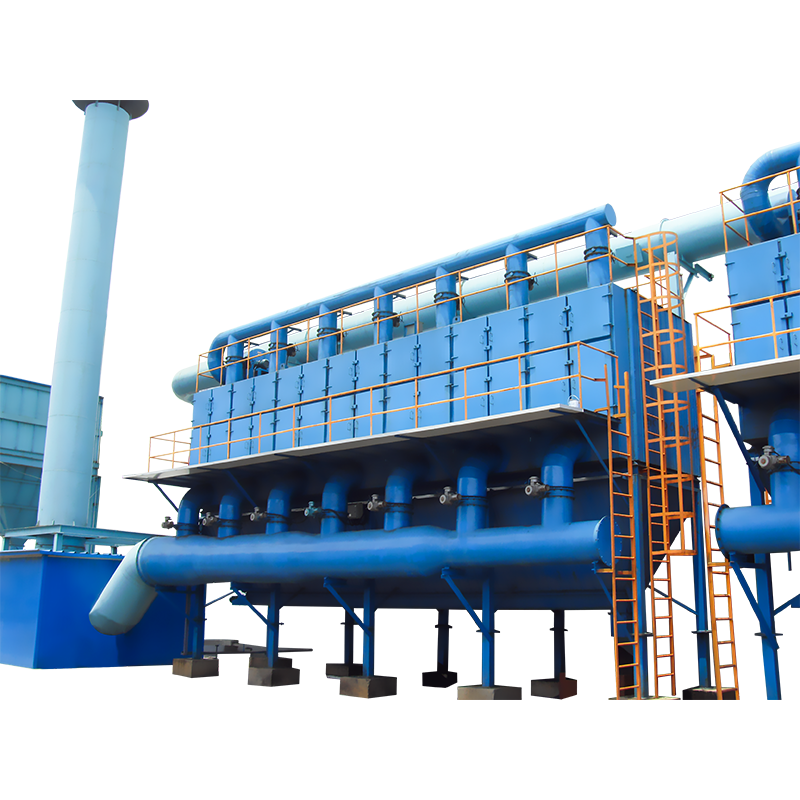
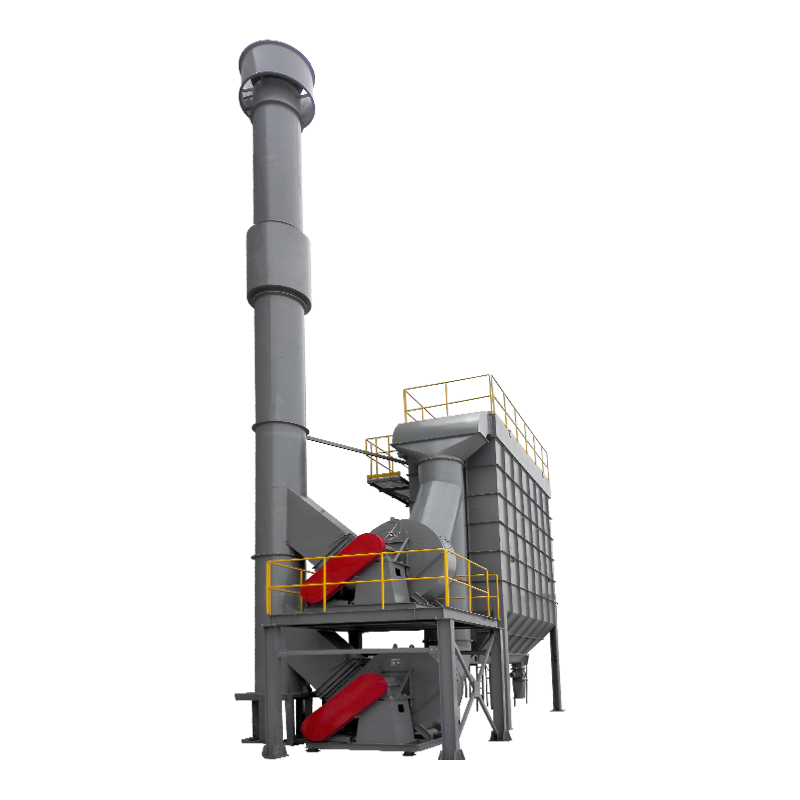
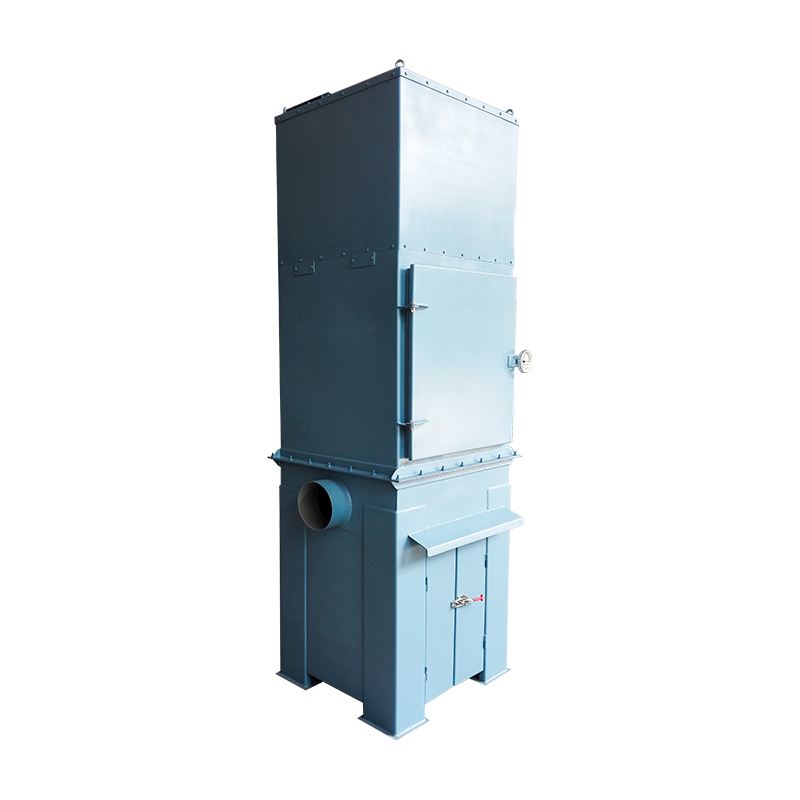
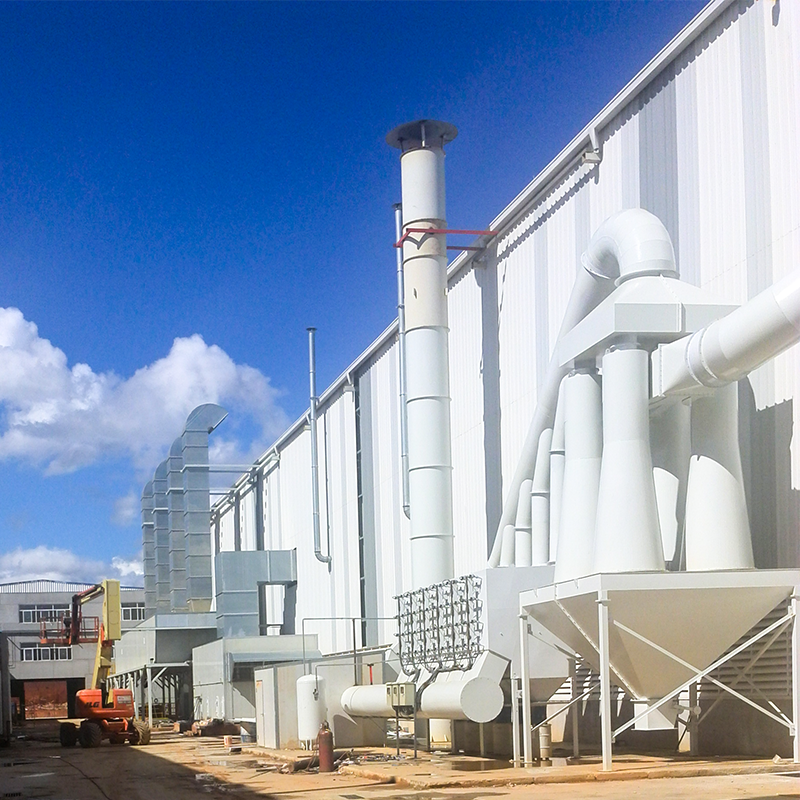
The pulse jet collection system machine is a high-efficiency industrial dust removal and particle collection device with an automatic online cleaning function, which is the core equipment for controlling industrial particulate emissions and recovering fine materials. It can continuously maintain stable collection efficiency under high-concentration dust working conditions, with a dust removal efficiency of up to 99.5% and a long service life. It is widely used in manufacturing, mining, metallurgy, chemical industry, and other fields, and has become an indispensable environmental protection and material recovery equipment in modern industrial production.
Different from traditional gravity sedimentation and mechanical dust removal equipment, this machine adopts pulse jet airflow to quickly remove dust attached to the surface of filter materials, realizing uninterrupted operation and high-efficiency collection. Its core advantages lie in stable performance, low operating cost, strong adaptability to working conditions, and compliance with strict environmental protection emission standards. For industrial sites with continuous production and high dust concentration, the pulse jet collection system is the optimal technical solution.
Working Principle of Pulse Jet Collection System Machine
The operating process of the pulse jet collection system machine is divided into three core stages: dust-laden gas filtration, pulse jet cleaning, and dust collection and discharge. The entire system runs automatically under the control of a pneumatic or electric control system, without manual intervention during normal operation.
Filtration Stage
Dust-laden gas generated by industrial production enters the machine through the air inlet and passes through the filter material from the outside to the inside under negative pressure or positive pressure. The filter material intercepts particulate matter, and the purified gas is discharged from the air outlet. In the initial stage of operation, dust will gradually accumulate on the outer surface of the filter material to form a dust layer, which further improves the filtration efficiency. When the dust layer thickness reaches a set value, the system automatically triggers the cleaning program.
Pulse Jet Cleaning Stage
This is the core link of the equipment. The high-pressure air storage tank releases compressed air instantaneously through the pulse valve, and the high-speed jet airflow is injected into the filter bag or filter cartridge along the axial direction. The instantaneous strong airflow generates induced air, which expands and vibrates the filter material violently, making the attached dust fall off quickly. The cleaning process is completed in 0.1 to 0.2 seconds per group, and the online cleaning is realized without stopping the machine.
Dust Collection and Discharge Stage
The dust falling off from the filter material settles to the ash hopper at the bottom of the equipment under the action of gravity. The ash discharge device regularly discharges the collected dust, which can be recycled or disposed of centrally. This closed-loop operation ensures that the equipment maintains high collection efficiency for a long time.
Key Structural Components of the Pulse Jet Collection System Machine
The pulse jet collection system machine is composed of multiple functional components, each of which plays an irreplaceable role. The coordination and stability of the components directly determine the overall performance and service life of the equipment.
Filter Components
Filter components are the core of dust collection, mainly including filter bags and filter cartridges. The selection of filter material is based on the temperature, humidity, corrosiveness, and particle size of dust-laden gas. Common filter materials include polyester, aramid, PTFE, etc., which can adapt to -40℃ to 260℃ operating environments. High-quality filter components can intercept fine particles below 1 micron, ensuring ultra-high collection efficiency.
Pulse Jet System
The pulse jet system includes air storage tanks, pulse valves, jet pipes, and nozzles. The pulse valve is the key control component, which controls the instantaneous release of high-pressure air. The nozzle design adopts precision processing technology to ensure that the jet airflow can evenly act on the entire filter component, avoiding incomplete cleaning or damage to the filter material caused by partial airflow.
Control System
The automatic control system adopts a programmable controller, which can adjust the pulse cleaning interval, jet pressure and cleaning duration according to the actual dust concentration. It has functions such as fault alarm, pressure difference monitoring and automatic operation, which simplifies the operation difficulty and improves the intelligence level of the equipment.
Ash Handling System
The ash handling system includes ash hoppers, screw conveyors, flap valves, and star dischargers. The ash hopper adopts an inclined design to ensure smooth dust settlement and prevent dust accumulation and bridging. The ash discharge device runs stably, realizing continuous and uniform discharge of dust.
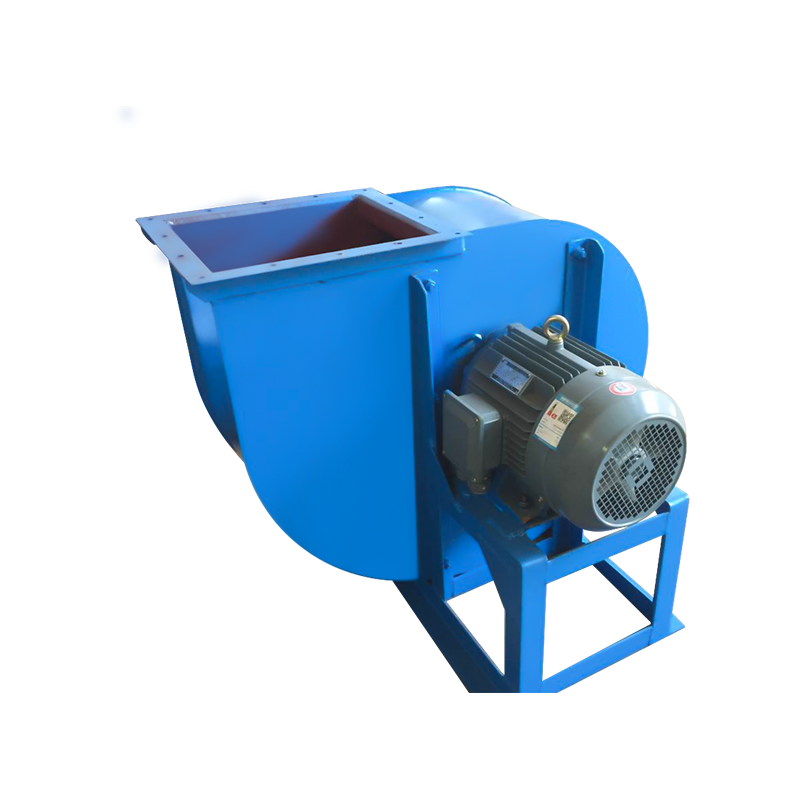
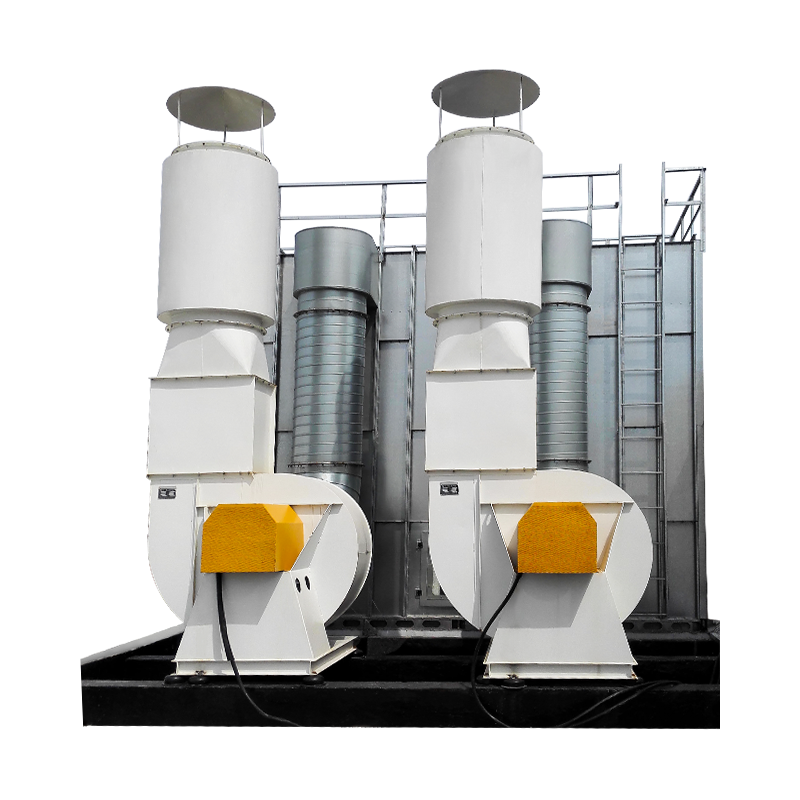
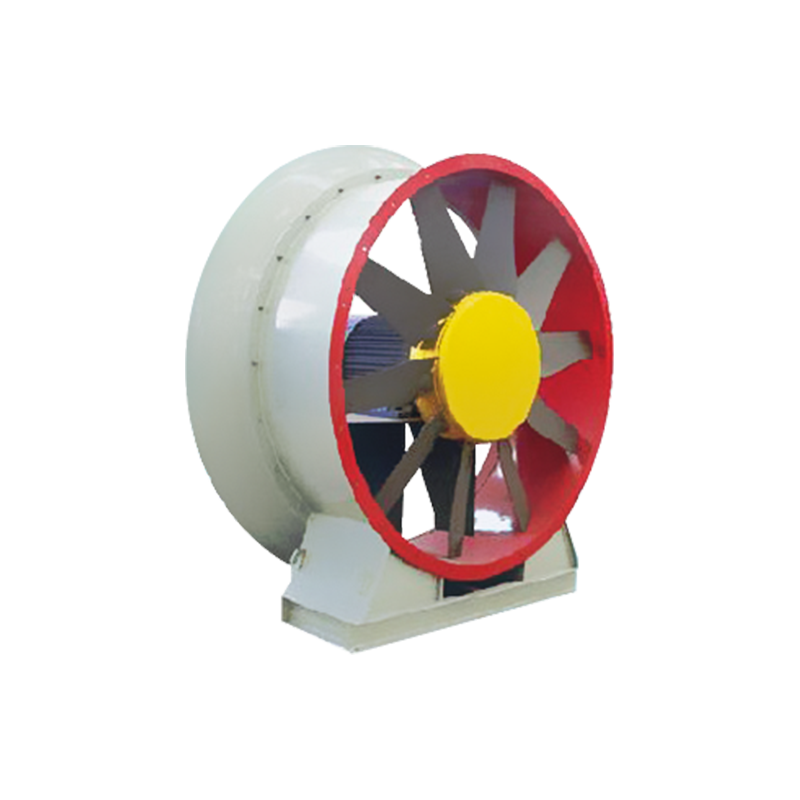
Fan and Air Duct System
The fan provides power for the operation of the equipment, forming a negative or positive pressure air duct environment. The air duct design follows fluid dynamics principles to reduce air resistance and energy consumption, ensuring the stable flow of dust-laden gas and the smooth discharge of purified gas.
Performance Advantages of the Pulse Jet Collection System Machine
Compared with other dust collection equipment, the pulse jet collection system has obvious performance advantages, which is the main reason why it is widely used in various industrial fields.
High-Efficiency Dust Collection and Material Recovery
The equipment has a dust removal efficiency of 99.5% or higher, which can effectively capture fine particulate matter and avoid material loss. For industries with high material recovery value, such as the chemical industry and food processing, it can realize the recycling of raw materials and reduce production costs.
Online Automatic Cleaning, Uninterrupted Operation
The pulse jet cleaning technology realizes online cleaning without shutting down the production line, which is especially suitable for continuous production industrial sites. This advantage greatly improves production efficiency and avoids economic losses caused by equipment shutdown and maintenance.
Wide Adaptability to Working Conditions
It can adapt to high temperature, high humidity, corrosive, high-concentration dust and other complex working conditions. By replacing different filter materials and adjusting jet parameters, it can meet the dust collection needs of different industries and different production processes, with strong flexibility.
Low Operating and Maintenance Costs
The filter material has a long service life, generally up to 2 to 4 years. The pulse jet system has low energy consumption, and the daily maintenance only needs regular inspection of valves and filter components. Compared with manual cleaning equipment, it saves a lot of labor and maintenance costs.
Compact Structure and Small Footprint
The modular design makes the equipment structure compact, reducing the floor space. It is suitable for both new industrial plants and the transformation of old production lines, with strong installation adaptability.
Industrial Applications of Pulse Jet Collection System Machine
The pulse jet collection system machine has a wide range of applications, covering almost all industrial fields with particulate emissions and material recovery needs. The following are the main application scenarios and practical effects.
Metallurgical and Mining Industry
In ore crushing, screening, grinding and smelting processes, a large amount of mineral dust is generated. The pulse jet collection system machine can effectively collect dust, reduce material loss, and meet the environmental protection emission standards of the metallurgical industry. It can adapt to high-concentration and high-weariness dust working conditions, with stable and reliable operation.
Building Materials and Cement Industry
Cement production, lime calcination, concrete mixing and other processes produce a lot of dust. The equipment is used for raw material grinding, kiln tail dust removal and finished product collection, with a collection efficiency of more than 99.6%, effectively controlling particulate emissions and protecting the surrounding environment.
Chemical and Pharmaceutical Industry
The chemical and pharmaceutical industries have high requirements for dust collection, involving toxic, corrosive and high-value fine particles. The equipment adopts anti-corrosion design and professional filter materials, which can safely collect dust and realize the recovery of valuable raw materials, reducing production costs and environmental pollution.
Food and Feed Processing Industry
In grain grinding, ingredient mixing and packaging processes, dust will cause material loss and environmental pollution. The pulse jet collection system machine adopts food-grade filter materials, which can collect food raw materials without pollution, realize material recycling, and meet food safety production standards.
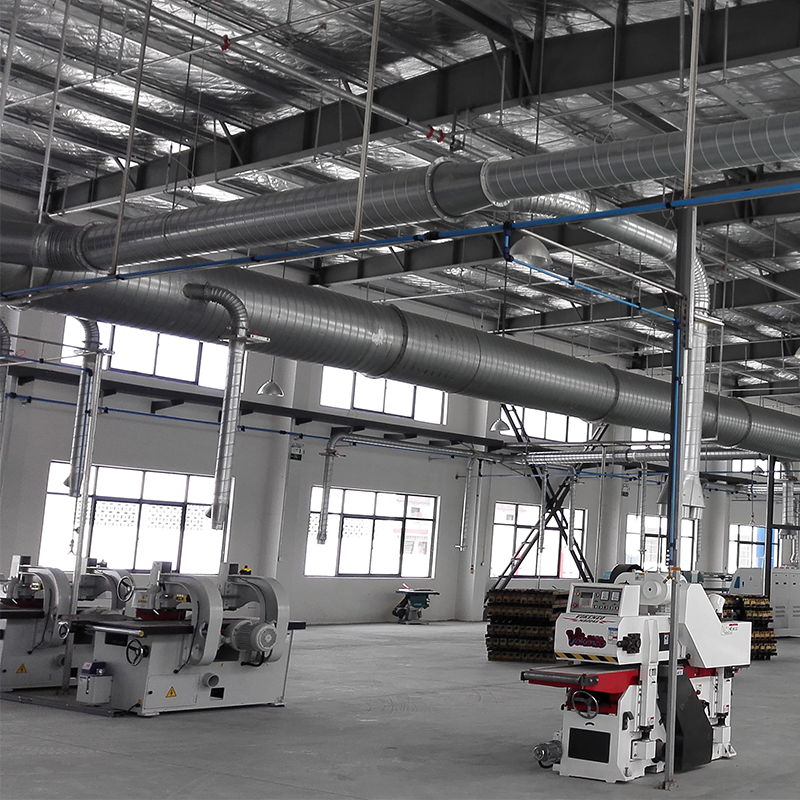
Woodworking and Furniture Manufacturing
Wood processing produces a lot of wood dust, which has the risk of combustion and explosion. The equipment adopts explosion-proof design and pulse jet cleaning, which can safely collect wood dust, eliminate potential safety hazards and improve the workshop production environment.
Selection Criteria for Pulse Jet Collection System Machine
Correct selection is the key to ensure the efficient operation of the pulse jet collection system machine. The selection needs to comprehensively consider multiple factors such as gas volume, dust characteristics, operating environment and emission requirements. The following are the core selection criteria:
- Determine the processing air volume according to the actual production exhaust air volume, and reserve a 10% to 20% margin to adapt to the fluctuation of working conditions;
- Select the filter material according to the temperature, humidity, corrosiveness and particle size of the dust-laden gas to ensure the service life and filtration effect;
- Set the pulse jet pressure and cleaning interval according to the dust concentration, generally the jet pressure is controlled at 0.4 to 0.6 MPa;
- Determine the number and specification of filter components according to the filtration air speed, and the reasonable filtration air speed is between 0.8 and 1.5 m/min;
- Configure explosion-proof, anti-corrosion and heat preservation devices according to the special needs of the working environment to ensure safe operation.
| Dust Characteristics | Suitable Filter Material | Adaptable Temperature |
|---|---|---|
| Normal temperature, non-corrosive | Polyester | -20℃ to 130℃ |
| High temperature, medium corrosive | Aramid | -40℃ to 220℃ |
| Strong corrosive, high temperature | PTFE | -70℃ to 260℃ |
Daily Maintenance and Troubleshooting
Scientific daily maintenance can extend the service life of the pulse jet collection system machine and reduce the failure rate. At the same time, mastering common fault troubleshooting methods can quickly solve operational problems and ensure continuous production.
Daily Maintenance Items
- Check the pressure of the air storage tank every day to ensure it is within the set range;
- Observe the operation of the pulse valve, and replace the damaged valve in time;
- Clean the ash hopper regularly to prevent dust bridging and blockage;
- Check the air tightness of the air duct every month to avoid air leakage and reduce efficiency;
- Inspect the filter components every quarter, and replace the worn or damaged filter materials in advance.
Common Faults and Solutions
Insufficient dust collection effect: The main reasons are filter material damage, low jet pressure or unreasonable cleaning interval. Solutions: Replace the filter material, increase the jet pressure to 0.4-0.6 MPa, and shorten the cleaning interval.
Pulse valve does not inject air: Caused by circuit failure, air path blockage or valve damage. Solutions: Check the control circuit, clear the air path blockage, and replace the faulty pulse valve.
Ash hopper blockage: Caused by high dust humidity or unreasonable hopper design. Solutions: Add a heating device to the ash hopper, and adjust the inclination angle of the hopper to ensure smooth dust discharge.
High system energy consumption: Caused by excessive air leakage or unreasonable fan parameter setting. Solutions: Repair the air duct leakage, and adjust the fan speed to match the processing air volume.
Development Trend of Pulse Jet Collection System Machine
With the continuous improvement of global industrial environmental protection standards and the development of intelligent manufacturing technology, the pulse jet collection system machine is developing in the direction of higher efficiency, lower energy consumption, intelligence and integration.
Intelligent and Automated Upgrade
Future equipment will be equipped with IoT sensors and cloud monitoring systems, realizing remote real-time monitoring of operating parameters such as dust concentration, filter material status and jet pressure. The automatic control system can independently adjust cleaning parameters according to real-time working conditions, realizing fully unmanned operation and maintenance.
High-Efficiency and Low-Consumption Filter Materials
The research and development of new composite filter materials will further improve the filtration efficiency and service life, reduce the operating resistance, and reduce the energy consumption of the fan. The new filter materials can adapt to more extreme working conditions, expanding the application scope of the equipment.
Integration and Modular Design
The integrated design of dust collection, material recovery and waste gas treatment will become the mainstream, reducing the floor space and equipment investment costs. The modular production of components improves the standardization and interchangeability of equipment, making installation and maintenance more convenient.
Green and Environmentally Friendly Development
The equipment will adopt more environmentally friendly materials and processes, reduce noise and secondary pollution in the operation process, and fully meet the global carbon neutrality and environmental protection emission requirements. It will play a greater role in industrial waste gas treatment and circular economy.