 English
 Español
 عربى
عربى
The Critical Necessity of Dust Control
Implementing a robust Dust Remover System is not merely an optional upgrade but a fundamental requirement for maintaining operational integrity, safeguarding worker health, and ensuring compliance with environmental regulations. An efficient system significantly reduces the risk of dust explosions and respiratory diseases, providing a clear return on investment through improved productivity and reduced downtime.
Industrial environments, whether in woodworking, metal processing, or pharmaceutical manufacturing, generate substantial amounts of airborne particulates. Without a dedicated extraction and filtration mechanism, these particles accumulate, leading to hazardous working conditions. The immediate benefit of a high-performance system is the visible improvement in air clarity. However, the long-term advantages extend to machinery longevity, as dust ingress is a primary cause of equipment wear and tear.
Furthermore, regulatory bodies worldwide enforce strict limits on occupational exposure to dust. Failure to control emissions can result in hefty fines and legal repercussions. Therefore, the conclusion is straightforward: a Dust Remover System is an indispensable asset for any modern industrial operation, acting as the primary defense against the pervasive threat of particulate matter.
Fundamental Operational Principles
Understanding how a Dust Remover System functions is essential for optimizing its performance. While designs may vary, the core operational principle remains consistent: capture, convey, separate, and collect. This four-stage process ensures that contaminants are effectively removed from the workspace and stored safely for disposal.
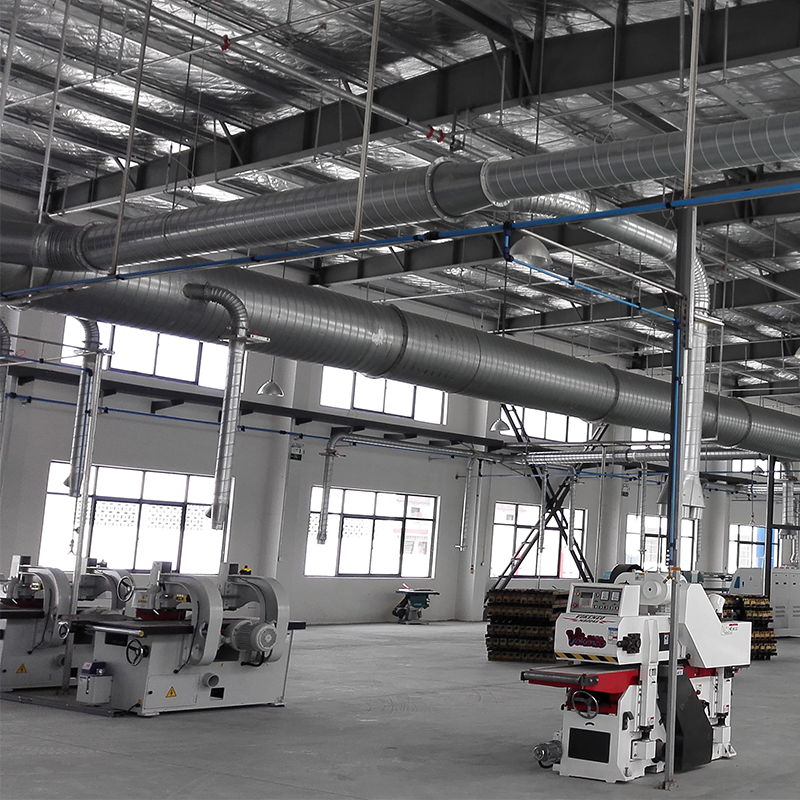
The process begins at the source. Hoods and enclosures are strategically placed to capture dust at its point of generation. This capture phase is critical; without effective containment, the rest of the system is rendered useless. Once captured, the dust-laden air is conveyed through a network of ducts. The design of this ductwork—its diameter, layout, and airflow velocity—must be carefully calculated to prevent particle settling and blockages.
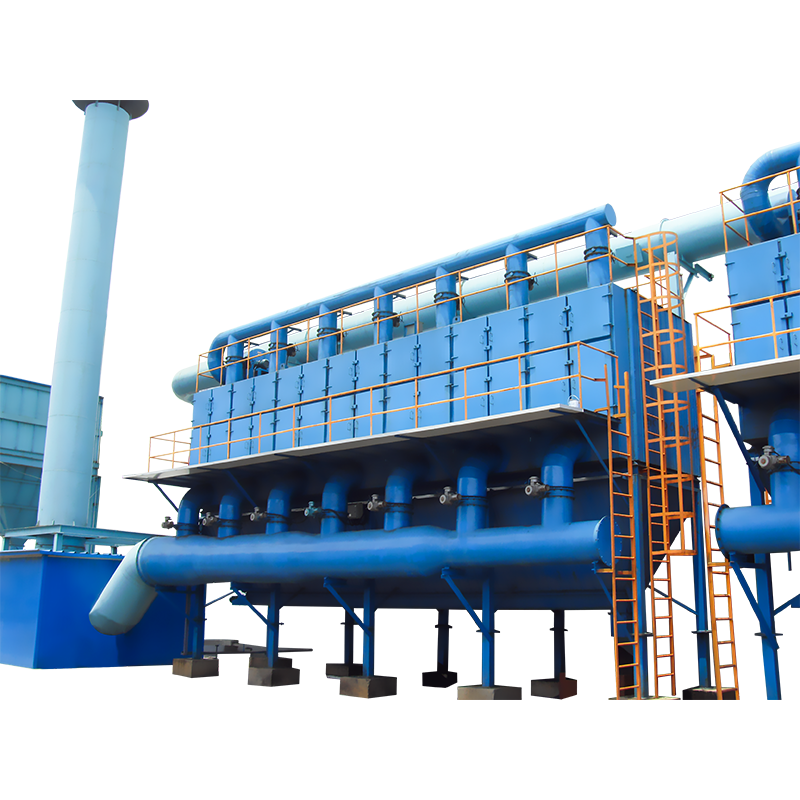
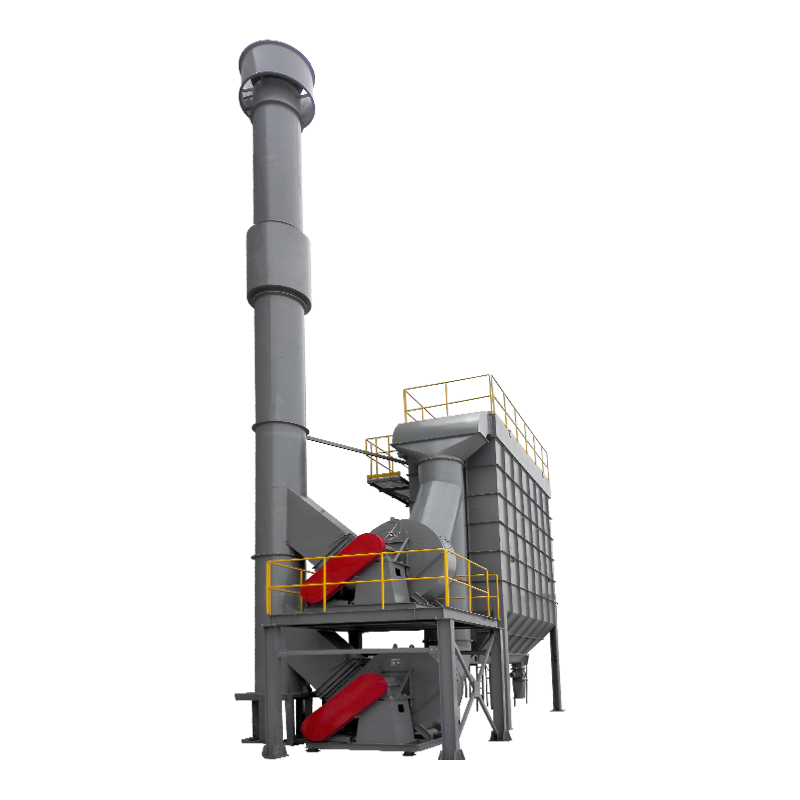
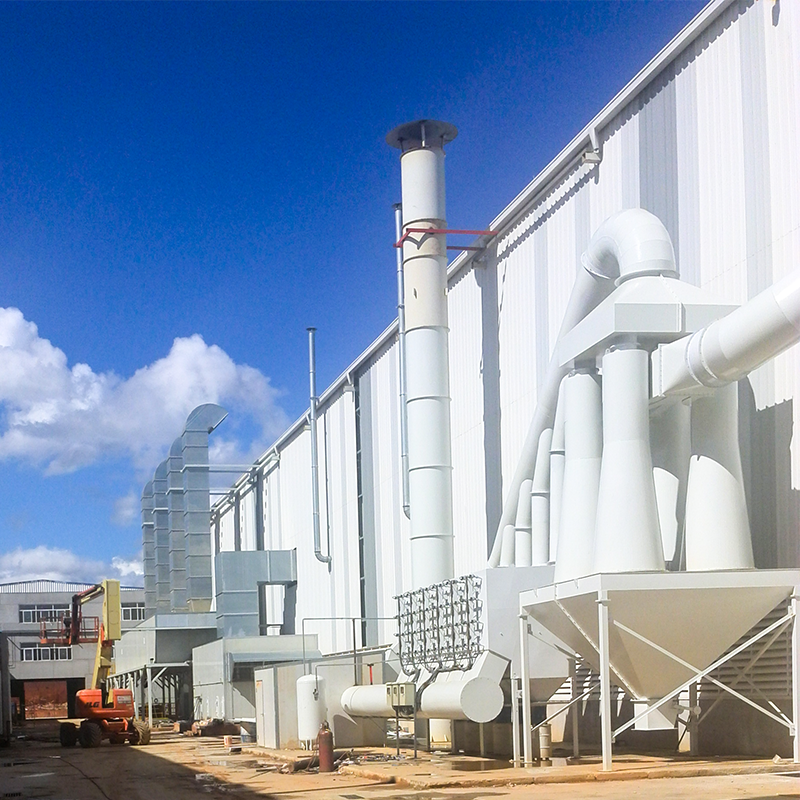
The heart of the system lies in the separation unit. Here, the cleaning mechanism filters out the particulate matter. Depending on the technology used, this might involve centrifugal force, barrier filtration, or electrostatic precipitation. Finally, the collected dust is deposited into a hopper or storage bin, where it can be safely removed. By mastering these principles, facility managers can ensure that their system operates at peak efficiency, minimizing energy consumption while maximizing filtration results.
Comparative Analysis of Filtration Technologies
Selecting the appropriate technology is pivotal for system effectiveness. Different industrial applications generate different types of dust, characterized by particle size, moisture content, and abrasiveness. Below is a comparison of the most common Dust Remover System technologies to aid in the decision-making process.
| Technology Type | Mechanism | Best For | Efficiency |
|---|---|---|---|
| Cyclone Collector | Centrifugal Force | Large, heavy particles | Moderate |
| Fabric Filter (Baghouse) | Surface Filtration | Fine dry dust | High (99%+) |
| Wet Scrubber | Liquid Contact | Moist, sticky, or hot gases | Variable |
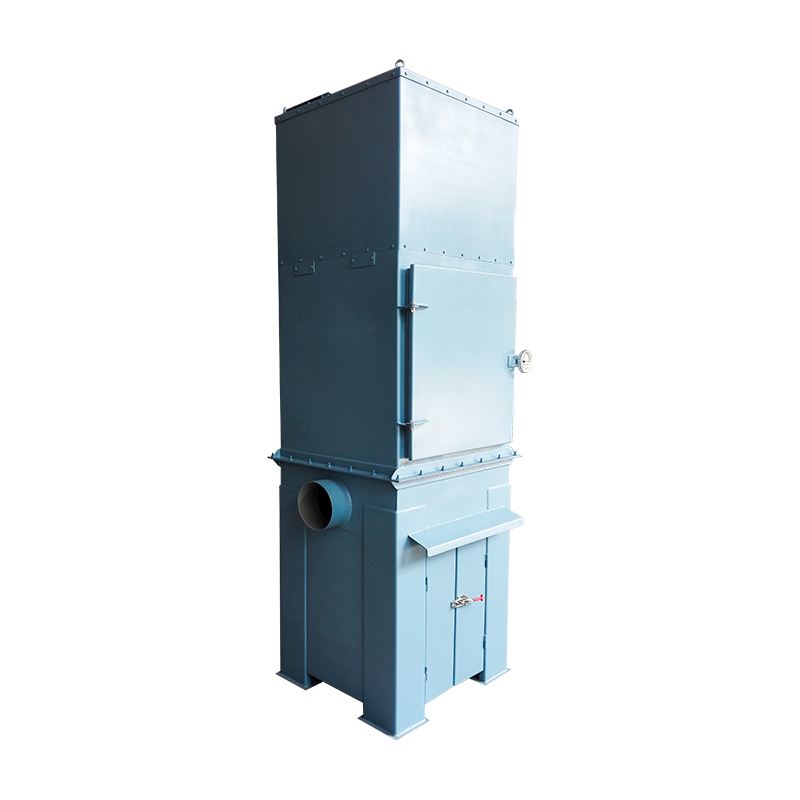
| Cartridge Collector | Surface Filtration | Fine dust with low volume | Very High |
Strategic Selection Criteria
Choosing the right system requires a thorough analysis of the specific operational environment. A "one-size-fits-all" approach rarely works in dust collection. Facility managers must evaluate several critical factors to ensure the chosen system delivers the desired performance without incurring unnecessary operational costs.
- Particle Characteristics: The size, shape, and density of the dust dictate the filtration efficiency required. Fine respirable particles demand high-efficiency filters, whereas larger chips may be handled effectively by simpler cyclonic separators.
- Airflow Requirements: The volume of air that needs to be moved, measured in cubic feet per minute (CFM), determines the size and power of the fan and the diameter of the ductwork.
- Temperature and Moisture: High-temperature applications require specialized filters and construction materials to prevent heat damage. Moisture-laden air often necessitates wet scrubbers to prevent filter blinding.
- Explosivity Risk: Combustible dusts, such as wood or metal fines, require systems equipped with explosion venting, suppression systems, and grounded components to prevent ignition.
By systematically assessing these criteria, operators can narrow down their options. It is often beneficial to consult with ventilation engineers who can model the airflow and predict system performance under various load conditions. This proactive approach prevents common pitfalls such as insufficient capture velocity or excessive pressure drop, both of which compromise system effectiveness.
Maintenance Protocols for Longevity
Even the most advanced Dust Remover System is prone to failure without a rigorous maintenance schedule. Regular upkeep not only extends the lifespan of the equipment but also ensures consistent filtration performance. Maintenance should be viewed not as a repair activity but as a preventative measure.
Filter Inspection and Replacement
The filter is the consumable heart of the system. Over time, dust accumulates on the filter media, increasing the resistance to airflow (pressure drop). While most systems have cleaning mechanisms (like pulse-jet cleaning), filters eventually degrade. Monitoring the differential pressure gauge is essential; a rising pressure drop indicates a clogged filter, while a sudden drop may signal a filter tear. Establishing a replacement schedule based on hours of operation or pressure readings is crucial.
Ductwork and Fan Integrity
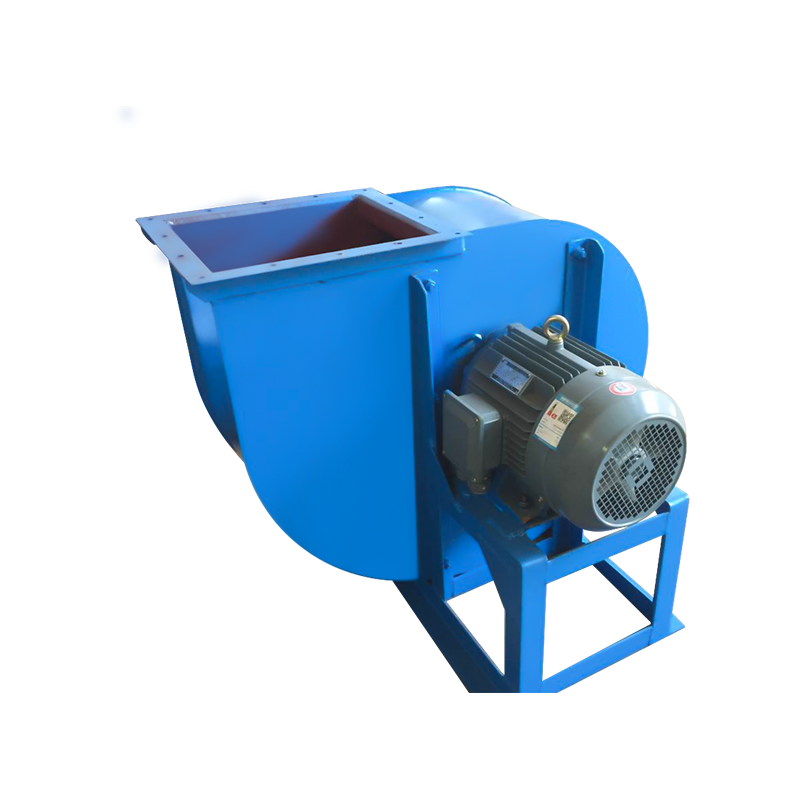
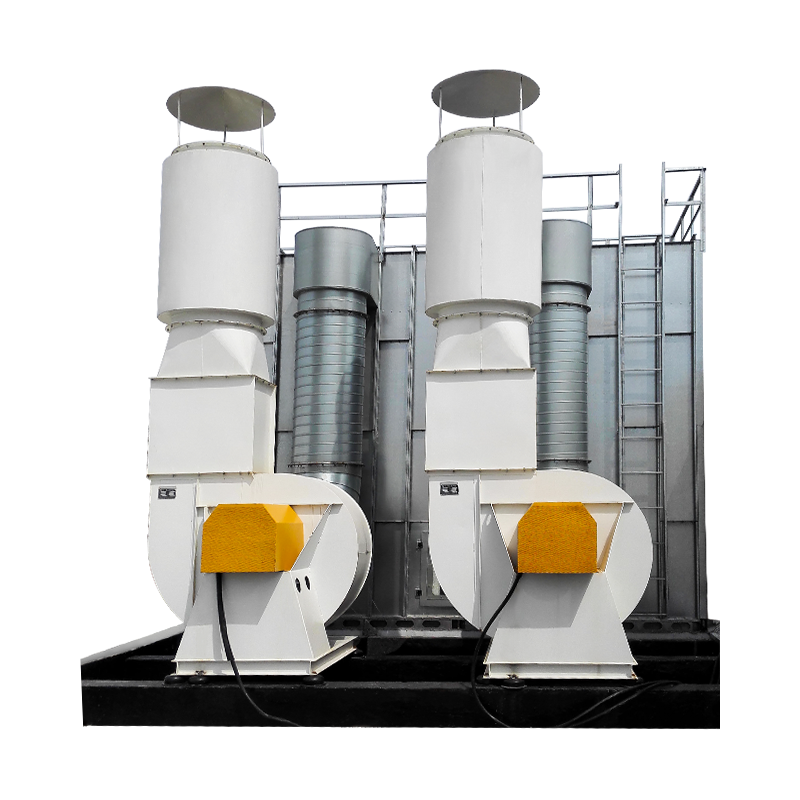
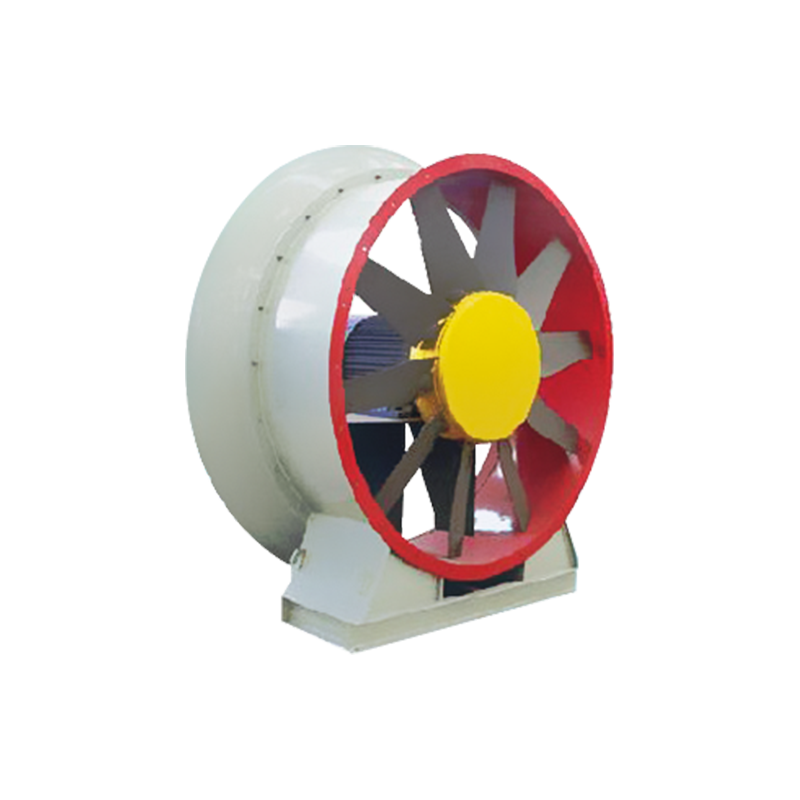
Leaks in the ductwork can significantly reduce the capture velocity at the hoods, rendering the system ineffective. Regular visual inspections should be conducted to identify holes or corrosion, particularly at connection points. Additionally, the fan blades must be checked for dust buildup and balance. Imbalanced fans can cause excessive vibration, leading to bearing failure and structural damage.
Hopper Management
The collection hopper must be emptied regularly. Allowing dust to pile up and touch the filters can damage the media and re-entrain dust into the airstream. In systems with rotary airlocks, ensuring these valves seal properly is vital to prevent air leakage, which disrupts the airflow dynamics of the entire collector.
Health, Safety, and Environmental Impact
The implications of a poorly managed dust environment extend far beyond mere housekeeping. The installation of a Dust Remover System is a direct intervention against severe health risks and environmental hazards.
Exposure to industrial dust can lead to a myriad of respiratory conditions, including asthma, silicosis, and chronic obstructive pulmonary disease (COPD). Fine particles, often invisible to the naked eye, penetrate deep into the lungs and even enter the bloodstream. By removing these contaminants, employers demonstrate a commitment to occupational health, significantly reducing absenteeism and medical costs.
From an environmental perspective, emissions from industrial stacks are heavily regulated. A malfunctioning system can release particulate matter into the atmosphere, contributing to local air pollution and violating environmental standards. Furthermore, the risk of dust explosions—where suspended combustible dust ignites causing catastrophic damage—is a constant threat in industries handling organic or metal powders. A well-designed and maintained system mitigates this risk by keeping dust concentrations below the Lower Explosive Limit (LEL).
In conclusion, the Dust Remover System is a vital component of responsible industrial stewardship. It protects the workforce, preserves the environment, and ensures the smooth continuation of business operations, making it a wise and necessary investment.