 English
 Español
 عربى
عربى
Home / News / Industry News / How Does Environment Protection Bag Filter Dust Collector Help Improve Air Quality and Reduce Pollution?
Introduction: The Relationship Between Environmental Protection and Industrial Pollution
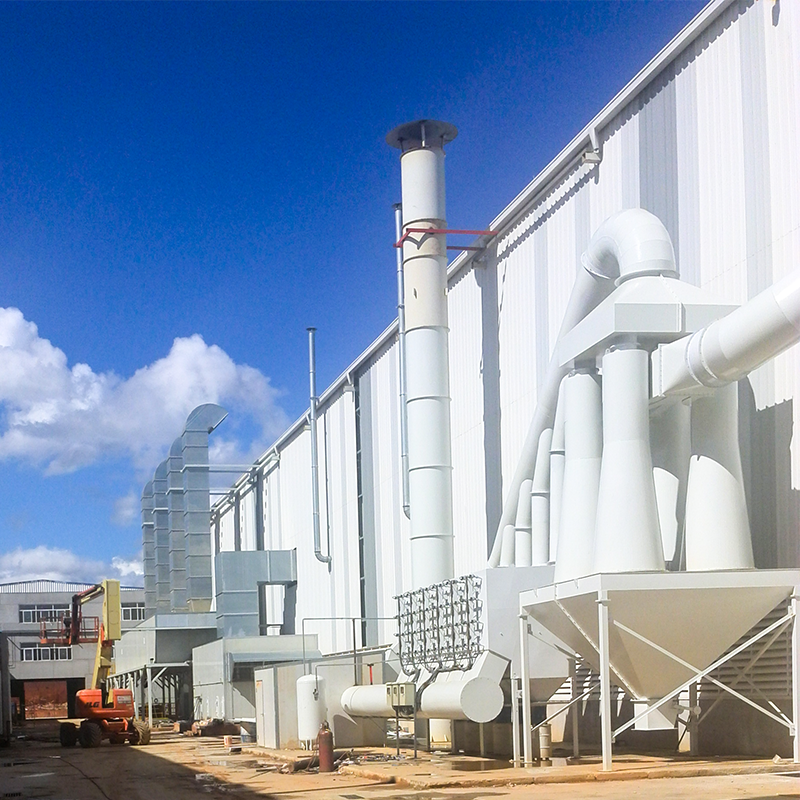
Industrial activities are significant contributors to global pollution, especially air pollution. As a solution, Environment Protection Bag Filter Dust Collectors play a crucial role in minimizing particulate emissions from industries. These dust collectors work effectively to reduce air contamination, improving air quality not only within industrial premises but also in surrounding areas. In this article, we will explore how these systems function and why they are essential for pollution control.
Environment Protection Bag Filter Dust Collector Working Principle
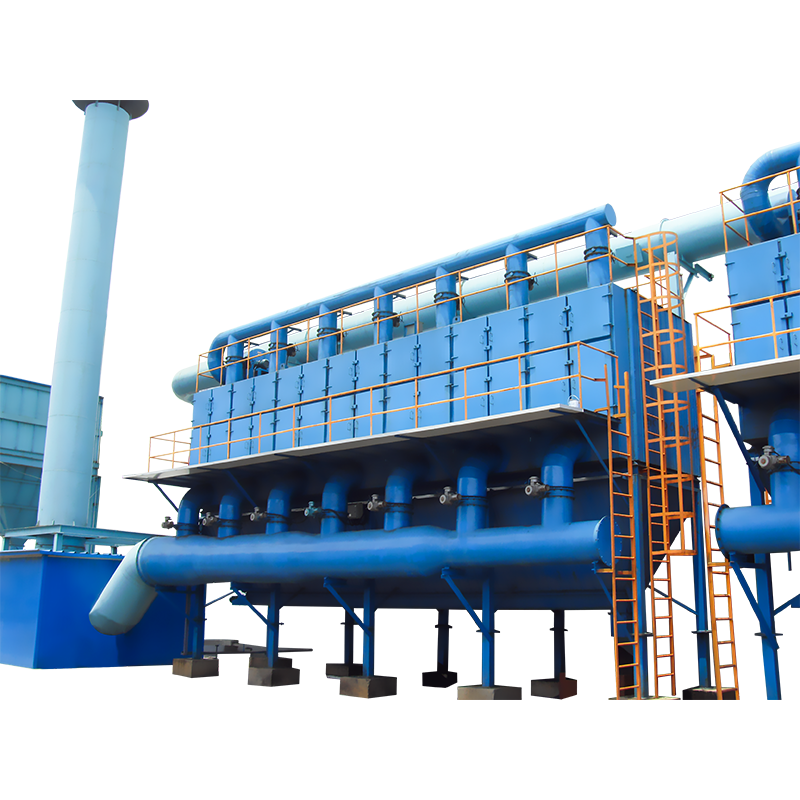
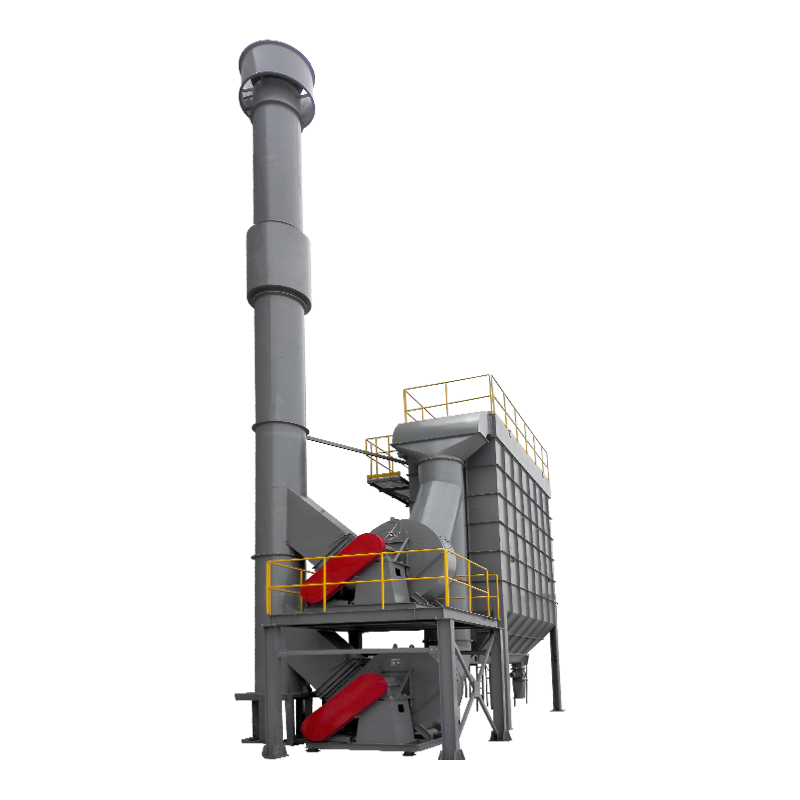
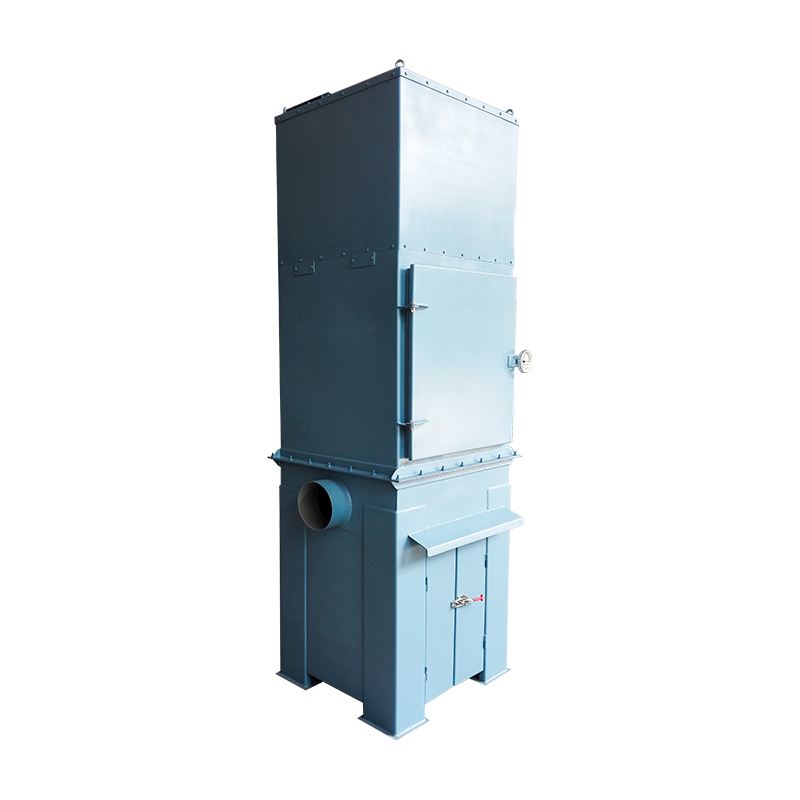
The core function of a Bag Filter Dust Collector lies in its filtration mechanism. These collectors use fabric filters to trap dust particles and pollutants in industrial exhaust systems, improving air quality. The dust-laden air enters the collector, passes through a series of filter bags, and the particles get trapped in the fabric while clean air is released. The captured dust is then collected and disposed of.
Working Mechanism
In general, Bag Filter Dust Collectors operate on a principle of filtration, where larger particles are collected on the surface of the filter bags, and smaller particles may penetrate deeper into the fabric. Over time, the filter bags accumulate dust, which requires periodic cleaning or replacement to maintain the collector’s efficiency. Below is a breakdown of the operation:
| Step | Process |
| 1 | Dirty air enters the collector. |
| 2 | Air passes through the filter bags. |
| 3 | Particulate matter is trapped in the filter material. |
| 4 | Clean air is released into the environment. |
How to Choose the Best Environment Protection Bag Filter Dust Collector for Industrial Use?
When selecting a Bag Filter Dust Collector for industrial applications, it’s crucial to consider various factors to ensure it meets specific operational needs. These factors include filtration efficiency, operational cost, energy consumption, and the overall size of the system. Below are the primary criteria to help in choosing the right system:
- Filtration Efficiency: Ensure the dust collector provides the required filtration for your specific industry.
- Energy Consumption: Choose a collector that balances energy use and performance.
- Maintenance Requirements: Opt for a system that minimizes maintenance while maximizing performance.
- Space Availability: Consider the physical dimensions of the system and its installation requirements.
For Small Factories: Affordable Environment Protection Bag Filter Dust Collector
For small factories, budget considerations are essential. They often seek affordable solutions without compromising performance. In these cases, cost-effective Environment Protection Bag Filter Dust Collectors can provide the necessary pollution control while fitting into a limited budget.
Environment Protection Bag Filter Dust Collector and Its Role in Reducing Industrial Pollution
Industrial pollution, especially in factories with heavy dust generation, poses significant risks to the environment and public health. Bag Filter Dust Collectors help mitigate these risks by capturing dust particles that would otherwise be released into the atmosphere. These systems are highly efficient at removing particulate matter from industrial emissions, thereby preventing pollution and improving air quality in both the local and global environment.
How Bag Filter Dust Collectors Improve Air Quality
By effectively filtering dust and other particulate pollutants, Bag Filter Dust Collectors contribute to reducing harmful emissions that affect air quality. Cleaner air not only improves worker health but also ensures compliance with environmental regulations aimed at protecting the ecosystem.
Maintaining Your Environment Protection Bag Filter Dust Collector for Optimal Performance
Proper maintenance is key to ensuring the longevity and efficiency of any dust collector system. For Bag Filter Dust Collectors, regular inspection and cleaning of filter bags, checking airflow, and removing accumulated dust are essential steps. Neglecting these maintenance tasks can reduce the collector's efficiency and cause operational issues.
Maintenance Checklist
- Inspect filter bags regularly for signs of wear or damage.
- Clean the filter bags to remove accumulated dust and debris.
- Check for leaks in the system that could allow pollutants to escape.
- Monitor system pressure and airflow for any irregularities.
Environment Protection Bag Filter Dust Collectors and Compliance with Environmental Standards
Compliance with environmental standards is mandatory for many industries, and Bag Filter Dust Collectors help ensure this compliance. In various industries, regulations require a certain level of air quality, and using these dust collectors helps businesses meet regulatory requirements for particulate emissions. Below is a comparison of regulatory requirements:
| Regulation | Requirement | Role of Bag Filter Dust Collector |
| Local Air Quality Standards | Limits on particulate matter emissions | Bag Filter Dust Collectors help reduce emissions to comply with these limits. |
| Industry-Specific Regulations | Dust control in specific manufacturing sectors | Bag Filter Dust Collectors provide efficient dust filtration, helping industries meet sector-specific emissions standards. |
Conclusion: The Impact of Environment Protection Bag Filter Dust Collectors on Future Air Quality
As industrial activities continue to evolve, the need for efficient pollution control systems becomes more pressing. Environment Protection Bag Filter Dust Collectors offer a sustainable solution to combat air pollution and improve air quality in industrial areas. By maintaining these systems and selecting the right equipment, businesses can contribute significantly to environmental preservation and public health.
Frequently Asked Questions (FAQ)
1. What is the primary function of a Bag Filter Dust Collector?
The primary function is to capture dust and particulate matter from industrial exhaust gases to improve air quality and reduce pollution.
2. How do Bag Filter Dust Collectors improve air quality?
They capture harmful dust particles from industrial emissions, which prevents these particles from being released into the atmosphere, thus improving air quality.
3. How often should a Bag Filter Dust Collector be maintained?
Regular maintenance is essential. Inspect filter bags at least once every six months, and clean or replace them as needed.
4. Can Bag Filter Dust Collectors help small factories?
Yes, small factories can benefit from affordable Bag Filter Dust Collectors that help reduce pollution while meeting environmental regulations.
5. How do Bag Filter Dust Collectors contribute to environmental compliance?
They help businesses meet local and industry-specific air quality standards by reducing particulate emissions in exhaust air.