 English
 Español
 عربى
عربى
Home / News / Industry News / How the Design of a Pulse Jet Collection System Machine Affects Its Efficiency in Dust Removal?
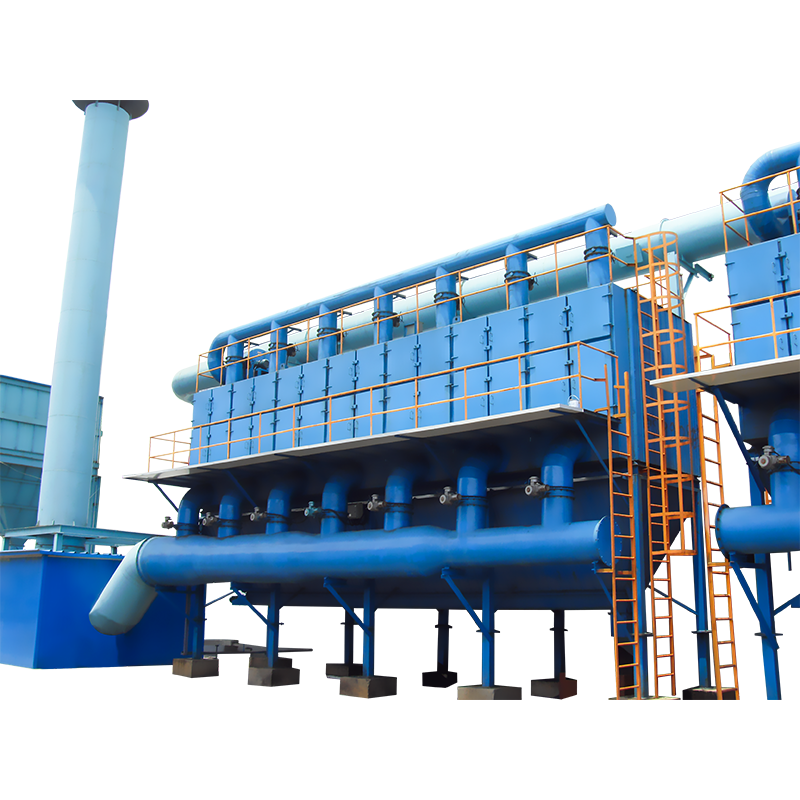
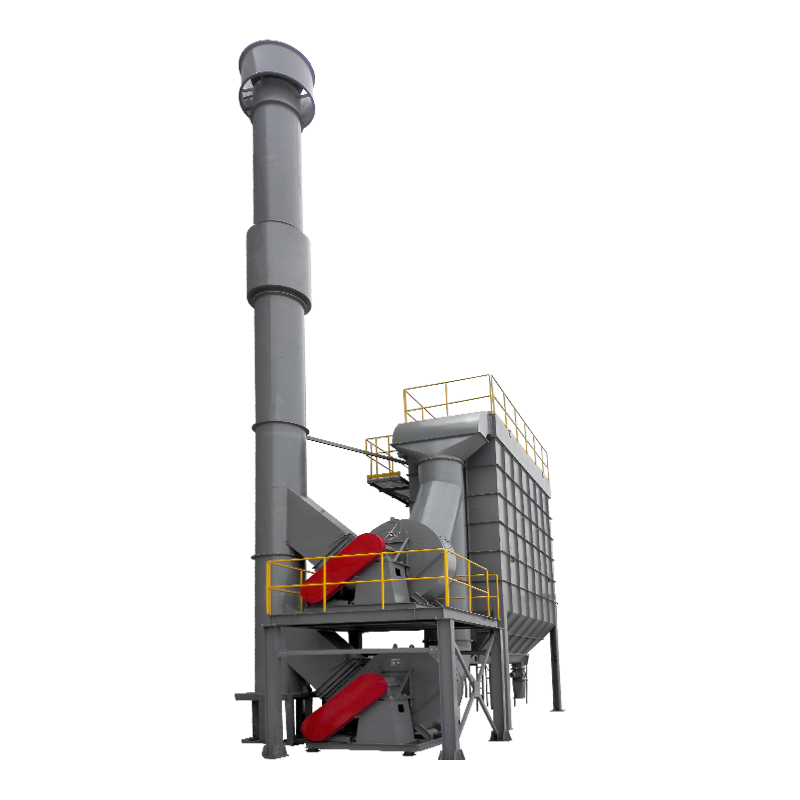
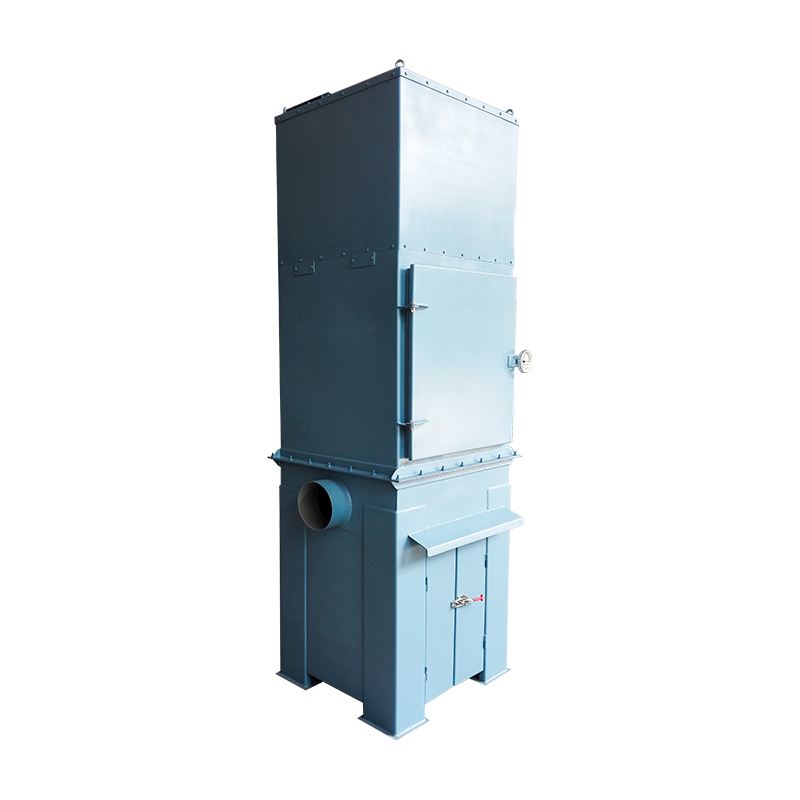
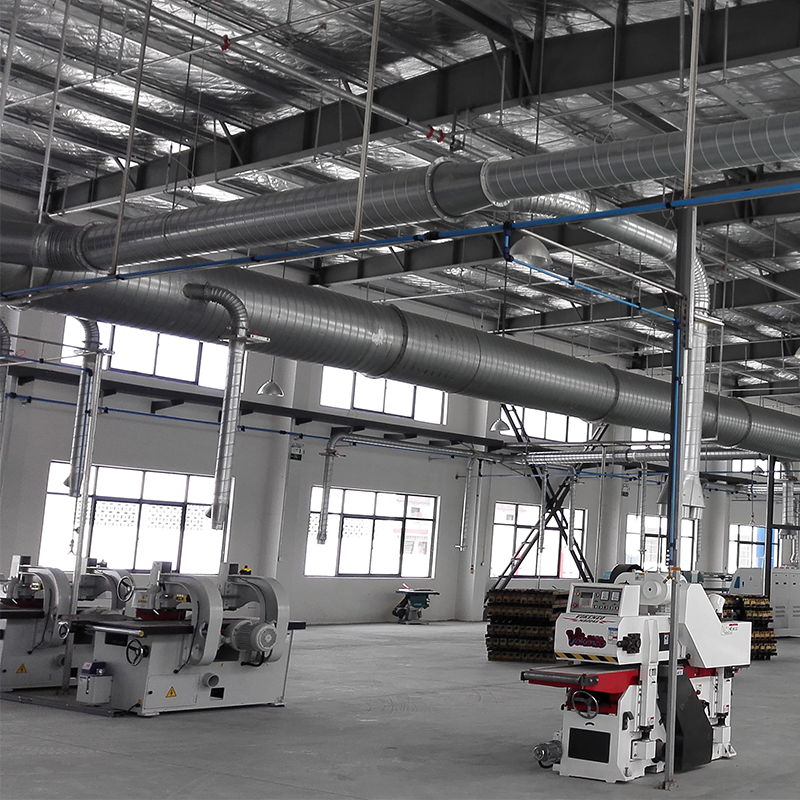
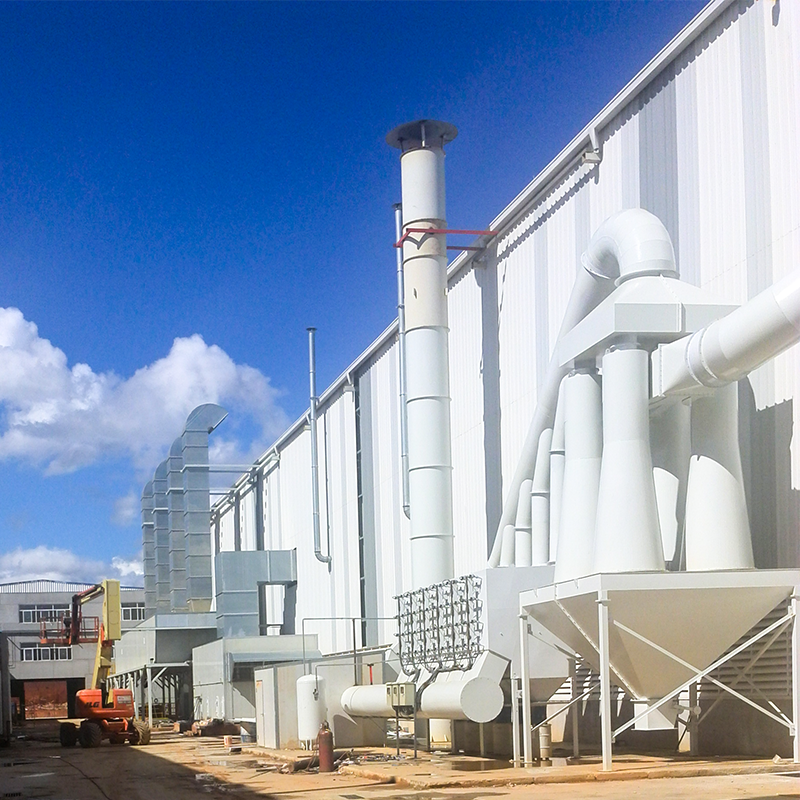
The design of a Pulse Jet Collection System Machine plays a critical role in the effectiveness of industrial dust removal systems. These machines are used across a variety of industries to maintain air quality and ensure that hazardous particles are effectively captured and removed from the air. In this article, we will explore how different design elements influence the dust removal efficiency of pulse jet collection systems, providing in-depth insights for engineers and procurement professionals.
How Does the Pulse Jet Collection System Machine Work for Industrial Air Filtration?
The Pulse Jet Collection System Machine works by utilizing a pulse of compressed air to clean the filter media, removing dust and particulates that have accumulated on the filter surface. This process is highly effective for industrial air filtration and dust collection. Below are the key components and their roles:
- Filter Bags: These are designed to trap dust particles while allowing air to pass through. The size, material, and shape of these bags can significantly impact the efficiency of the system.
- Pulse Valve: Controls the release of compressed air to clean the filter bags. The frequency and intensity of the pulse are key factors in determining how efficiently the dust is removed.
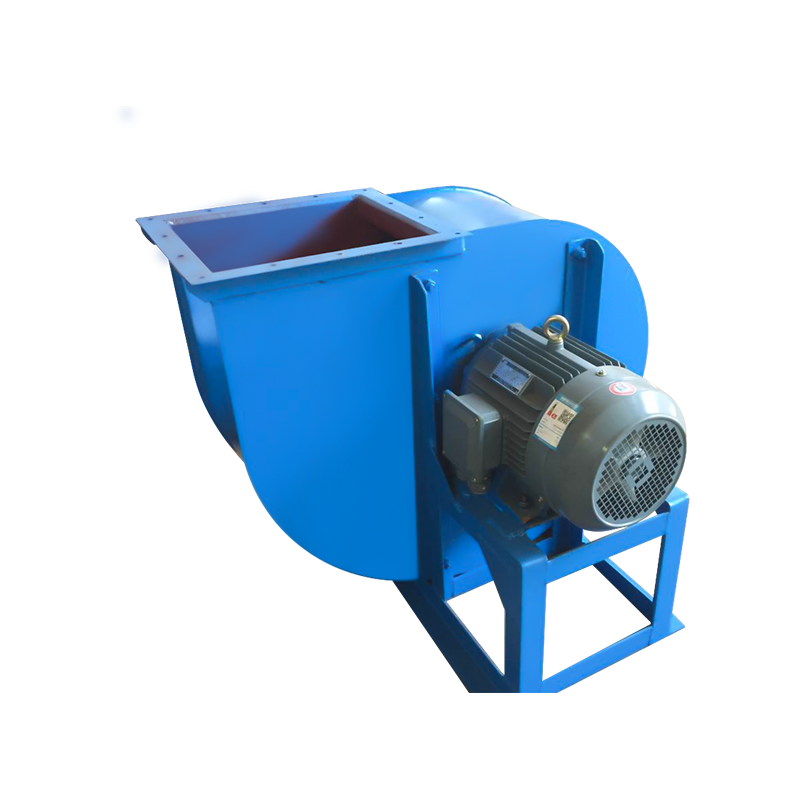
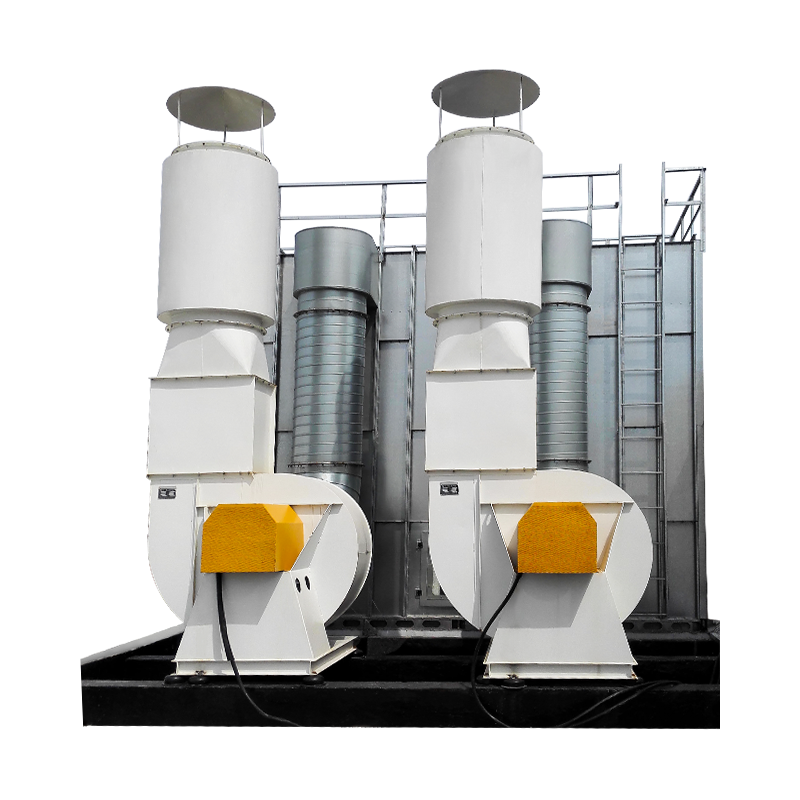
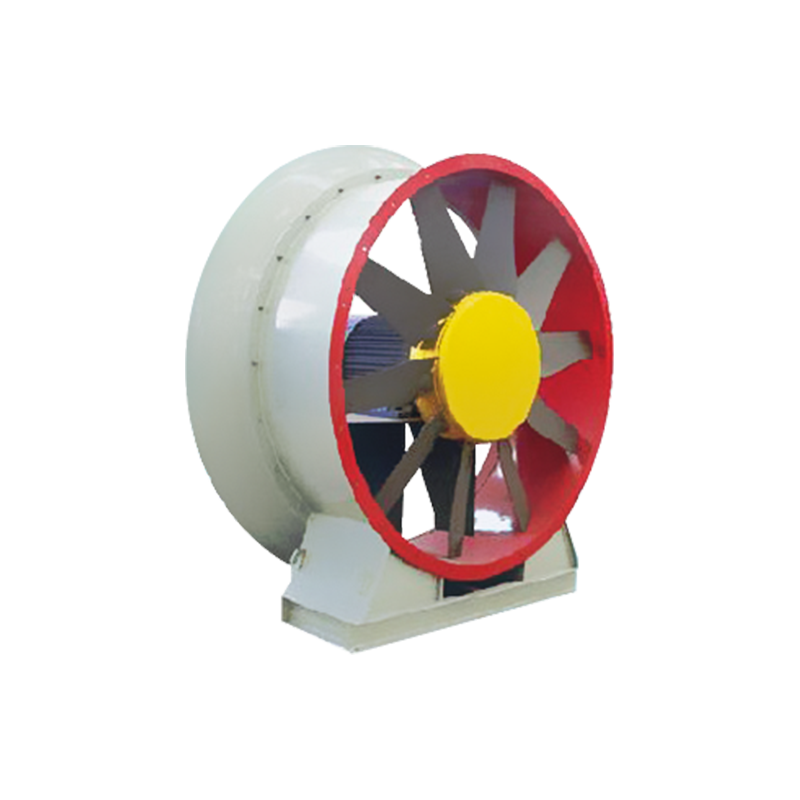
- Fan or Blower: Moves the air through the system, ensuring that the dust is directed toward the filter bags. The design and power of the fan can affect the system's overall efficiency.
The efficiency of these components, combined with the pulse jet cleaning process, determines the overall dust removal capacity of the system.
Design Factors That Affect Dust Removal Efficiency
The design of a Pulse Jet Collection System Machine is integral to its ability to efficiently remove dust and particulates. Key design factors include:
Filter Material and Design
The material of the filter media and the way it is designed (e.g., pleated vs. flat) can greatly affect the system's dust collection efficiency. The larger the surface area of the filter, the more dust it can trap before needing to be cleaned. This helps to extend the operational time between maintenance cycles.
Pulsed Airflow and Cleaning Mechanism
The frequency, intensity, and duration of the pulse jet can vary significantly between different systems. Systems with optimized pulse settings will clean the filter bags more effectively, ensuring consistent airflow and maximized dust removal.
Airflow Path Design
The internal airflow path must be designed to reduce turbulence and allow for optimal dust separation. A well-designed system will direct dust particles towards the filter, ensuring that they are captured effectively. Poor airflow design can result in reduced efficiency, as dust may bypass the filter or remain suspended in the air.
Filter Surface Area
Systems with a larger filter surface area generally perform better by allowing for more dust to be captured. However, larger filters can also increase system size and cost. Proper design balances surface area with overall system efficiency to provide an optimal solution for dust control in industrial settings.
Other Design Features That Impact Pulse Jet System Efficiency
Maintenance-Friendly Design
For a low maintenance Pulse Jet Collection System, ease of cleaning and minimal maintenance downtime are essential. Features like modular design, quick-access panels, and automated cleaning systems reduce the labor and time needed for upkeep.
Noise and Vibration Control
The design of the pulse jet system can also help control noise and vibration. A well-engineered system will include features like vibration-dampening materials and noise-reducing enclosures. This makes the system more comfortable to operate and less disruptive in a factory setting.
Compact Design for Small Factories
For small-scale operations, a compact Pulse Jet Collection System Machine is essential. Space-efficient designs ensure that industrial dust collection can be implemented without occupying valuable floor space, making the system more accessible and practical for smaller facilities.
Maintenance and Efficiency in Pulse Jet Collection Systems
Effective maintenance is key to ensuring that a pulse jet collection system continues to operate at peak efficiency. Design features that make maintenance easier can include:
- Easy Access Doors: For quick and efficient filter changes.
- Self-Cleaning Filters: Automated systems that reduce the need for manual intervention.
- Regular Monitoring Systems: Sensors and monitoring systems that allow for continuous assessment of performance.
By choosing a design that simplifies maintenance, systems can run longer with fewer interruptions, leading to lower operating costs and higher long-term efficiency.
Selecting the Best Pulse Jet Collection System Design
When choosing a pulse jet collection system for industrial applications, consider the following factors to ensure efficiency and cost-effectiveness:
- Cost vs. Efficiency: While larger and more complex systems may offer superior efficiency, they also come with higher costs. Consider a balance between system performance and budget constraints.
- Air Quality Improvement: Look for systems that are designed to maximize the capture of fine dust particles and improve overall air quality in the workspace.
- Space Efficiency: Ensure that the design fits well within the physical constraints of the factory or manufacturing space.
Conclusion
The design of a Pulse Jet Collection System Machine is crucial in determining how efficiently it removes dust and particulates. Key factors like filter material, pulse cleaning intensity, and airflow design all contribute to the overall system performance. By understanding these design elements and selecting the right system for your needs, you can ensure maximum efficiency and long-term reliability in dust control.
Frequently Asked Questions (FAQ)
1. How does the Pulse Jet Collection System Machine work?
The machine uses compressed air pulses to clean dust from filter bags, which trap dust particles from the air, ensuring cleaner air in industrial settings.
2. What are the key factors affecting the efficiency of a Pulse Jet Collection System?
The efficiency depends on filter material, pulse cleaning mechanism, airflow path design, and filter surface area.
3. What is the best Pulse Jet Collection System for Dust Control in Manufacturing?
The best system for dust control in manufacturing will have optimized filter design, pulse jet settings, and ease of maintenance to ensure high efficiency.
4. How can I reduce maintenance costs for a Pulse Jet Collection System?
Choose systems with self-cleaning filters, easy access panels, and automated monitoring to reduce manual maintenance costs.
5. What are the benefits of a low maintenance Pulse Jet Collection System?
A low maintenance system reduces downtime and operating costs, ensuring continuous operation and improved dust removal efficiency.