 English
 Español
 عربى
عربى
Home / News / Industry News / How to Improve Efficiency and Reduce Energy Consumption of Industrial Axial Fans?
In modern industrial settings, ventilation and airflow control are crucial factors in ensuring production safety and improving workplace comfort. Whether it's for cooling mechanical equipment or providing air circulation in industrial production processes, fans play an indispensable role. Industrial axial fans, in particular, are widely used across various industries due to their superior performance.
I. Structure and Working Principle of Industrial Axial Fans
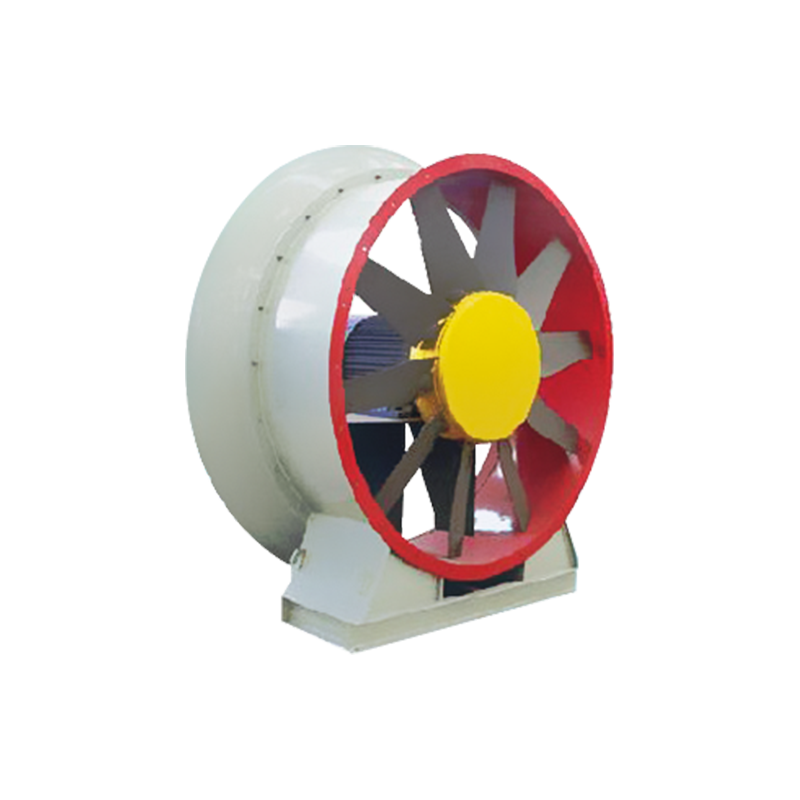
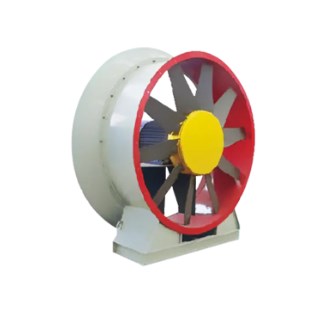
The structure of an industrial axial fan is relatively simple, but its working principle is highly efficient. Typically, an axial fan consists of a rotor, blades, stator, and housing. The rotor is the core component of the fan; it drives the blades to rotate, and the blades, in turn, change the airflow. The blades are usually curved, pushing the airflow towards the outlet as they rotate. During the operation of an industrial axial fan, the gas flows along the axis of the fan, and the rotation of the blades propels the airflow forward.
From a working principle perspective, the industrial axial fan drives air movement through the rotor, generating kinetic energy and pressure as the airflow passes through the fan blades. According to the fan's design, the airflow direction is parallel to the fan's axis, hence the name "axial flow." This design allows axial fans to provide a large volume of air at relatively low pressure, thus achieving high ventilation efficiency.
II. Application Fields of Industrial Axial Fans
Due to their high-efficiency airflow handling capabilities, industrial axial fans have a very wide range of applications. The most common applications include industrial plant ventilation, mechanical equipment cooling, air purification systems, and exhaust systems. In these areas, axial fans not only provide a stable airflow but also effectively improve airflow movement and efficiency.
In high-temperature and harsh environments, industrial axial fans are particularly suitable for providing powerful air circulation. In industries such as petrochemicals, metallurgy, and chemicals, industrial axial fans are commonly used for gas transportation, gas cooling, and exhaust. Because of their simple structure and ease of maintenance, they can maintain high working efficiency over long periods of operation, making them widely used in these industries.
Axial fans also play an important role in modern building ventilation systems. For example, in underground parking lots, tunnels, and underpasses, fans are responsible not only for air ventilation but also for smoke extraction in emergency situations such as fires. Industrial axial fans, with their high efficiency, stability, and low noise characteristics, have become the preferred equipment in these areas.
III. Key Factors in Choosing Industrial Axial Fans
When selecting industrial axial fans, several factors need to be considered based on different application requirements and working environments. These factors include the fan's airflow, pressure, noise level, service life, and energy efficiency.
Airflow and pressure are among the most important indicators when choosing a fan. Airflow determines the amount of air the equipment can deliver, while pressure affects the fan's ability to propel the airflow. The requirements for airflow and pressure vary depending on the application scenario, so it is necessary to accurately understand the specific requirements of the working environment when making a selection.
Noise control of the fan is also a crucial factor. Especially in places with strict noise requirements, choosing a low-noise fan is particularly important. Modern axial fans utilize optimized blade designs and more refined manufacturing processes, resulting in less noise during operation and improving the comfort of the working environment.
In addition, the energy efficiency of industrial axial fans is also an important selection criterion. With the promotion of energy conservation and emission reduction policies, more and more companies are choosing high-efficiency and energy-saving equipment. High-efficiency industrial axial fans can perform a larger amount of work with lower power consumption, helping companies reduce energy costs and alleviate environmental burden.
Finally, the maintenance and service life of the fan are also factors that must be considered during selection. High-quality axial fans typically use highly corrosion-resistant and high-temperature-resistant materials, resulting in a longer service life and lower maintenance costs. For equipment used for extended periods, choosing a more durable fan can reduce the hassle of frequent repairs and parts replacement.
IV. Advantages of Industrial Axial Fans
Compared with other types of fans, industrial axial fans have a series of unique advantages. The structural design of axial fans allows them to handle large airflows with minimal pressure loss. This enables them to maintain high operating efficiency while providing large air volumes.
Axial fans operate smoothly and with low noise, effectively reducing noise pollution in industrial environments. In many demanding applications, such as laboratories and electronics manufacturing workshops, noise control is a crucial factor when choosing fans, and the low-noise characteristics of axial fans make them an ideal choice.
Furthermore, axial fans are highly adaptable, suitable not only for high-temperature environments but also for various harsh weather conditions. Especially in some specialized industries, the high-temperature resistance and corrosion resistance of axial fans allow them to operate stably and perform optimally in extreme environments.
V. How to Improve the Working Efficiency of Industrial Axial Fans
There are two main approaches to improving the working efficiency of industrial axial fans: optimizing the fan design and regular equipment maintenance. Optimizing the fan design usually involves improving the blade shape, materials, and speed control to increase the efficiency of airflow propulsion. During use, regular inspection and maintenance of the fan, especially cleaning and regular lubrication of the blades, can effectively prevent equipment aging and wear, maintaining high fan efficiency.
Reasonable control of the fan's operating load, avoiding prolonged overload operation, also helps extend the equipment's service life and improve operating efficiency. By adopting advanced speed control technology, companies can flexibly adjust the fan speed according to actual needs, further improving energy efficiency and reducing energy consumption.
VI. Frequently Asked Questions (FAQ)
1. What is the typical lifespan of an industrial axial fan?
The lifespan of an industrial axial fan is usually between 5 and 10 years. The specific lifespan is affected by the operating environment, maintenance, and workload. Regular maintenance can effectively extend its service life.
2. How to choose the right industrial axial fan?
Choosing the right fan should be determined based on specific work requirements. For example, the required airflow, air pressure, noise control, and energy efficiency are all factors that must be considered when making a selection. It is recommended to consult a professional manufacturer based on the application scenario and usage requirements to obtain the best selection advice.
3. How do industrial axial fans reduce noise?
To reduce noise, modern industrial axial fans use optimized blade designs and incorporate vibration damping and sound insulation measures during operation. Choosing low-noise fan models can also effectively reduce noise pollution in industrial environments.
4. What should be paid attention to in the maintenance of industrial axial fans?
Maintenance work mainly includes regularly cleaning the fan blades, inspecting the motor and transmission system, lubricating the bearings, and checking the tightness of the fan casing. Regular inspections and timely troubleshooting can ensure the long-term stable operation of the fan.