 English
 Español
 عربى
عربى
The Critical Role of Filtration in Quarrying
In the high-intensity environment of a quarrying plant, the selection and maintenance of industrial dust collector filters is not merely a compliance detail but a critical operational necessity. The direct answer to achieving both regulatory compliance and machinery longevity lies in matching the specific dust characteristics—such as silica content, particle size, and abrasiveness—with the correct filter media technology. A well-chosen filter system protects worker health, prevents catastrophic equipment failure, and ensures that the plant operates without expensive downtime caused by clogged machinery or environmental fines. Ultimately, the efficiency of the entire crushing and screening circuit relies on the performance of these filtration components.
Understanding the Unique Challenges of Quarry Dust
Quarrying operations generate a complex profile of dust that differs significantly from other industrial processes. The dust produced during drilling, blasting, crushing, and screening is predominantly mineral-based, containing high levels of respirable crystalline silica. This dust is not only a severe health hazard but is also highly abrasive. Unlike organic dusts or fine powders found in food processing, quarry dust has sharp, jagged edges that can cut through inferior filter media.
Furthermore, the volume of dust generated is substantial. Without an effective industrial dust collector filter, visibility on the plant floor drops dramatically, creating safety hazards. The sheer volume requires filters that can handle a high dust loading capacity without rapidly blinding. The moisture content in quarries can also vary, leading to sticky dust that adheres to filter surfaces. Therefore, the filtration system must be robust enough to handle high bulk densities and abrasive particles while maintaining a consistent airflow.
Primary Types of Filters for Quarry Applications
The market offers various filtration technologies, but for quarrying plants, specific types stand out due to their durability and efficiency. The choice between bag filters and cartridge filters often depends on the specific stage of the mining process and the physical space available for the collector unit.
Baghouse Filters (Fabric Filters)
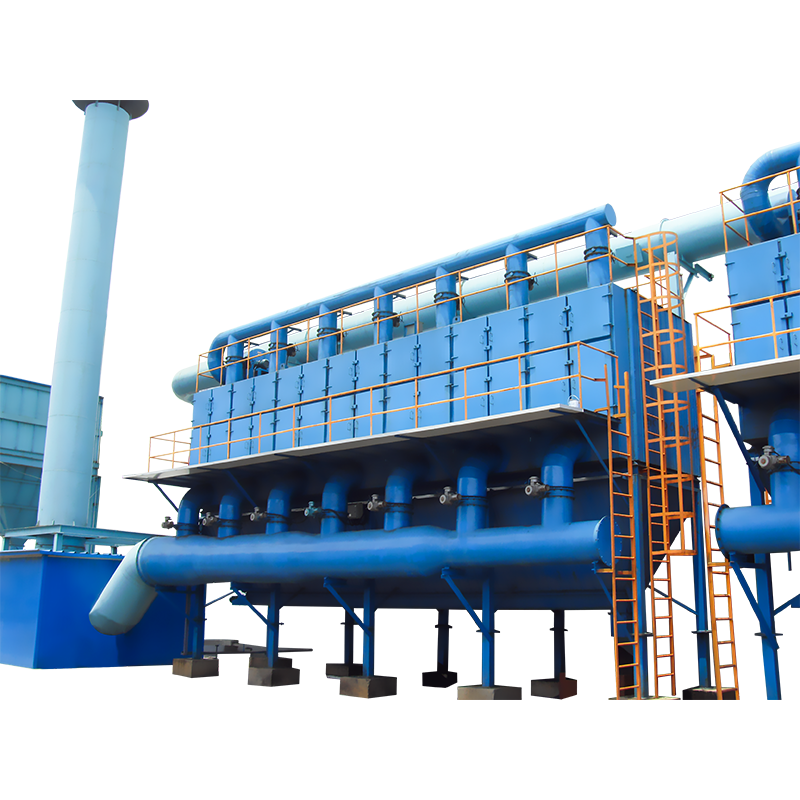
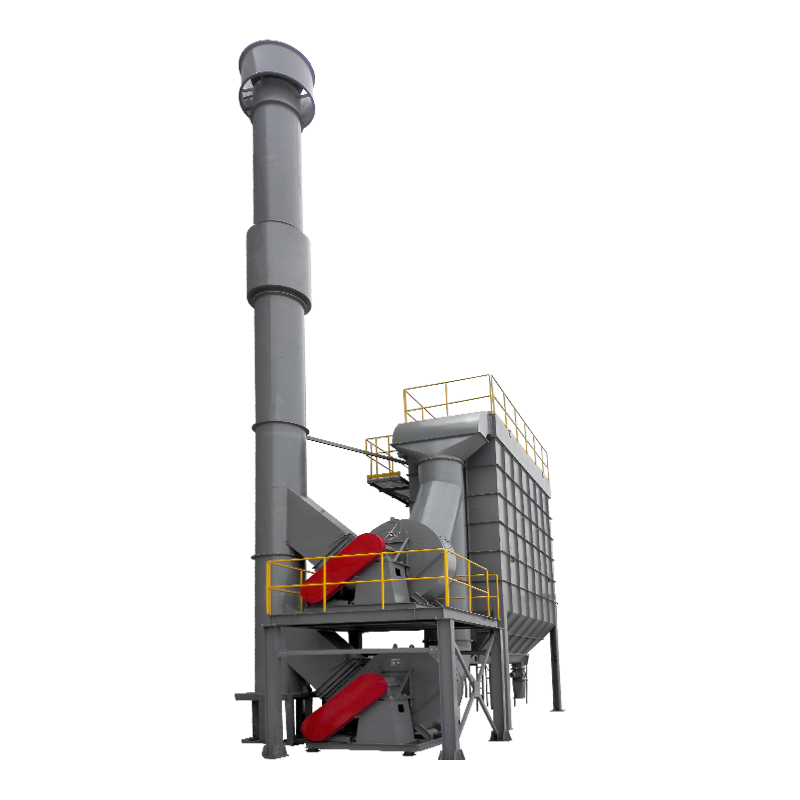
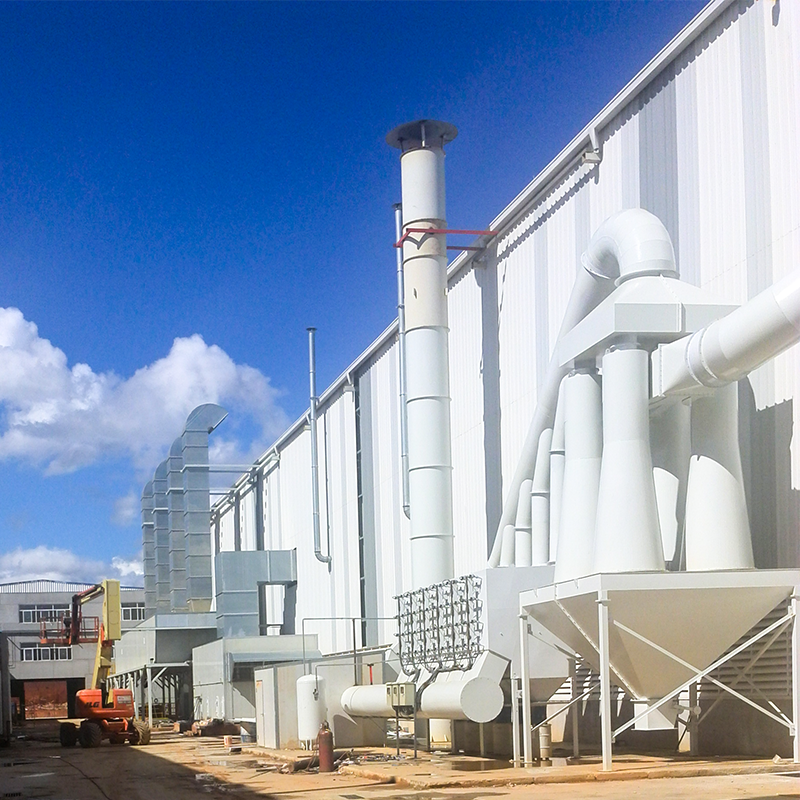
Baghouse systems are the industry standard for quarrying due to their ability to handle large air volumes and heavy dust loads. These systems utilize long, cylindrical filter bags made of woven or felted fabric. The dust collects on the surface of the bag, forming a filter cake that actually enhances filtration efficiency. For quarrying, needle felt polyester is a common choice, often treated with a singeing process to prevent fiber shedding. For high-temperature applications near kilns or dryers, fiberglass or high-temperature nomex materials are utilized.
Cartridge and Pleated Filters
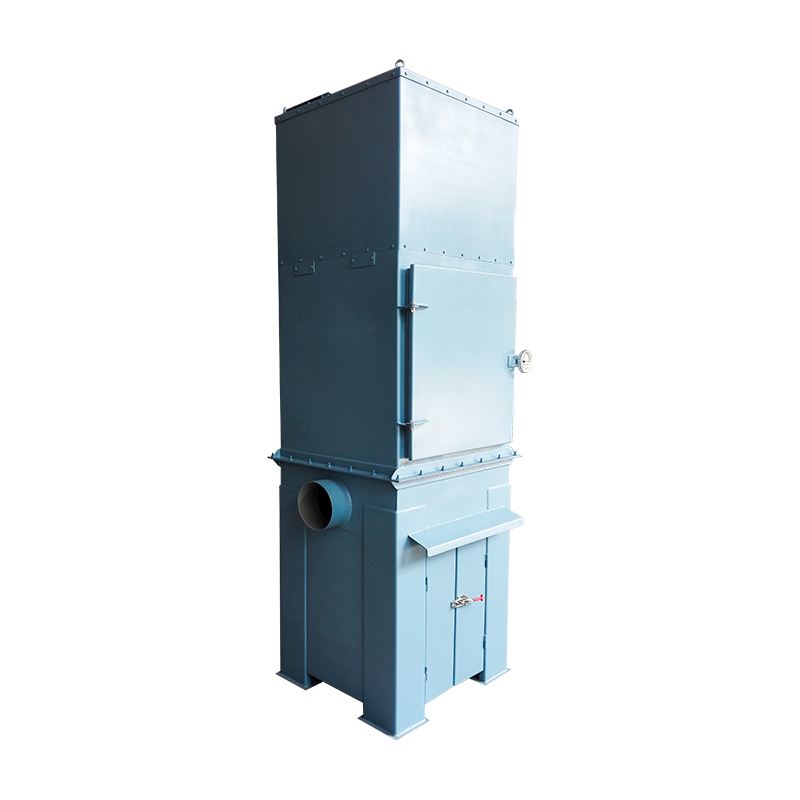
Cartridge filters offer a compact design by increasing the filter surface area through pleating. These are often used in pulse-jet cleaning systems where space is limited. However, in quarry applications with heavy, abrasive dust, deep pleated filters can sometimes trap dust in the valleys of the pleats, making cleaning difficult. Therefore, these are typically recommended for downstream processes where dust loading is lighter or for specific finishing applications.
Comparison of Filter Media Types
| Filter Media | Abrasion Resistance | Best Application |
|---|---|---|
| Polyester Felt | High | Crushing and Screening |
| PTFE Membrane | Very High | Silica Dust Control |
| Aramid (Nomex) | Medium-High | High-Temperature Zones |
| Anti-Static Media | Standard | High-Velocity Conveyors |
Key Factors for Selecting the Right Filter
Selecting an industrial dust collector filter requires a calculated approach. Ignoring specific operational variables can lead to premature filter failure, resulting in high replacement costs and potential compliance violations. The selection process must focus on efficiency, durability, and the specific chemical properties of the dust.
- Particle Size Distribution: Quarry dust contains a wide range of particle sizes, from large rock fragments to sub-micron silica dust. The filter must have a high efficiency rating (such as MERV 13 or higher) to capture the fine particulates that pose the greatest health risk. If the filter grade is too coarse, fine dust will pass through, rendering the system useless for health protection.
- Air-to-Cloth Ratio: This is a critical design parameter. It represents the amount of air flowing through a specific area of filter media. For heavy dust loading applications like quarrying, a lower air-to-cloth ratio is generally preferred. This ensures the filter is not overwhelmed by the volume of dust, allowing the cleaning system to function effectively.
- Moisture and Temperature: If the quarry has wet processing plants or the dust is generated from processes involving water injection (used for suppression), the filter media must be hydrolysis resistant. Standard polyester, for instance, can degrade in high-humidity, high-temperature environments. In such cases, treated media or specialized fibers like Polypropylene might be necessary.
Operational Benefits of High-Performance Filters
Investing in high-quality industrial dust collector filters yields tangible returns that go beyond simple compliance. While the initial cost of premium filtration media is higher, the long-term operational benefits significantly offset this investment.
Extended Equipment Lifespan
Dust is the enemy of mechanical machinery. Fine rock dust infiltrates bearings, seals, and motors, acting as an abrasive agent that accelerates wear. By capturing this dust at the source with an efficient filter, the overall maintenance burden on crushers, conveyors, and screens is reduced. Studies indicate that effective dust control can reduce bearing failures by a substantial margin, preventing unplanned stoppages that cost the operation thousands per hour in lost production.
Improved Worker Safety and Productivity
A clean work environment fosters higher productivity. Excessive dust reduces visibility, making it difficult for operators to monitor equipment and identify hazards. Furthermore, reducing exposure to silica dust is critical for preventing silicosis and other respiratory diseases. High-performance filters ensure that the exhaust air from the dust collector meets stringent occupational health standards, protecting the workforce and reducing liability for the plant operator.
Maintenance Strategies for Longevity
A filter is only as good as its maintenance schedule. Even the most robust industrial dust collector filter will fail prematurely if the cleaning mechanism is not calibrated correctly. Proper maintenance is a systematic process that involves inspection, cleaning, and timely replacement.
Monitoring Differential Pressure
The differential pressure (dP) across the filter is the most vital indicator of filter health. A sudden drop in dP may indicate a tear or hole in the filter media, allowing dust to bypass the system. Conversely, a steadily high dP reading suggests that the filters are blinded or plugged. Operators should monitor dP gauges daily. Establishing a baseline for normal operation allows for early detection of issues before they become critical.
Inspection and Leak Detection
Regular visual inspections are necessary to identify physical damage. This involves checking the tubesheet seals and looking for dust leaks around the filter housing. Using a powder leak detection method or a light source inside the clean air plenum can help identify pinhole leaks in the filters. Leaking filters must be replaced immediately to prevent abrasive dust from damaging the fan impeller.
- Quarterly Checks: Inspect filter tension and seals for wear.
- Cleaning Cycle Adjustment: Ensure the pulse-jet cleaning frequency is optimized; over-cleaning can damage the fabric.
- Hopper Clearance: Ensure the dust disposal system is functioning to prevent dust levels from rising to the filter level.
Regulatory Compliance and Environmental Impact
Quarrying plants operate under strict environmental regulations regarding particulate emissions. Failure to control dust emissions can result in heavy fines, operational suspensions, and reputational damage. Modern industrial dust collector filters are designed to meet these rigorous standards.
Advanced filtration media, such as ePTFE membrane laminates, provide surface filtration rather than depth filtration. This means the dust does not penetrate deep into the fabric, allowing for near-complete release during the cleaning cycle and maintaining high efficiency throughout the filter's life. By ensuring emissions are kept well below legal limits, quarrying plants demonstrate environmental stewardship and secure their license to operate. Sustainable quarrying practices are increasingly becoming a competitive advantage in the industry.