 English
 Español
 عربى
عربى
Home / News / Industry News / What are the main benefits of installing a professional dust collector system?
Introduction to Professional Dust Management
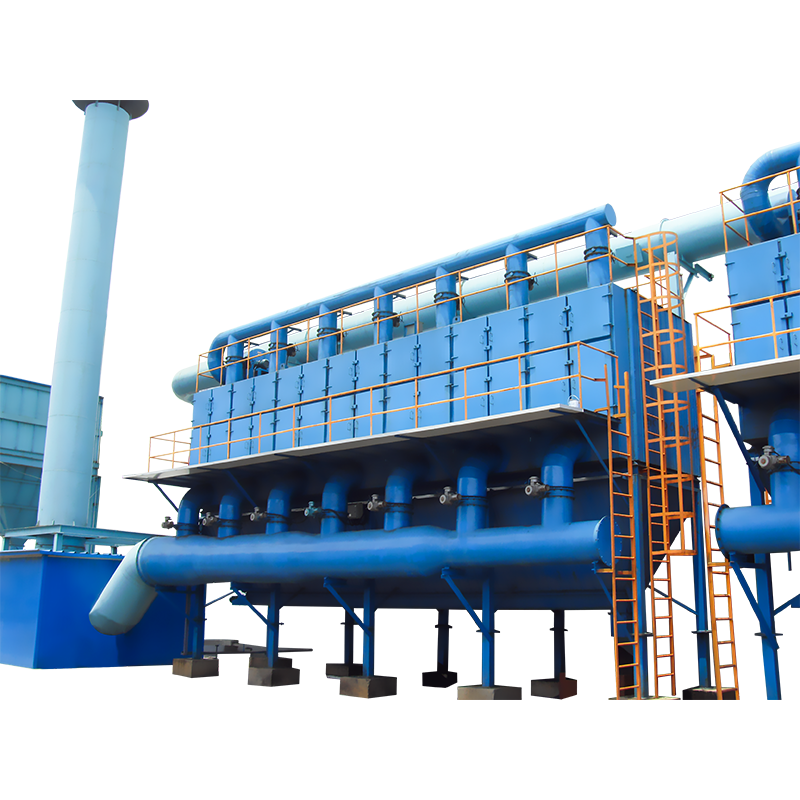
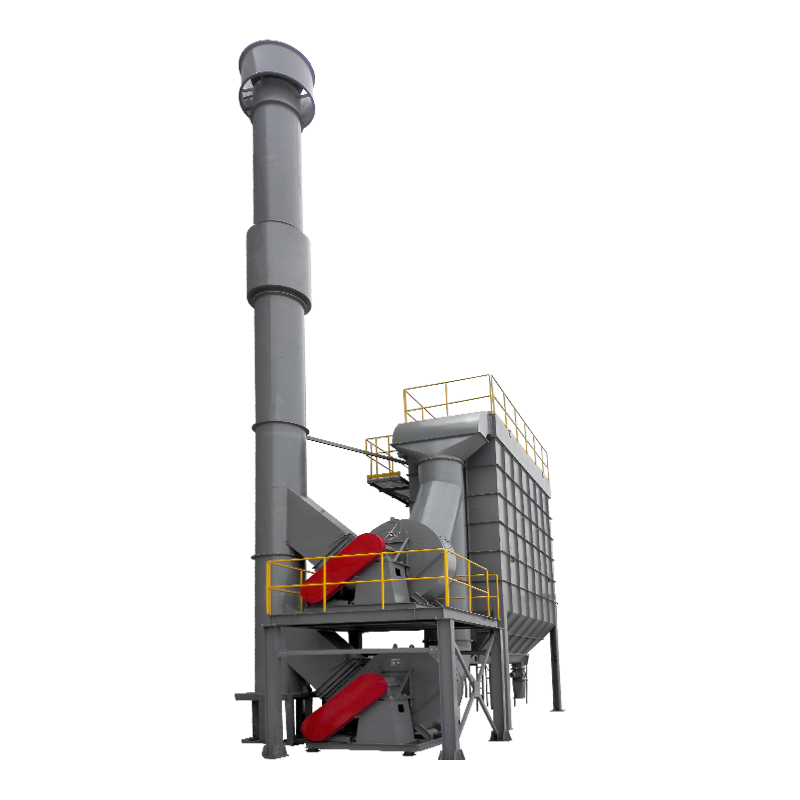
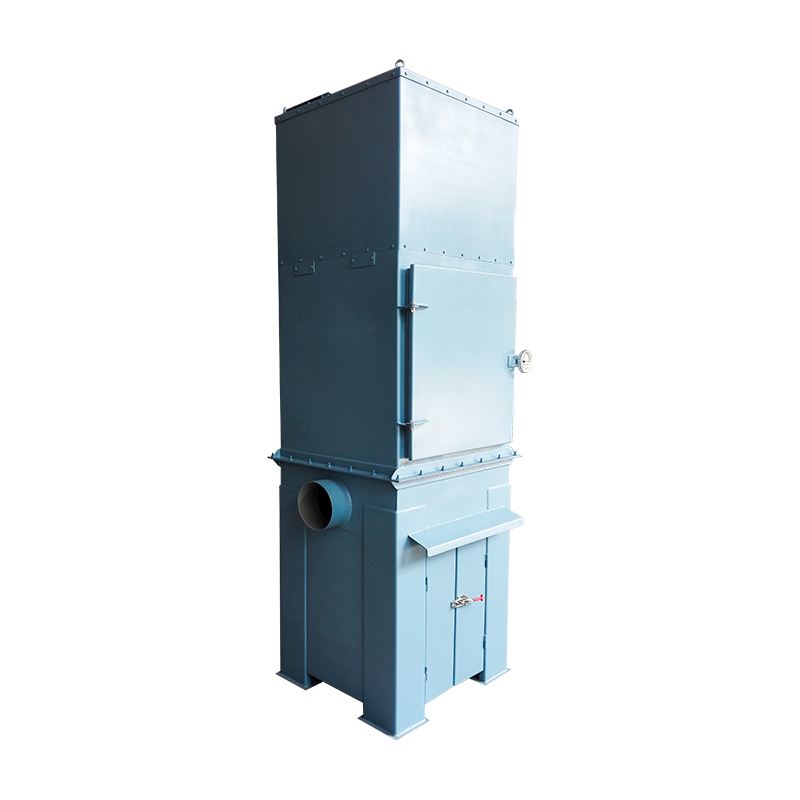
A professional dust collector system is an indispensable piece of equipment for any industrial or commercial facility that generates airborne particulates. By capturing dust at the source, it ensures a safe breathing environment, protects sensitive machinery from abrasive wear, and maintains compliance with strict environmental and occupational health regulations. Investing in a properly sized system significantly reduces long-term operational costs and prevents catastrophic events like combustible dust explosions.
Implementing a high-quality air filtration solution is not merely a regulatory hurdle; it is a core component of sustainable and responsible manufacturing. When fine particles are left unmanaged, they circulate through the facility, settling on production lines, entering ventilation systems, and ultimately being inhaled by personnel. A well-engineered dust collection setup addresses these issues comprehensively, creating a cleaner, more efficient, and highly productive workspace.
Understanding the Core Functionality of Dust Collection
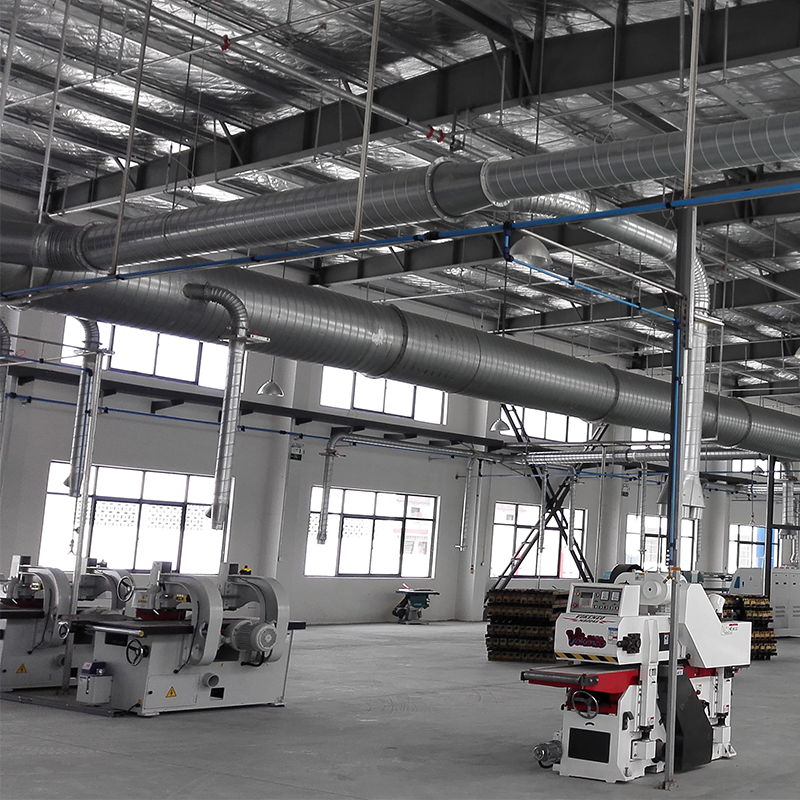
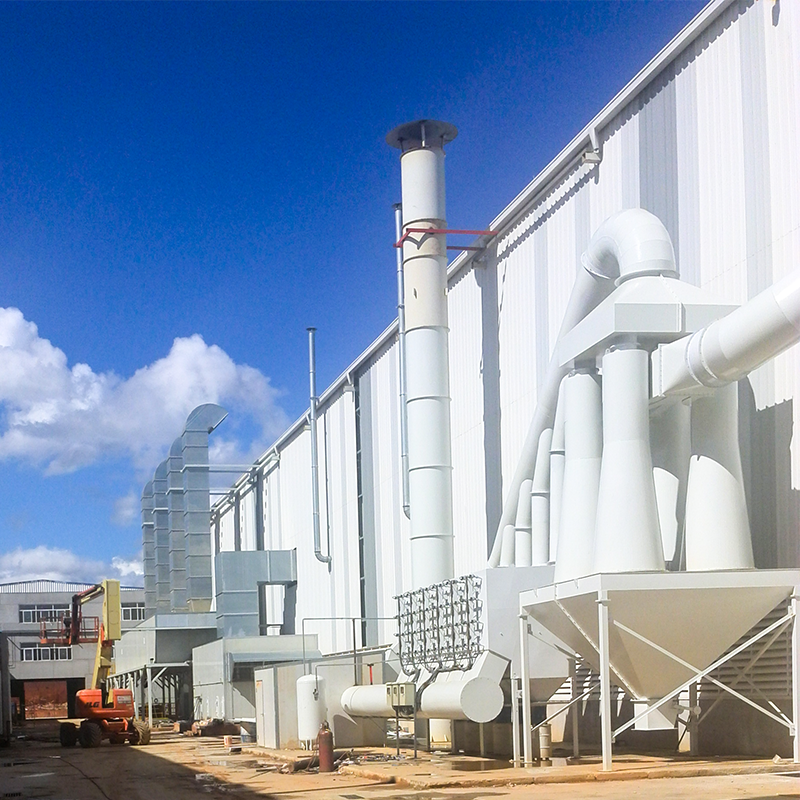
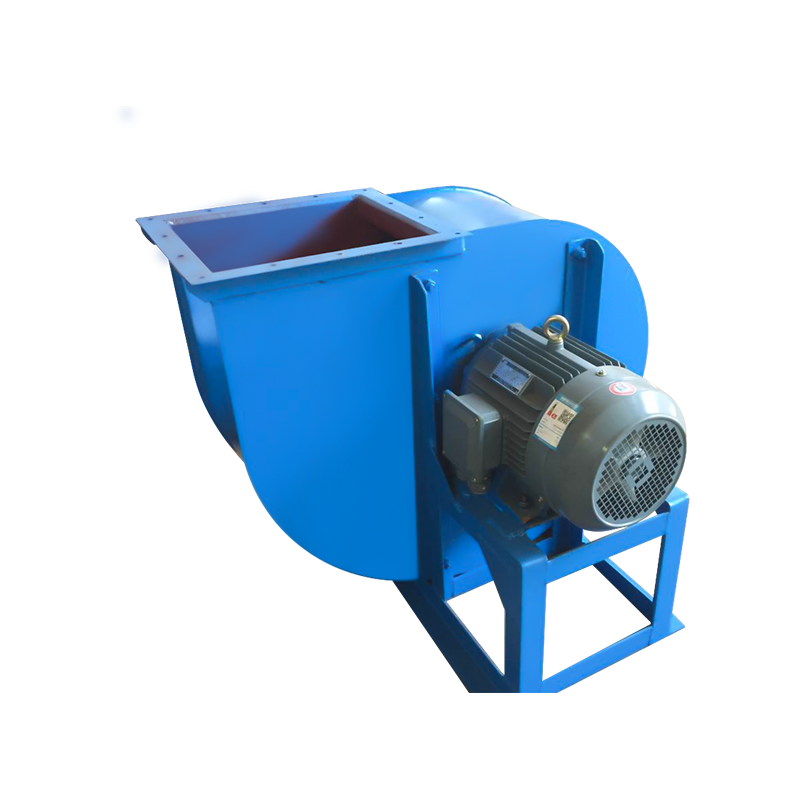
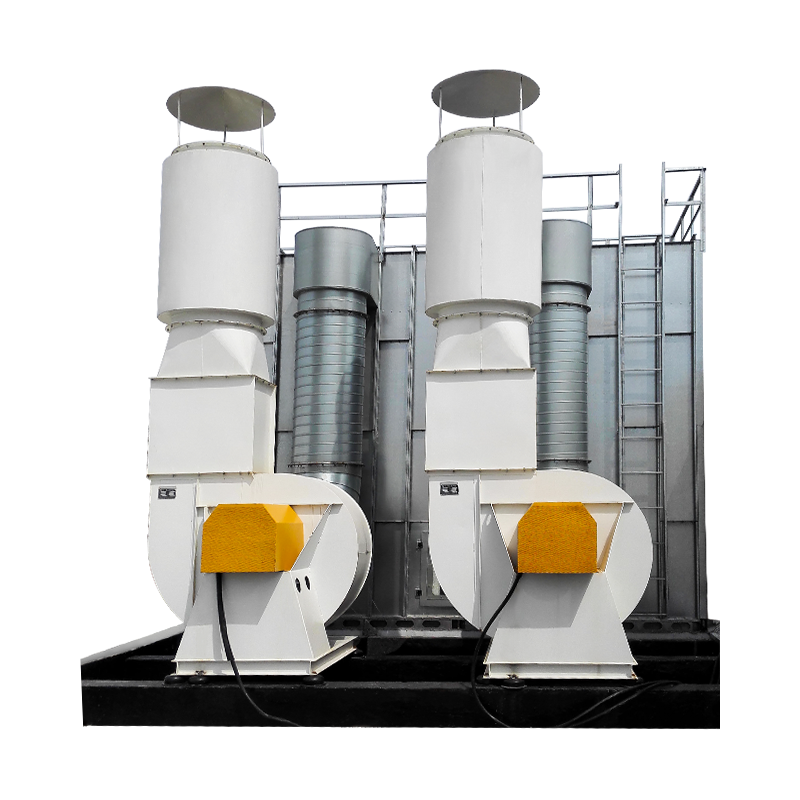
The fundamental purpose of a professional dust collector system is to separate particulate matter from the air stream. This process begins with the capture hood, which is strategically placed at the point of dust generation. The suction created by a powerful blower pulls the contaminated air through a network of ducts. The air is then forced through a filtration medium, where the dust is trapped, and clean air is either recirculated back into the facility or exhausted outside.
The Mechanics of Airborne Particulate Capture
Effective capture relies on understanding the physics of airflow. The system must maintain a high enough velocity within the ductwork to keep particles suspended. If the velocity drops below the minimum conveying speed, particles will settle inside the ducts, leading to blockages and reducing the overall efficiency of the system. Therefore, calculating the correct airflow capacity and static pressure is critical during the design phase.
Once the air reaches the filtration unit, the filter media plays a crucial role. Different materials and weaves are designed to capture specific types of dust. For instance, fine chemical dust requires a different filter rating than coarse sawdust. The accumulated dust is then periodically removed from the filters through a cleaning mechanism, falling into a collection bin for safe disposal.
Key Types of Professional Dust Collector Systems
Selecting the right type of system depends heavily on the nature of the dust, the volume of air to be processed, and the specific operational requirements of the facility. Below is a comparison of the most common industrial dust collection technologies available.
| System Type | Cleaning Mechanism | Ideal Application |
|---|---|---|
| Shaker Collector | Mechanical shaking | Intermittent operations, light dust load |
| Reverse Pulse Jet | Bursts of compressed air | Continuous heavy-duty operations, fine dust |
| Cartridge Collector | Pulse jet or rotational | Fine particulates, metalworking, pharmaceuticals |
Critical Features to Evaluate During Selection
When specifying a professional dust collector system, facility managers must look beyond basic suction power. A truly professional setup is defined by its reliability, efficiency, and adaptability to the specific environment. Overlooking critical features can lead to frequent breakdowns, excessive energy consumption, and inadequate air quality.
- Airflow Capacity (CFM): The system must generate sufficient cubic feet per minute to capture dust at the source and transport it without settling. Undersizing the CFM is the most common cause of system failure.
- Filtration Efficiency: Filters should be rated to capture the smallest particles present in the facility, often requiring MERV ratings of 14 or higher for fine industrial dust.
- Explosion Venting: If handling combustible dust, the system must include appropriately sized explosion relief vents and isolation valves to protect the facility and personnel.
- Variable Frequency Drives (VFD): Incorporating a VFD on the blower motor allows the system to adjust speed based on demand, resulting in significant energy savings over time.
Health, Safety, and Environmental Advantages
The primary driver for installing a professional dust collector system is the protection of human health. Prolonged exposure to industrial dust can lead to severe respiratory conditions, including asthma, chronic bronchitis, and occupational lung diseases. By removing hazardous particulates from the breathing zone, companies fulfill their duty of care to their workforce.
Furthermore, many industrial dusts are combustible. Materials such as wood, grain, sugar, and certain metals can ignite if suspended in the air at the right concentration. A professional system mitigates this explosive risk by keeping dust concentrations well below the lower explosive limit (LEL).
Environmentally, these systems prevent the release of harmful pollutants into the atmosphere. This not only helps facilities avoid hefty fines from environmental protection agencies but also contributes to a broader corporate sustainability strategy by reducing the overall ecological footprint of the manufacturing process.
Best Practices for Installation and Maintenance
Even the most advanced professional dust collector system will underperform if it is poorly installed or neglected. Proper installation requires careful calculation of duct sizing, minimizing sharp bends, and ensuring balanced airflow across all collection points. The ductwork should be sealed tightly to prevent leaks that reduce suction power at the hoods.
Routine Maintenance Protocols
Maintenance is the cornerstone of long-term system reliability. A proactive maintenance schedule should include the following tasks:
- Regularly inspecting and emptying collection bins before they reach capacity.
- Monitoring the pressure drop across the filters to determine when cleaning or replacement is necessary.
- Checking compressed air lines and valves for leaks in pulse-jet systems.
- Conducting annual inspections of the blower motor, bearings, and electrical components.
Implementing a digital monitoring system can further enhance maintenance efforts. By tracking real-time data on airflow and filter pressure, facility managers can predict failures before they occur and schedule maintenance during planned downtime, rather than reacting to emergency breakdowns.
Common Mistakes to Avoid When Sizing and Operating
Facilities often encounter issues with their dust management systems due to a few recurring mistakes. Understanding these pitfalls is essential for optimizing performance and ensuring worker safety. The design and operational phases are equally prone to errors that can compromise the entire setup.
One major mistake is relying on generic sizing charts rather than conducting a comprehensive engineering assessment. Every facility has unique dust characteristics, generating rates, and spatial constraints. Another frequent error is placing the collector too far from the dust source, which requires excessive static pressure and reduces capture efficiency. Additionally, operators sometimes ignore the dust characteristics, using standard filter media for highly abrasive or moist dust, which leads to rapid filter degradation. Finally, failing to account for future expansion can render a system obsolete shortly after installation, forcing expensive upgrades or retrofits. Proper planning and consultation with engineering experts are vital to circumvent these expensive missteps.
Another critical oversight involves the disposal of collected dust. If the dust is hygroscopic or prone to bridging, standard rotary valves may jam, causing the entire system to shut down. Selecting appropriate material handling equipment for the specific dust type is just as important as the filtration process itself.
The Economic Impact of Efficient Dust Management
While the initial investment in a professional dust collector system may seem substantial, the long-term economic benefits are undeniable. Clean air directly translates to lower absenteeism and reduced healthcare costs, as fewer employees suffer from dust-related illnesses. Furthermore, keeping abrasive dust away from machinery bearings and electrical components extends the lifespan of expensive manufacturing equipment, reducing repair and replacement budgets.
Energy efficiency is another major economic factor. Modern systems equipped with variable frequency drives and optimized ductwork consume significantly less power than outdated, constantly running fans. By recirculating cleaned, conditioned air back into the facility rather than exhausting it outside, companies can also achieve substantial savings on heating and cooling costs.
Ultimately, a professional dust collection strategy protects the bottom line by ensuring continuous compliance with regulations. The cost of preventing dust-related incidents is always a fraction of the cost associated with fines, facility damage, or catastrophic explosions. A well-maintained system is a financial asset that safeguards both human capital and physical infrastructure.
Frequently Asked Questions
Q1: How do I determine the correct size of a dust collector for my facility?
Correct sizing requires a detailed analysis of your operation. You need to calculate the total airflow (CFM) required at each capture point, considering the type and volume of dust generated, the distance from the hood to the collector, and the static pressure drop through the ductwork and filters. Consulting with an engineering specialist is strongly recommended for an accurate assessment.
Q2: What is the difference between a pulse-jet and a shaker dust collector?
A shaker collector uses mechanical agitation to dislodge dust from the filters, making it suitable for intermittent use. In contrast, a pulse-jet collector uses bursts of compressed air to clean filters on-demand, allowing it to operate continuously with heavy dust loads. Pulse-jet systems are generally more efficient for fine dust and high-volume applications.
Q3: How often should the filters in a dust collector be replaced?
Filter replacement frequency varies based on the dust type, system load, and operational hours. Typically, filters should be inspected monthly. Replacement is often required when the pressure drop across the filters exceeds the manufacturer's recommended maximum even after cleaning, or if physical damage is visible. Some facilities may replace filters annually, while others may extend this interval with proper maintenance.
Q4: Can a dust collector system help reduce energy costs in my plant?
Yes, significantly. Modern systems equipped with variable frequency drives (VFDs) adjust motor speed to match real-time demand, reducing energy consumption during low-production periods. Additionally, by recirculating cleaned air instead of exhausting it, you can reduce heating and cooling costs, especially in climate-controlled facilities.