 English
 Español
 عربى
عربى
Introduction to Centrifugal Fan Applications
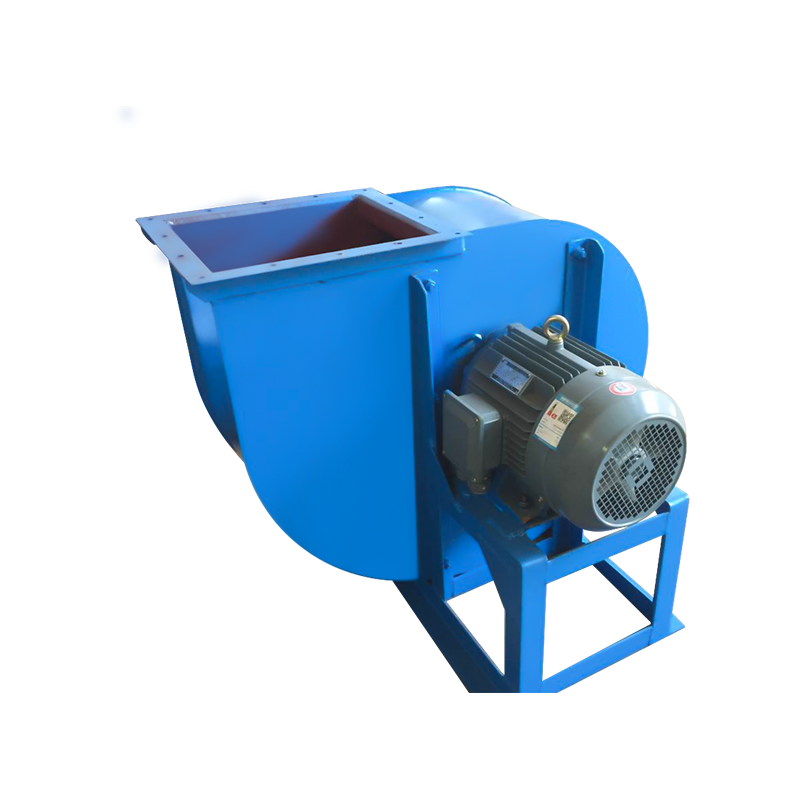
A Centrifugal Fan is a versatile machine that converts rotational kinetic energy into increased air pressure and directional flow. Unlike axial fans that move air parallel to the shaft, a centrifugal fan draws air into the center of an impeller and discharges it outward at a 90-degree angle using centrifugal force. This fundamental mechanism creates high static pressure, making these fans indispensable in systems where air must overcome significant resistance from ductwork, filters, or dense materials.
The application landscape for centrifugal fans is vast, spanning from residential HVAC units to heavy-duty mining operations. Their ability to handle varying air volumes, temperatures, and particulate loads makes them a cornerstone of modern industrial and commercial infrastructure. Selecting the right fan for a specific task depends heavily on understanding the three primary blade configurations: forward-curved, backward-curved, and radial, each offering distinct performance characteristics suited to particular environments.
HVAC and Building Ventilation
Air Handling Units and Climate Control
One of the most common applications of a centrifugal fan is within Heating, Ventilation, and Air Conditioning (HVAC) systems. In these environments, they are typically found in air handling units (AHUs) and rooftop units designed for clean air supply and extraction. The ability to generate high static pressure is crucial for pushing air through extensive networks of ductwork, coils, and filters.
- Forward-curved fans are prevalent in residential and light commercial HVAC because they can move large air volumes against relatively low pressure while maintaining a compact footprint and low noise levels.
- Backward-curved fans have become increasingly common in modern AHUs due to their superior energy efficiency, often exceeding 85%, which significantly reduces operational costs in large buildings.
Specialized Environments
Beyond standard comfort ventilation, centrifugal fans play a critical role in specialized building environments. They are essential for cleanrooms in pharmaceutical and electronics manufacturing, where precise airflow and pressure control are necessary to maintain sterile conditions. Similarly, laboratory exhaust systems rely on these fans to safely remove hazardous fumes and chemical vapors. In commercial kitchens, they are used in exhaust hoods to capture heat, smoke, and grease-laden air, often requiring radial blade designs to handle the contaminants effectively.
Industrial Process and Dust Collection
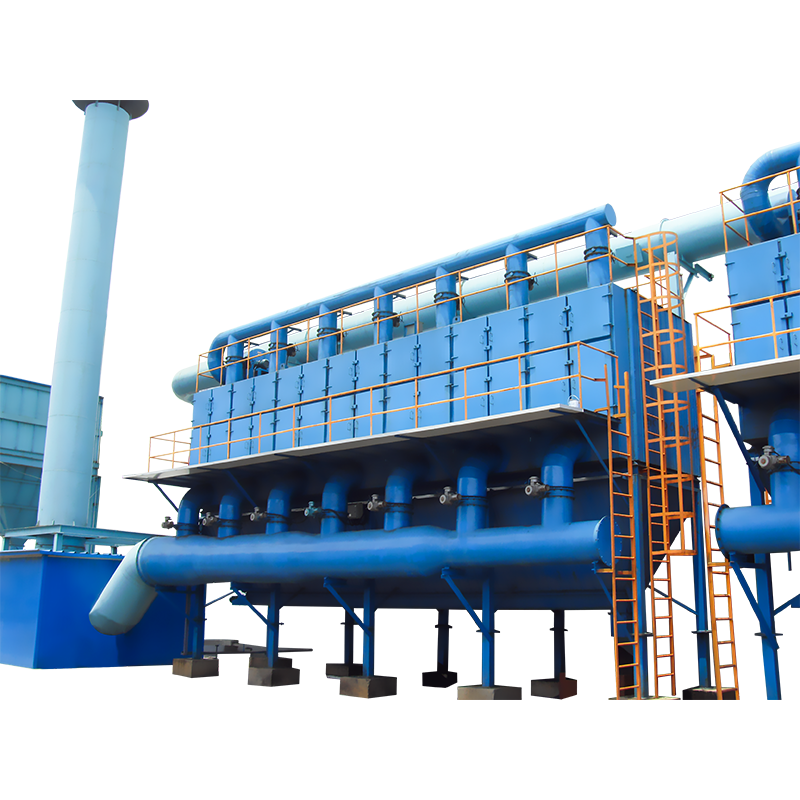
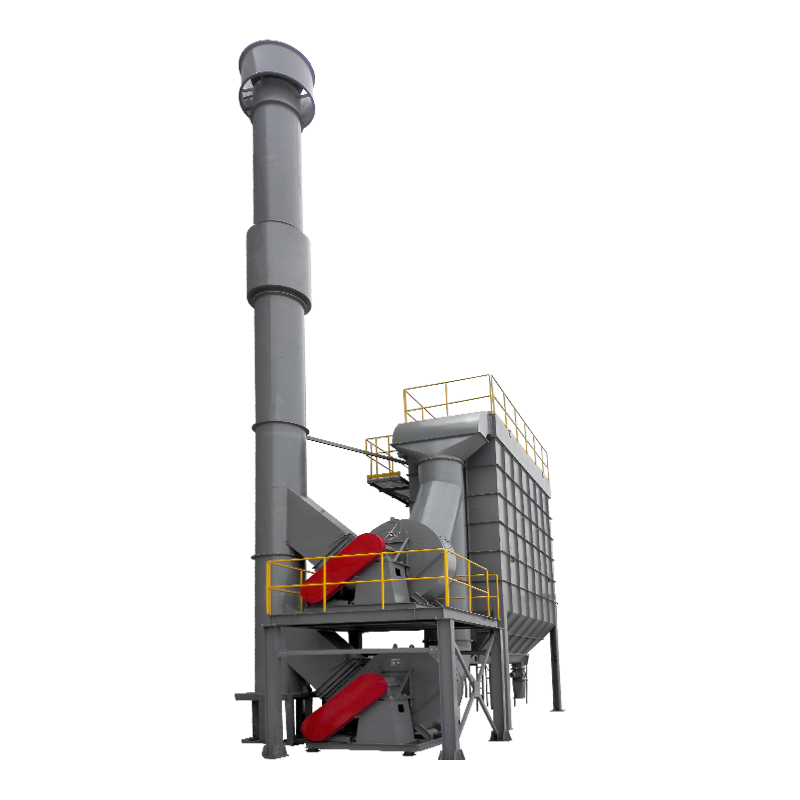
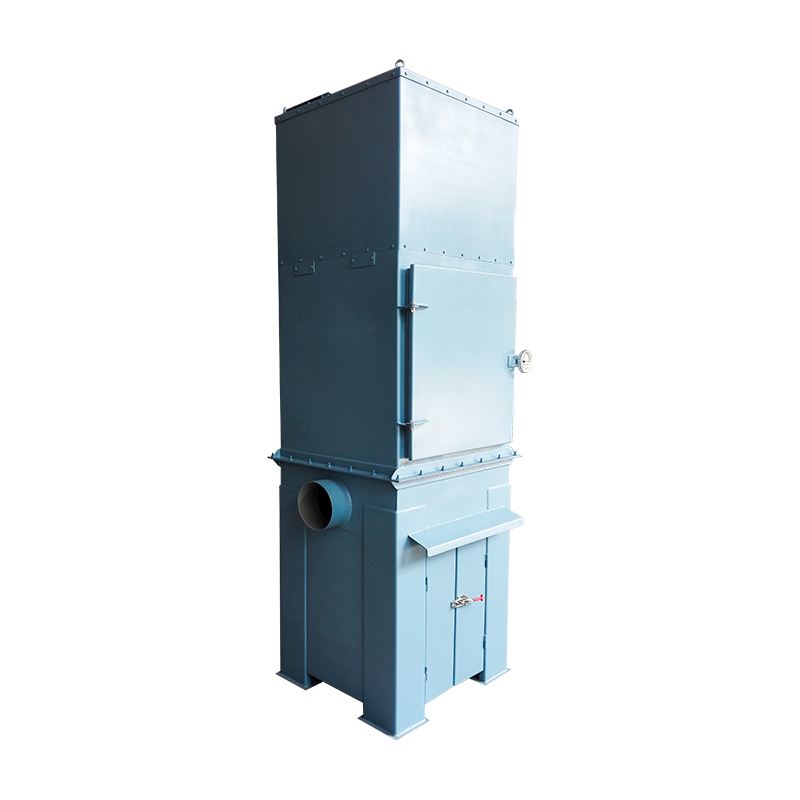
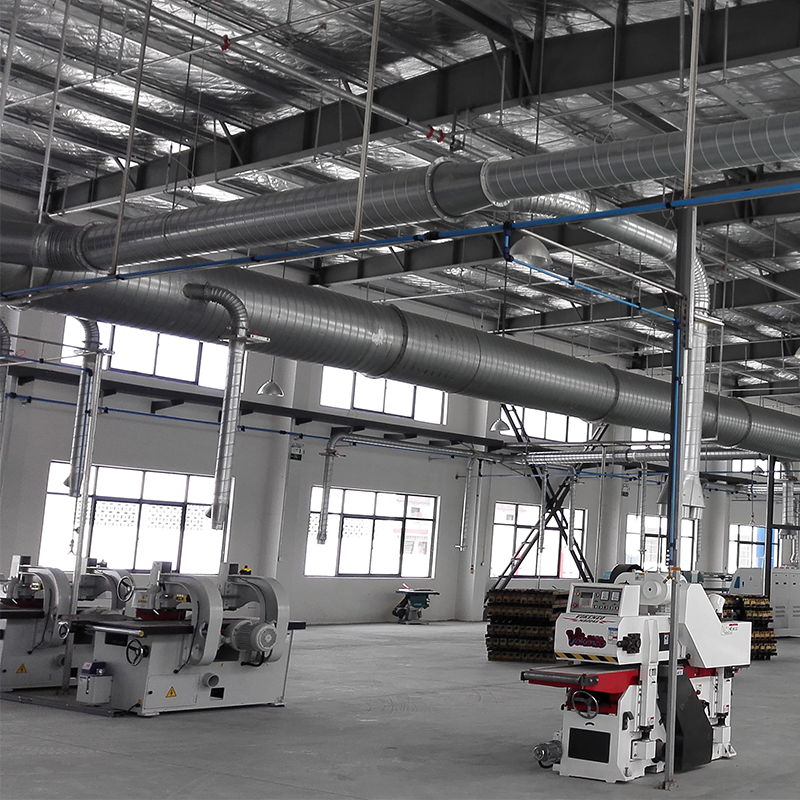
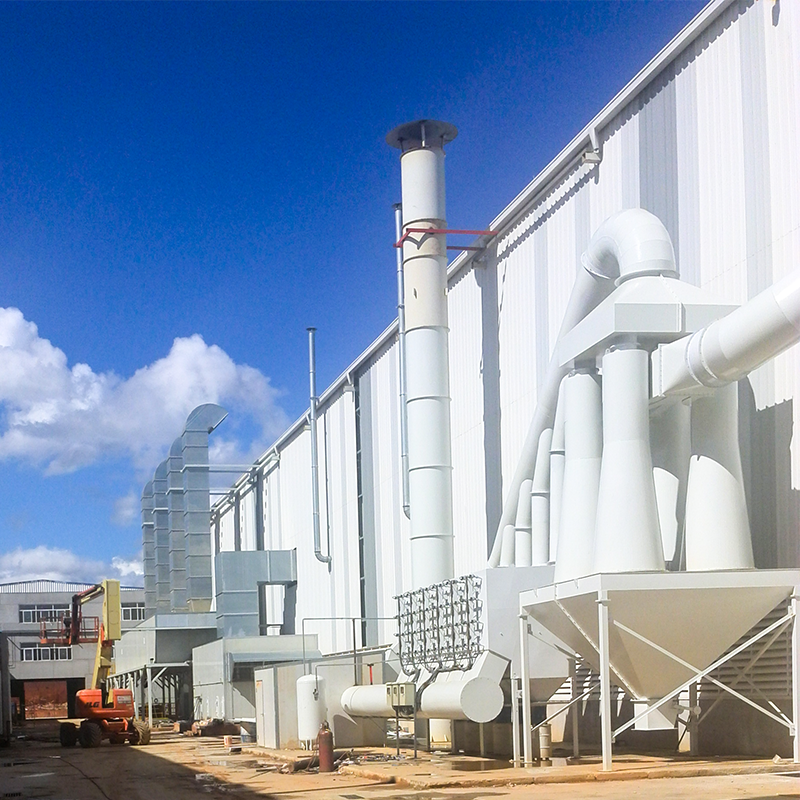
In heavy industry, centrifugal fans are often the workhorses of dust collection and material handling systems. When processes like grinding, cutting, or sanding generate large volumes of dust and debris, a robust fan system is required to capture and convey these particles to a collection point.
Key Application: Radial blade centrifugal fans are the preferred choice for dust extraction because their simple, rugged blade design allows for large running clearances. This geometry minimizes the risk of clogging and material build-up, making them suitable for handling wood chips, metal scraps, and abrasive particulates in high-temperature environments.
Pneumatic Conveying
Centrifugal fans are also integral to pneumatic conveying systems, which use air streams to transport dry bulk materials like grains, cement, or plastic pellets through pipelines. The high-pressure capability of a centrifugal fan provides the necessary energy to suspend and move these materials over long distances. In these scenarios, fan selection must consider not only the pressure and volume requirements but also the potential for erosion caused by abrasive materials.
High-Temperature and Harsh Environments
Certain industrial applications require fans to operate in extreme conditions, including high temperatures, corrosive atmospheres, or explosive gas environments. Centrifugal fans are uniquely suited to these challenges due to their robust construction and material flexibility.
- Forced Draft and Induced Draft: In power generation and industrial boilers, centrifugal fans are used for forced draft (pushing air into the combustion chamber) and induced draft (pulling flue gases out). These fans must withstand high temperatures and often incorporate specialized materials like stainless steel or alloys to resist corrosion.
- Chemical and Petrochemical: Facilities in the chemical sector use centrifugal fans for fume extraction and process air handling where gases may be toxic or explosive. The fans are often designed with explosion-proof motors and spark-resistant impellers made from non-ferrous materials.
Selection Guide by Application
Choosing the correct fan type is critical for optimal performance and longevity. The following table summarizes the typical applications based on the three main blade designs, providing a quick reference for engineers and specifiers.
| Fan Type | Primary Applications | Key Advantage | Typical Efficiency |
|---|---|---|---|
| Forward Curved | Residential HVAC, fan coils, air curtains, clean air supply | Compact size, low noise, high volume at low pressure | 55% – 65% |
| Backward Curved | Industrial ventilation, dust collection (clean), AHUs, forced draft | High efficiency (non-overloading), stable operation | Up to 90% |
| Radial | Dust extraction, material handling, high-temp exhaust, mining | Rugged, clog-resistant, handles particulates | Lowest of group |
Comparing Application Suitability
When evaluating a centrifugal fan for a project, the decision often comes down to a trade-off between efficiency, noise, and durability relative to the operating environment. The following SVG illustrates the general suitability of each fan type across typical application parameters.
The chart visualizes how radial fans become increasingly suitable as applications demand higher pressure and particulate handling, while forward-curved fans are optimized for low-pressure, clean-air environments. Backward-curved fans offer a middle ground with superior efficiency across a wide range of industrial settings.
Application-Specific Performance Characteristics
Understanding the performance curve of each fan type is essential for proper application engineering. The table below highlights critical performance trade-offs that directly impact system design and energy consumption.
| Performance Factor | Forward Curved | Backward Curved | Radial |
|---|---|---|---|
| Power Curve | Rising with airflow (motor overload risk) | Self-limiting (non-overloading) | Rising with airflow |
| Dust Tolerance | Poor (clogs easily) | Poor to Fair (erosion risk) | Excellent (large clearances) |
| Typical System Resistance | Low | Medium to High | Very High |
| Noise Level | Lowest (quiet operation) | Low to Moderate | Highest |
Frequently Asked Questions (FAQ)
Q1: What are the most common applications for a centrifugal fan?
The most common applications include HVAC systems for residential and commercial buildings, industrial ventilation for factories, dust collection systems in woodworking and metalworking, fume extraction in laboratories, and material handling in pneumatic conveying systems.
Q2: Why is a backward curved fan preferred for industrial ventilation?
Backward curved fans are preferred because they offer high energy efficiency (often exceeding 85%), have a non-overloading power curve that protects motors from burnout, and can operate effectively with changing static pressures. These characteristics make them ideal for dust collection systems and clean air handling in industrial settings.
Q3: How does a forward curved centrifugal fan differ in application from a radial fan?
Forward curved fans are best for low-pressure, high-volume applications like residential HVAC where quiet, compact operation is valued. Radial fans are built for severe duty, handling dirty, high-temperature, or abrasive air streams in mining and petrochemical applications, though they are less efficient.
Q4: Can centrifugal fans handle explosive gases or corrosive fumes?
Yes, centrifugal fans can be designed to handle explosive gases and corrosive fumes by using non-sparking impeller materials (e.g., aluminum) and corrosion-resistant coatings or alloys. They are commonly used in chemical processing, fume exhaust, and battery manufacturing facilities.
Q5: What type of centrifugal fan is used for dust extraction?
Radial blade centrifugal fans are typically used for dust extraction. Their simple, rugged blade design and large running clearances prevent clogging from wood chips, metal scraps, and other particulates, making them suitable for dirty airstreams.