 English
 Español
 عربى
عربى
Introduction to Bag Type Dust Collection Technology
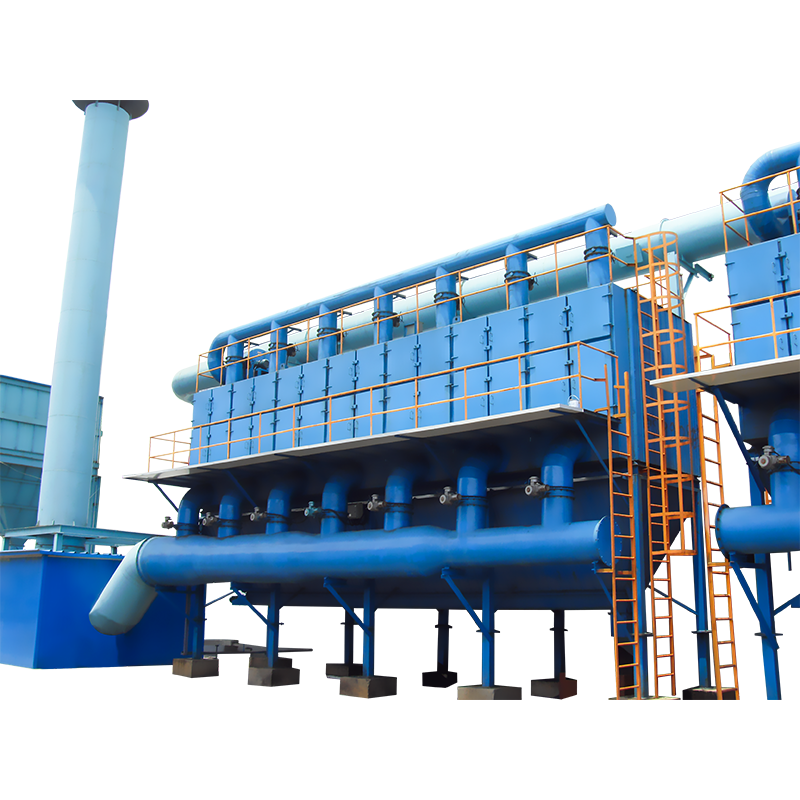
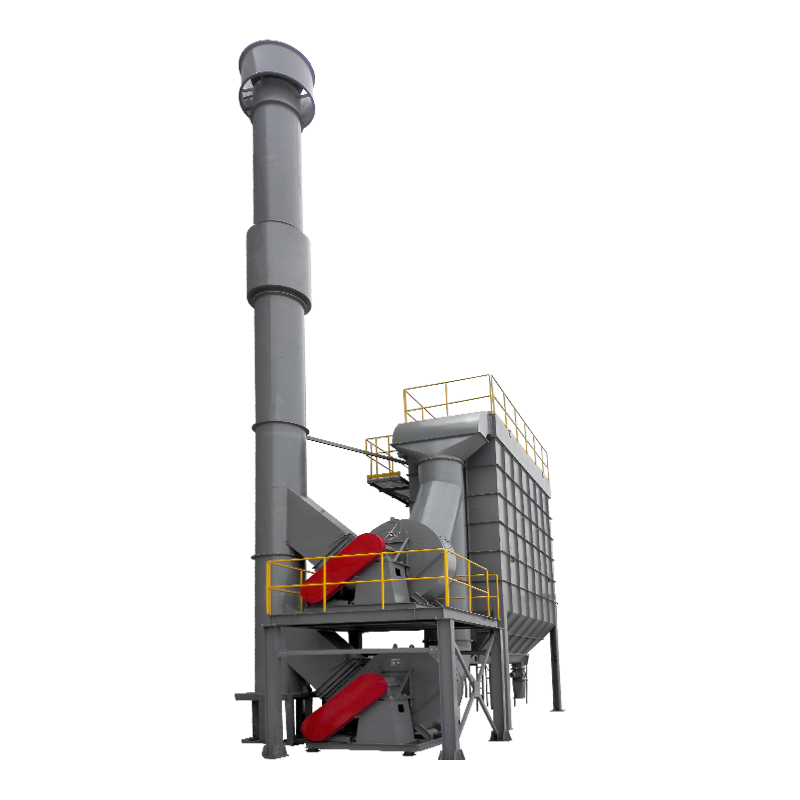
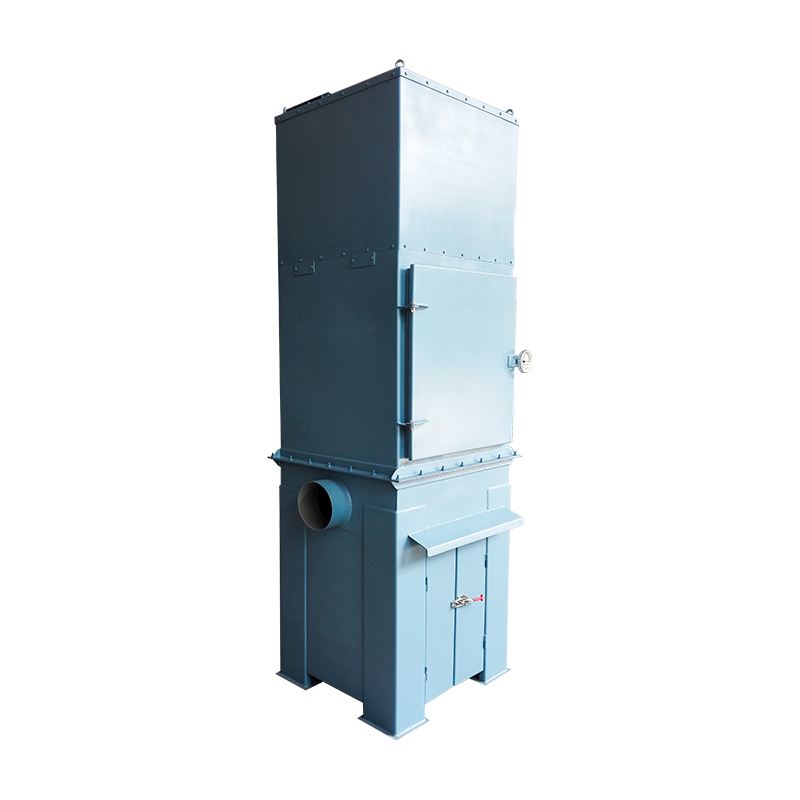
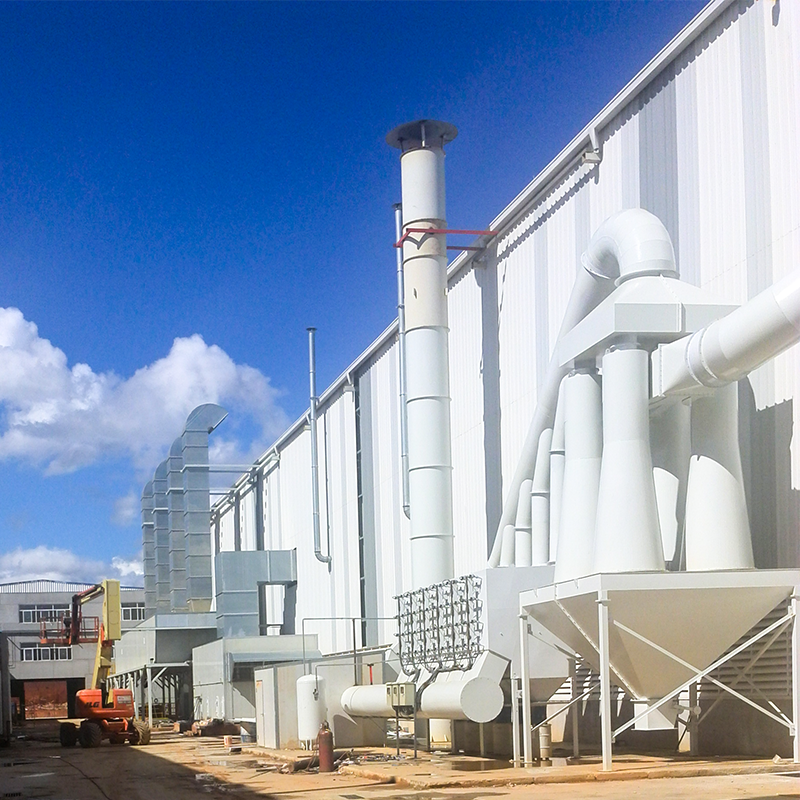
A bag type dust collector is an essential industrial air pollution control device designed to capture particulate matter from exhaust gases. By forcing dust-laden air through a porous fabric filter, the system separates solid particles from the gas stream. The accumulated dust forms a layer on the filter surface, which actually enhances the filtration efficiency by acting as a secondary filter medium. This mechanism ensures that the captured particles are effectively removed from the air, making it a critical component for maintaining environmental compliance and protecting worker health in manufacturing facilities.
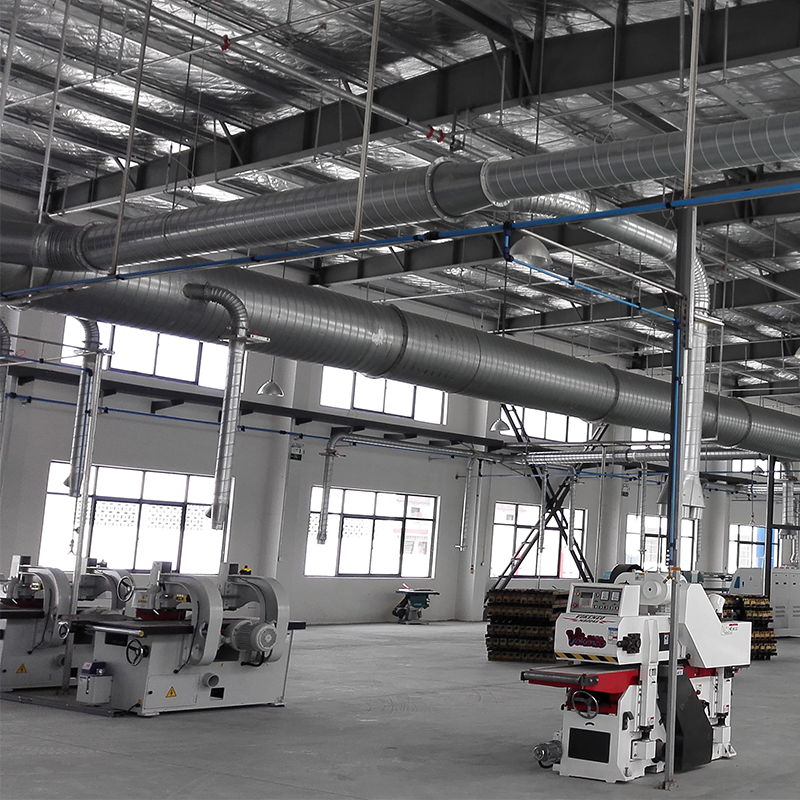
The fundamental purpose of this equipment is to improve indoor and outdoor air quality by preventing harmful dust emissions. Industries ranging from woodworking and metal fabrication to chemical processing rely heavily on these systems. By understanding the operational dynamics, core advantages, and maintenance requirements of these collectors, plant managers can significantly optimize their air handling processes.
Understanding the Working Principle
The operation of a bag type dust collector is based on a straightforward yet highly effective filtration process. When dusty air enters the collector, it is directed into a housing containing numerous tubular filter bags. The air is drawn through the fabric, while the dust particles are too large to pass through the weave and are trapped on the exterior surface of the bags.
Filtration Dynamics
Initially, the clean fabric acts as the primary barrier. As more dust accumulates, a porous dust layer forms. This dust layer is crucial because it can trap particles much smaller than the openings in the fabric itself. The pressure differential across the filter bags increases as the dust layer thickens, signaling the need for a cleaning cycle. The cleaned air then passes through the interior of the bags and is discharged into the atmosphere or returned to the workspace.
The Cleaning Cycle
To maintain airflow and prevent the system from clogging, the accumulated dust must be periodically removed. This is achieved through various cleaning mechanisms, such as pulses of compressed air or mechanical shaking. The dislodged dust falls into a hopper at the bottom of the collector for subsequent disposal or recycling.
Key Advantages for Industrial Applications
Implementing a bag type dust collector offers numerous benefits that extend beyond simple regulatory compliance. These systems are favored for their reliability and adaptability across diverse industrial environments.
- High Collection Efficiency: These systems can reliably capture extremely fine particles, often achieving efficiency rates well above 99 percent for sub-micron dust.
- Versatility in Dust Types: They can handle a wide variety of dusts, including abrasive, heavy, and light materials, without significant degradation in performance.
- Adaptability to Extreme Conditions: With appropriate filter media selections, they can operate in high-temperature environments and handle gases with high moisture content.
- Scalability: The modular nature of the filter bags allows the system to be scaled up easily to accommodate varying air volumes and facility sizes.
Essential Components and Their Functions
A standard bag type dust collector consists of several integrated components, each playing a vital role in the overall filtration and collection process. Understanding these parts is essential for troubleshooting and system optimization.
- Filter Bags: The heart of the system, typically made from woven or felted fabrics like polyester, polypropylene, or specialized high-temperature fibers. They provide the surface area for filtration.
- Cage Internals: Metal wire structures inserted into the bags to prevent them from collapsing under negative pressure during operation and cleaning.
- Housing or Casing: The robust steel enclosure that contains the filter bags and directs the airflow. It must be sealed properly to prevent leaks.
- Cleaning Mechanism: Includes components like solenoid valves, blow pipes, and diaphragm valves that deliver short bursts of compressed air to clean the bags.
- Hopper and Discharge System: Located at the bottom, the hopper collects the falling dust. A rotary valve or screw conveyor is used to continuously discharge the material for disposal.
Common Types of Bag Type Dust Collectors
Different industrial processes require different cleaning methodologies. The primary distinction between collectors lies in how they remove the accumulated dust from the filter bags. The table below outlines the three most common variations.
| Type of Collector | Cleaning Method | Best Application |
|---|---|---|
| Pulse Jet | Short bursts of compressed air | Continuous operation, high dust loads |
| Reverse Air | Low-pressure reverse airflow | Large gas volumes, fragile filter media |
| Mechanical Shaker | Motorized shaking mechanism | Intermittent processes, low air volume |
Maintenance Best Practices for Optimal Performance
Proactive maintenance is the key to ensuring the longevity and efficiency of a bag type dust collector. Neglecting routine upkeep can lead to decreased airflow, higher energy consumption, and premature failure of the filter bags. Implementing a structured maintenance schedule will mitigate these risks.
Routine Inspections
Operators should visually inspect the system regularly. This includes checking for air leaks in the housing, ensuring the hopper discharge mechanisms are functioning smoothly, and listening for unusual noises from the cleaning system. Early detection of wear and tear prevents minor issues from escalating into costly breakdowns.
Monitoring Pressure Differential
The pressure drop across the filter bags is a critical indicator of system health. A sudden drop may indicate a broken bag or a leak, while a steadily increasing pressure drop suggests that the cleaning system is not effectively removing the dust layer. Calibrating and monitoring pressure gauges allows operators to tune the cleaning cycle for maximum efficiency.
Filter Bag Replacement
Despite proper maintenance, filter bags have a finite lifespan. Signs that replacement is necessary include visible dust emissions from the exhaust stack, inability to maintain proper airflow, and visible damage or blinding of the fabric. When replacing bags, it is crucial to inspect the cages for corrosion or distortion that could damage the new bags.
Factors to Consider When Selecting a System
Choosing the right bag type dust collector requires a thorough analysis of the specific industrial process. A system that works perfectly for one application may fail rapidly in another if the operational variables are not properly matched.
- Dust Characteristics: Consider the size, shape, abrasiveness, and moisture content of the dust. Sticky or hygroscopic dusts may require special fabric treatments or heated systems to prevent blinding.
- Air Volume and Velocity: The system must be sized to handle the maximum air volume generated by the process. If the velocity is too high, dust may be forced through the fabric; if too low, dust may drop out of the airstream prematurely.
- Temperature and Humidity: The operating temperature dictates the type of filter media required. Standard polyester handles moderate temperatures, while specialized fibers like PTFE or fiberglass are necessary for extreme heat. Humidity must also be managed to prevent condensation that can turn dust into mud.
- Space Limitations: Facilities with limited floor space may require a vertical design or a specialized configuration that maximizes filtration area within a compact footprint.