 English
 Español
 عربى
عربى
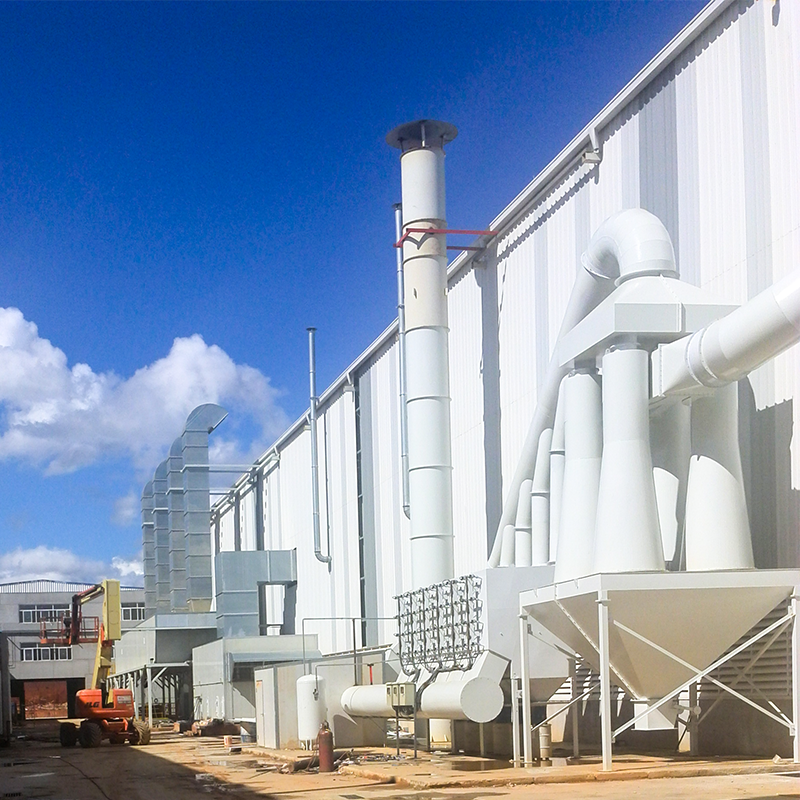
Bag filter dust collectors represent the most effective and cost-efficient solution for controlling industrial particulate emissions. These systems consistently achieve filtration efficiencies exceeding 99 percent, capturing particles as small as 0.3 microns in diameter. Unlike alternative technologies, bag filters handle extremely high dust concentrations while maintaining stable performance over extended operational periods. Their modular design allows customization for virtually any industrial application, from cement production to pharmaceutical manufacturing.
Core Conclusion: For industries seeking reliable, efficient, and environmentally compliant dust control, bag filter dust collectors deliver unmatched performance. They combine high capture efficiency with reasonable operating costs, making them the preferred choice for facilities that must meet stringent environmental regulations while protecting worker health and preventing equipment damage.
Understanding the Working Principle of Bag Filter Systems
The operation of a bag filter dust collector relies on a elegantly simple yet highly effective mechanism. Contaminated air enters the unit through an inlet duct, where it encounters a series of fabric filter bags arranged in parallel rows. As the dusty gas passes through the porous filter media, solid particles become trapped on the bag surface while clean air continues through to the outlet.
Over time, accumulated dust forms a layer on the filter surface, which paradoxically improves filtration efficiency by creating an additional barrier. However, this dust cake also increases resistance to airflow. When pressure drop reaches a predetermined threshold, the cleaning cycle activates to remove accumulated material and restore optimal operating conditions.
Step 1: Intake
Dust-laden air enters through the collection hood and travels via ductwork to the filter unit
Step 2: Filtration
Air passes through fabric bags, with particles trapped on filter surfaces
Step 3: Cleaning
Pulse-jet or mechanical shaking removes dust cake from filter bags
Step 4: Collection
Dislodged particles fall into hopper for disposal or recycling
Three Primary Cleaning Methods
Different cleaning mechanisms suit different operational requirements and dust characteristics:
- Pulse-Jet Cleaning: High-pressure air pulses reverse airflow through bags, dislodging dust without interrupting operation. This continuous-cleaning method dominates modern industrial applications.
- Mechanical Shaking: An oscillating mechanism physically agitates filter bags, causing accumulated dust to release. Common in smaller units with lower dust loads.
- Reverse Airflow: Clean air flows backward through sections of the collector, gently removing dust deposits. Suitable for delicate filter media and certain adhesive dust types.
Critical Components That Determine System Performance
A bag filter dust collector comprises several interconnected components, each playing a vital role in overall system effectiveness. Understanding these elements helps facility managers make informed decisions about system selection and maintenance.
| Component | Function | Performance Impact |
| Filter Bags | Primary filtration media capturing particulate matter | Determines efficiency rating and operating temperature range |
| Housing/Casing | Contains filter elements and maintains pressure differential | Affects system durability and leak prevention |
| Cleaning System | Removes accumulated dust from filter surfaces | Controls pressure drop and operational continuity |
| Hopper Assembly | Collects and stores dislodged particulate material | Influences dust handling and disposal efficiency |
| Discharge System | Transfers collected dust to storage or processing | Prevents re-entrainment and maintains collection capacity |
Table: Core components and their influence on dust collector performance
Filter Media Selection: The Heart of System Efficiency
Filter bag material selection profoundly impacts both performance and operational costs. The appropriate media must withstand operating temperatures, resist chemical attack from process gases, and provide adequate filtration efficiency for the target particle size distribution.
Polyester Media
Temperature Range: Up to 135 degrees Celsius continuous operation
Best For: Woodworking, food processing, general manufacturing applications with moderate temperature and moisture conditions
Polypropylene Media
Temperature Range: Up to 90 degrees Celsius with excellent chemical resistance
Best For: Chemical processing, acid-laden gas streams, humid environments requiring moisture resistance
Nomex/Aramid Media
Temperature Range: Up to 200 degrees Celsius continuous service
Best For: Asphalt plants, metal processing, high-temperature industrial processes
PTFE Membrane
Temperature Range: Up to 260 degrees Celsius with superior chemical inertness
Best For: High-efficiency applications, corrosive gas streams, pharmaceutical and specialty chemical production
Major Industrial Applications and Their Specific Requirements
Different industries present unique challenges for dust collection systems, requiring careful consideration of particle characteristics, loading rates, and regulatory requirements. Below, we examine how various sectors utilize bag filter technology to address their specific air quality challenges.
Cement and Building Materials Production
Cement manufacturing generates enormous quantities of fine particulate matter throughout the production process. From raw material crushing and grinding to kiln operations and final product packaging, dust generation occurs at multiple points. Modern cement plants typically employ multiple bag filter units strategically positioned throughout the production line, with systems handling dust concentrations exceeding 100 grams per cubic meter of process gas.
The abrasive nature of cement dust necessitates specialized filter media treatments and robust bag construction. Pre-coating procedures and careful startup protocols help protect filter elements during initial operation. Systems serving cement kilns must also withstand high inlet temperatures while maintaining collection efficiency for sub-micron particles.
Metal Processing and Steel Manufacturing
Steel mills and metal fabrication facilities face the dual challenge of high-temperature exhaust streams and heavy dust loading. Electric arc furnace operations produce particularly challenging conditions, with process gas temperatures often exceeding 1000 degrees Celsius before cooling systems bring temperatures within filter media operating ranges.
Key operational considerations for metal industry applications include spark arrestment to prevent filter fires, surge capacity for batch process variations, and corrosion resistance against acidic components in furnace exhaust. Many facilities employ supplementary cooling equipment and spark detection systems upstream of the filter unit.
Woodworking and Furniture Manufacturing
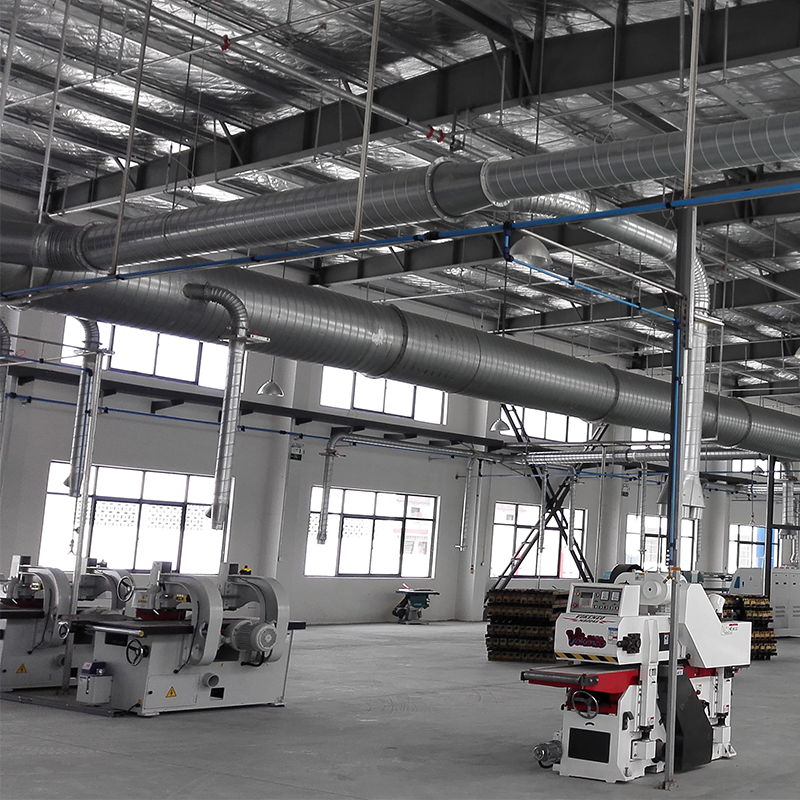
Wood processing generates both coarse sawdust and fine sanding residues, requiring systems capable of handling varied particle size distributions. The combustible nature of wood dust adds an additional safety dimension, with explosion venting and suppression systems often integrated into dust collector designs.
Modern woodworking facilities increasingly specify fire-retardant filter media and incorporate automatic fire suppression capabilities. The relatively low operating temperatures in most woodworking applications allow use of economical polyester or cellulose-based filter media, helping control both initial and operating costs.
Pharmaceutical and Chemical Processing
Pharmaceutical production demands exceptionally high filtration efficiency to prevent cross-contamination and protect product quality. Active pharmaceutical ingredient manufacturing often involves potent compounds requiring containment at extremely low exposure limits. Specialized filter designs incorporate continuous bag monitoring, HEPA-grade final filtration, and validated cleaning procedures.
Chemical processing applications frequently involve corrosive gases, requiring careful material selection for all wetted components. Fluoropolymer-based filter media and corrosion-resistant housing materials help ensure system longevity in aggressive chemical environments.
Environmental and Regulatory Compliance Benefits
Environmental protection regulations worldwide increasingly restrict permissible particulate emissions from industrial sources. Bag filter dust collectors play a central role in helping facilities meet these stringent requirements while avoiding costly penalties and operational restrictions.
Quantifiable Environmental Benefits
- Emission Reduction: Well-designed systems achieve outlet concentrations below 20 milligrams per cubic meter, with advanced configurations reaching single-digit values
- Energy Recovery: Collected particulate matter often contains recoverable product or fuel value, improving overall process economics
- Health Protection: Effective dust control significantly reduces worker exposure to respirable particulate matter
- Community Relations: Visible emission elimination improves facility acceptance in surrounding communities
Beyond compliance, many facilities find that effective dust collection supports sustainability initiatives and corporate environmental responsibility commitments. Recovered process dust can often be recycled back into production, reducing raw material consumption and waste generation. Some industries generate salable byproducts from collected particulate, creating additional revenue streams while addressing disposal challenges.
The concept of planetary boundaries has gained prominence in environmental discourse, emphasizing that human activities must remain within Earth's ecological thresholds. Industrial air pollution control through advanced filtration technology directly supports this framework by reducing atmospheric particulate loading that contributes to climate forcing and health impacts.
Key Factors for Optimal System Selection
Selecting the appropriate bag filter dust collector requires systematic evaluation of multiple process parameters. A thorough understanding of dust characteristics, gas stream properties, and operational requirements ensures optimal system performance and minimizes costly modifications after installation.
Essential Parameters for System Sizing
| Parameter | Why It Matters | Typical Range |
| Air Volume | Determines overall system size and bag quantity | Hundreds to hundreds of thousands cubic meters per hour |
| Dust Loading | Affects bag material weight and cleaning frequency | 0.5 to over 100 grams per cubic meter |
| Particle Size | Influences filter media grade and efficiency requirements | Sub-micron to several hundred microns |
| Gas Temperature | Limits filter media selection and housing design | Ambient to over 400 degrees Celsius |
| Moisture Content | Affects dust handling properties and potential for condensation | Dry to saturated conditions |
Table: Critical parameters for proper dust collector sizing and selection
Understanding Filter Ratio and Air-to-Cloth Relationship
The air-to-cloth ratio, alternatively termed filtration velocity or filter ratio, represents a fundamental design parameter. This value expresses the volume of gas processed per unit of filter media area, typically measured in meters per minute. Selecting an appropriate ratio balances initial equipment cost against operational efficiency and bag life.
Lower filtration velocities generally produce longer bag life, lower pressure drop, and higher collection efficiency but require larger, more expensive equipment. Higher velocities reduce equipment size and cost but may accelerate bag wear and increase operating energy consumption. Typical industrial applications employ filtration velocities between 0.8 and 2.5 meters per minute, with specific values depending on dust characteristics and performance requirements.
Conservative Design (0.8-1.2 m/min)
Recommended for fine, light, or adhesive dusts; applications requiring maximum bag life; processes with variable loading conditions
Standard Design (1.2-2.0 m/min)
Suitable for most industrial applications with moderate dust loading and standard particle size distributions
High-Ratio Design (2.0-2.5 m/min)
Appropriate for coarse, free-flowing dusts; applications with space constraints; enhanced cleaning systems required
Operational Maintenance and Best Practices
Proper maintenance extends equipment life, maintains collection efficiency, and prevents unplanned outages that disrupt production. A comprehensive maintenance program addresses both routine operational tasks and periodic major inspections.
Daily Operational Monitoring
Operators should routinely observe system operating parameters and investigate any deviations from normal conditions. Key monitoring points include:
- Inlet and outlet pressure readings indicating overall system resistance
- Cleaning system pressure and cycle frequency
- Hopper level indicators preventing overfilling
- Visible emission observation at stack or outlet
- Unusual sounds or vibrations indicating mechanical issues
Preventive Maintenance Schedule
Weekly Tasks
Inspect cleaning system operation; verify solenoid valve function; check compressed air quality
Monthly Tasks
Lubricate bearings; inspect seals and gaskets; verify instrument calibration; clean pulsing components
Quarterly Tasks
Comprehensive bag inspection; structural integrity assessment; discharge system evaluation
Annual Tasks
Complete system inspection; bag replacement planning; control system verification; efficiency testing
Troubleshooting Common Performance Issues
When dust collector performance degrades, systematic troubleshooting helps identify root causes and appropriate corrective actions. The following issues commonly affect bag filter systems:
- Elevated pressure drop: May indicate inadequate cleaning, moisture condensation, or blinded filter media requiring replacement
- Visible stack emissions: Could signal bag failures, sealing leaks, or filtration velocity exceeding design limits
- Inadequate dust discharge: Often results from hopper bridging, improper level control, or discharge mechanism failure
- Uneven air distribution: May stem from damaged diffusers, improper inlet design, or accumulated material in housing
Cost Considerations and Return on Investment
Investment in bag filter dust collection systems involves multiple cost components extending beyond initial equipment purchase. A comprehensive economic analysis considers both direct expenses and indirect benefits that influence overall project economics.
Understanding Total Cost of Ownership
Initial Capital Cost
Equipment, installation, ductwork, controls
Operating Energy Cost
Fan power, compressed air, electrical consumption
Maintenance Costs
Bag replacement, labor, parts, inspections
Disposal Costs
Waste handling, transportation, processing
Energy consumption typically represents the largest ongoing expense, making system efficiency a critical economic factor. Selecting appropriately sized equipment and maintaining optimal operating conditions helps minimize energy waste. Variable-frequency drives on fan motors provide significant savings when process gas volumes vary substantially.
Return on Investment Factors
Beyond compliance costs avoided, bag filter systems can generate positive economic returns through:
- Product recovery: Many processes lose valuable raw material as dust; collection systems capture this material for reuse
- Equipment protection: Removing abrasive particles from process air extends downstream equipment life
- Product quality: Clean air environments improve product quality in many manufacturing processes
- Productivity gains: Improved working conditions reduce absenteeism and improve employee retention
Emerging Technologies and Future Trends
The dust collection industry continues evolving to meet increasingly stringent environmental requirements and operational expectations. Several technological trends are shaping the future of bag filter systems.
Advanced Filter Media Development
Next-generation filter media incorporate nanofiber surface treatments and membrane technologies that achieve near-HEPA efficiency while maintaining practical dust release characteristics. These advanced materials enable higher filtration velocities without sacrificing collection efficiency, reducing equipment size and cost. Additionally, research continues into self-cleaning surfaces and catalytic filter media that destroy certain pollutants during the filtration process.
Intelligent Control and Monitoring Systems
Modern control systems increasingly incorporate predictive analytics and machine learning algorithms that optimize cleaning cycles based on real-time operating conditions. Continuous opacity monitoring, acoustic bag break detection, and automated compliance reporting reduce manual oversight requirements while improving system reliability. Remote monitoring capabilities enable technical specialists to diagnose issues without physical site visits, reducing response times for troubleshooting support.
Integration with Broader Environmental Systems
Contemporary facility design increasingly views dust collection as one component of comprehensive air quality management. Integration with emission monitoring systems, building automation platforms, and corporate sustainability reporting tools positions dust collection within the broader framework of environmental stewardship. This systems-level approach recognizes that effective particulate control supports multiple organizational objectives beyond mere regulatory compliance.
Industry Outlook
The global emphasis on environmental protection ensures continued demand for effective dust collection technology. As emission standards tighten and public awareness of air quality issues grows, investment in advanced bag filter systems will remain a sound strategy for responsible industrial operations. Facilities that proactively upgrade their air pollution control systems position themselves advantageously for future regulatory developments while demonstrating genuine commitment to environmental responsibility.
Practical Implementation Recommendations
Successfully implementing a bag filter dust collector project requires careful planning and attention to numerous practical considerations. The following recommendations help ensure project success and long-term operational satisfaction.
Pre-Installation Planning
- Conduct comprehensive dust sampling and analysis before system specification
- Document actual process conditions through operational surveys rather than relying solely on design parameters
- Engage technical specialists familiar with specific industry requirements and dust characteristics
- Evaluate existing ductwork and modify as necessary for proper air distribution
- Plan adequate space for system installation, maintenance access, and potential future expansion
Commissioning Best Practices
- Verify all electrical and instrumentation connections before initial operation
- Perform air flow balancing across all filter compartments
- Pre-coat filter bags according to manufacturer recommendations to establish initial dust cake
- Train operators on proper startup, shutdown, and emergency procedures
- Document baseline operating parameters for future reference
Long-Term Operational Excellence
- Maintain detailed records of inspections, maintenance activities, and bag replacements
- Establish spare parts inventory for critical components with long lead times
- Schedule periodic performance testing to verify continued compliance
- Review and update maintenance procedures based on operational experience
- Engage equipment specialists for annual system assessments and optimization recommendations
Conclusion: The Strategic Value of Effective Dust Collection
Bag filter dust collectors represent far more than a regulatory necessity. These systems protect worker health, prevent environmental contamination, recover valuable materials, and support sustainable industrial operations. The technology continues advancing to meet evolving requirements while maintaining the fundamental reliability that has made bag filtration the dominant industrial dust control approach worldwide.
For industrial facilities evaluating dust collection needs, careful attention to system selection, proper installation, and diligent maintenance ensures maximum return on investment. Partnering with knowledgeable technical specialists helps navigate the complex decisions involved in optimizing dust collection systems for specific application requirements.